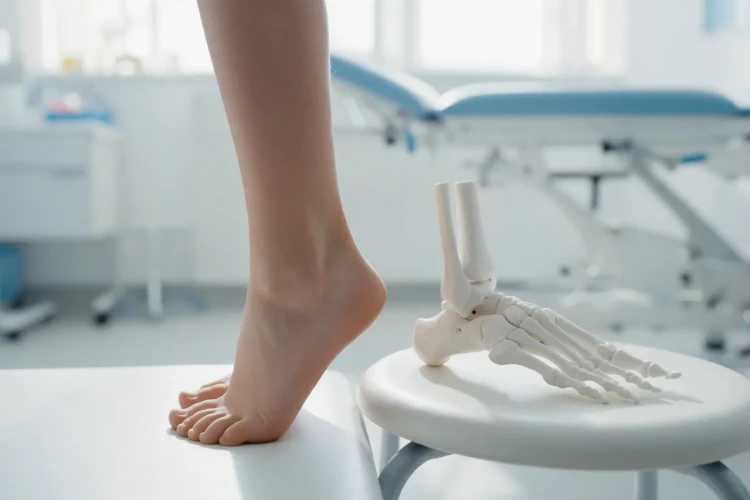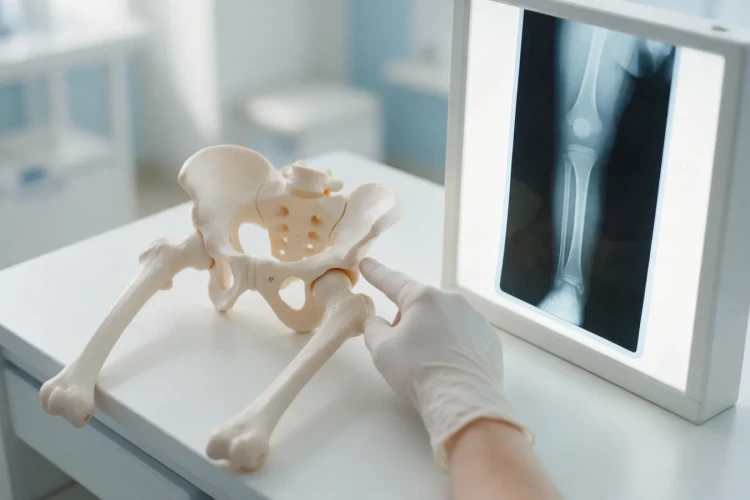
Congenital Femoral Deficiency: Diagnosis, Types and Reconstruction
Congenital femoral deficiency means the thigh bone is short or partly missing from birth. We explain how it is diagnosed, why…
Read MoreOrthopaedic and Trauma Surgeon
Individual assessment and surgical planning for limb lengthening, the Ilizarov method, deformity correction, nonunion and paediatric orthopaedics.
Personalized surgical planning with up-to-date, evidence-based methods.
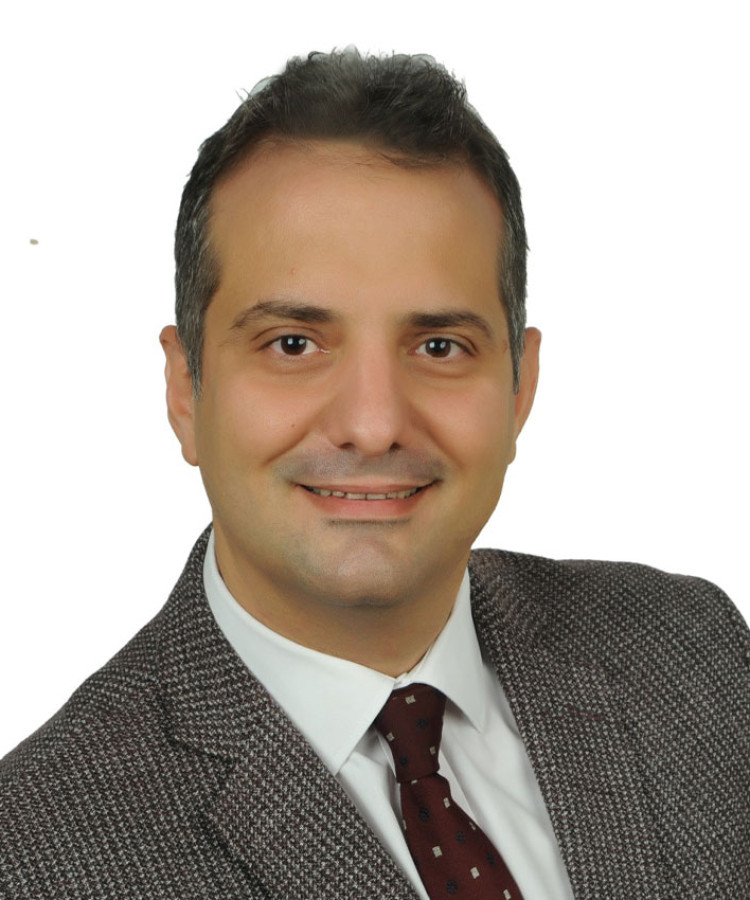
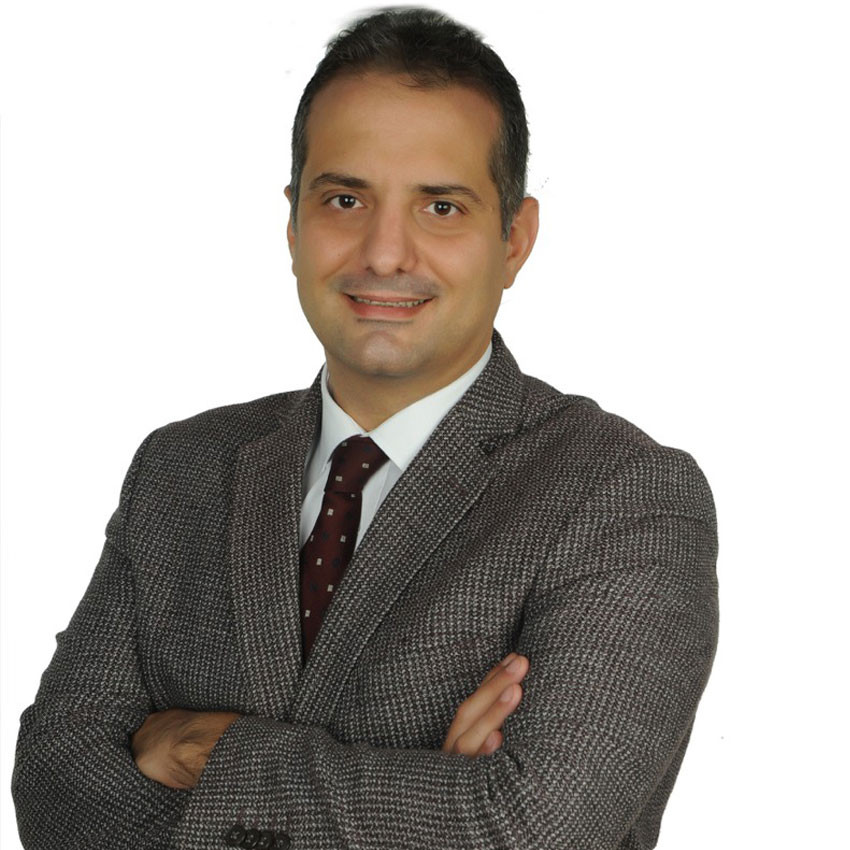
A graduate of Galatasaray High School and Marmara University School of Medicine, he completed his orthopaedics and traumatology residency at Istanbul Faculty of Medicine.
He works in deformity surgery, limb lengthening, Ilizarov techniques and paediatric orthopaedics, with more than 50 international publications and an international book he edited in these fields.
From childhood deformities to joint replacement, limb lengthening to non-union treatment.
View AllCongenital femoral deficiency means the thigh bone is short or partly missing from birth. We explain how it is diagnosed, why…
Read MoreTarsal coalition is an abnormal connection between foot bones present from birth, often noticed in adolescence through recurrent…
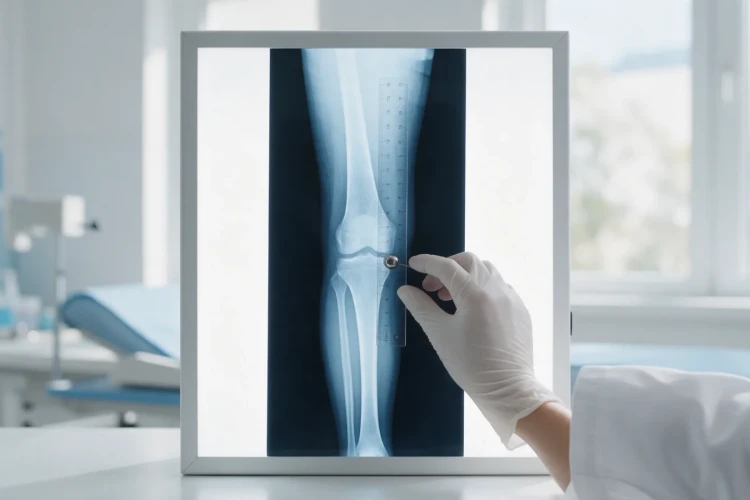
Read MoreLeg length difference and alignment are measured in detail on a standing full-length leg X-ray. We explain the long-leg X-ray and…
Read MoreShort answers to the questions we hear most about consultations, treatment and appointments.
His main fields are limb lengthening, the Ilizarov method and external fixation, congenital and acquired bone deformities, nonunion, malunion and paediatric orthopaedics. He works on these topics both clinically and academically as a faculty member at Istanbul Faculty of Medicine.
Bring CDs or digital copies of previous X-ray, MRI and CT scans, reports, any operation notes and discharge summaries, and a list of your current medication. For children, earlier X-rays used to follow growth are also useful.
Limb lengthening is considered for leg length discrepancy, skeletal dysplasias, bone loss after trauma or infection, and some deformities. Whether it suits a particular person depends on age, bone quality, general health and expectations, assessed together through examination and imaging.
The Ilizarov method uses a circular external frame attached to the bone with wires or pins to lengthen, straighten or heal bone in a controlled way. It is used for lengthening, deformity correction, bone loss and nonunion, and may be combined with internal nail systems in some cases.
Once the cause of the nonunion is identified (blood supply, stability, infection or metabolic factors), options such as revising the fixation, bone grafting, external fixation or the Ilizarov method are considered. The approach depends on the fracture site, previous treatment and the person's overall health.
Some bowing or knock-knees can be a normal part of growth in young children. An orthopaedic assessment is advisable if the curve is on one side only, gets worse with age, comes with pain or limping, or if short stature is noticed.
Yes. If you have been advised to have surgery or are in the middle of treatment, you can book a consultation and bring your current imaging and reports for a second opinion.
Consultations can be held in Turkish, English and French. To book, fill in the appointment form on this website or call the numbers on the contact page.
Prof. Dr. Halil İbrahim Balcı is a faculty member in the Department of Orthopaedics and Traumatology at Istanbul University Istanbul Faculty of Medicine (Çapa). For the current consultation location and appointments, please use the phone numbers on the contact page or the appointment form.
Contribution to science through articles published in international journals and book editorships.
Book an appointment for examination or second opinion. Reach out with any questions.