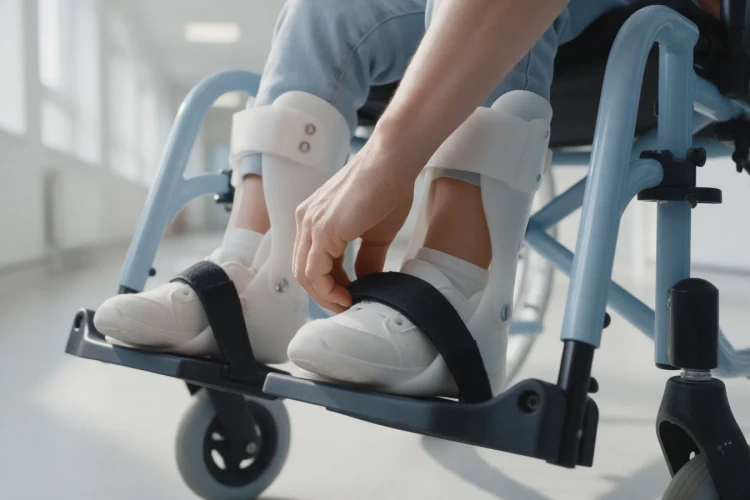
Spina Bifida Orthopaedics: Foot, Hip and Knee Problems Explained
In spina bifida, foot, hip, knee and spine problems depend largely on the neurological level. We explain why regular orthopaedic follow-up…
Read MoreIn spina bifida, foot, hip, knee and spine problems depend largely on the neurological level. We explain why regular orthopaedic follow-up…
Read MoreArthrogryposis means stiffness in several joints from birth, caused by reduced movement in the womb. We explain its types, diagnosis and…
Read MoreIn cerebral palsy the brain injury does not progress, but muscle and bone problems can develop with growth. We explain hip displacement…
Read MoreCoxa vara is a reduced angle between the neck and shaft of the thighbone, which can cause a limp and a leg length difference in children…
Read MoreSlipped capital femoral epiphysis affects the hip growth plate in teenagers and sometimes shows up only as knee pain. Symptoms, diagnosis…
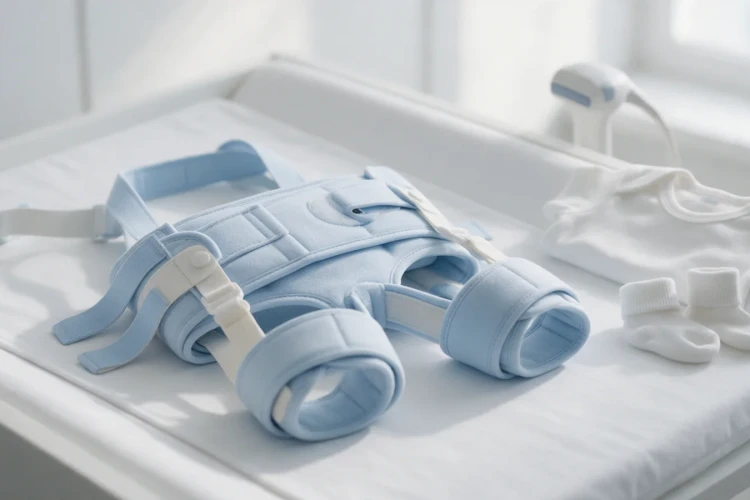
Read MoreWhen is infant hip ultrasound done for developmental dysplasia of the hip, how are the results read, how does the Pavlik harness work and…
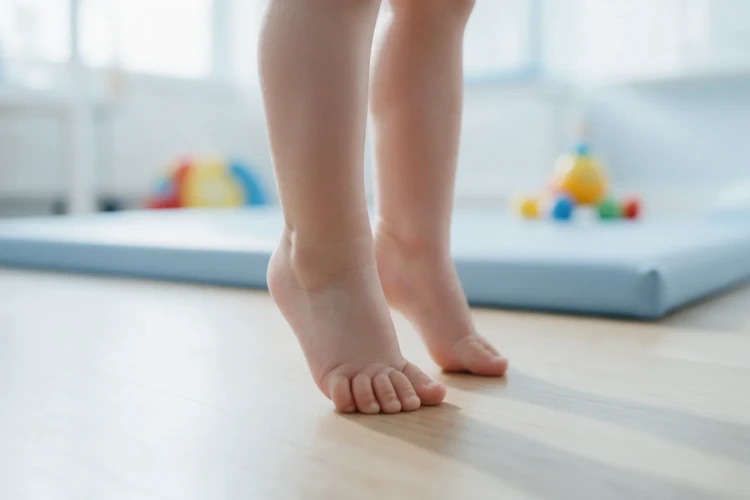
Read MoreToe walking is common in toddlers who are just learning to walk. How long it is considered normal, possible causes, what the doctor checks…
Read MoreWhat should you watch for in your child's walking, leg alignment, feet and spine before school starts? We bring together normal findings by…
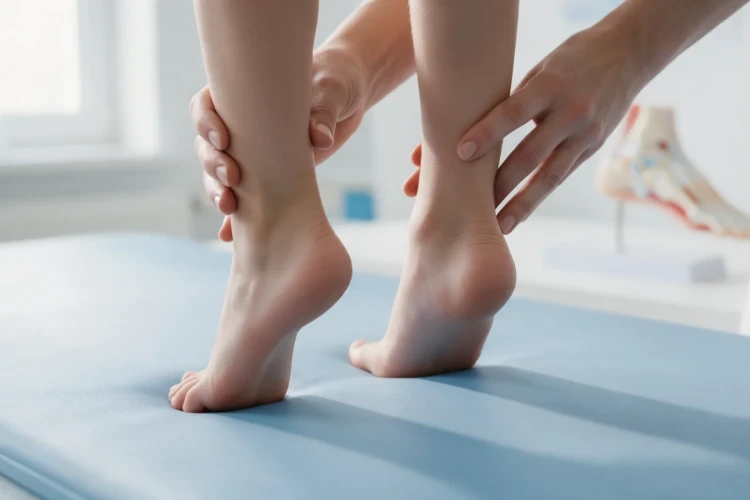
Read MoreFlat feet in children are usually a normal stage of development. The difference between flexible and rigid flat feet, a simple tiptoe test…
Read MoreOsteogenesis imperfecta, or brittle bone disease, makes bones break easily. Learn about its signs, types and diagnosis, and how fractures…
Read More