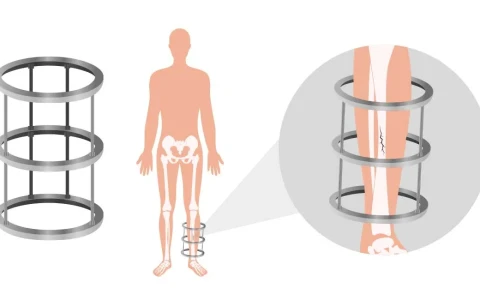
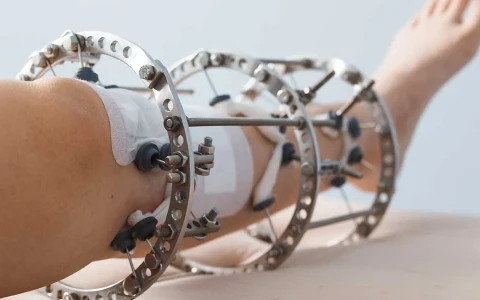
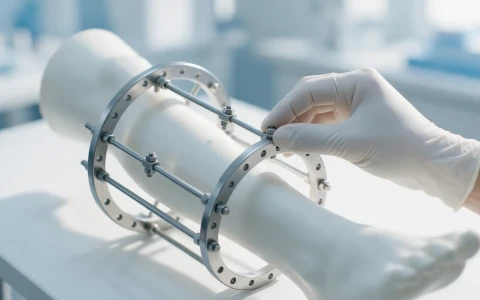
The Ilizarov apparatus is a method used in the correction of various bone deformities. This article comprehensively discusses the factors affecting the outcomes of deformity surgery using the Ilizarov method, its areas of application, and key considerations during the treatment process.
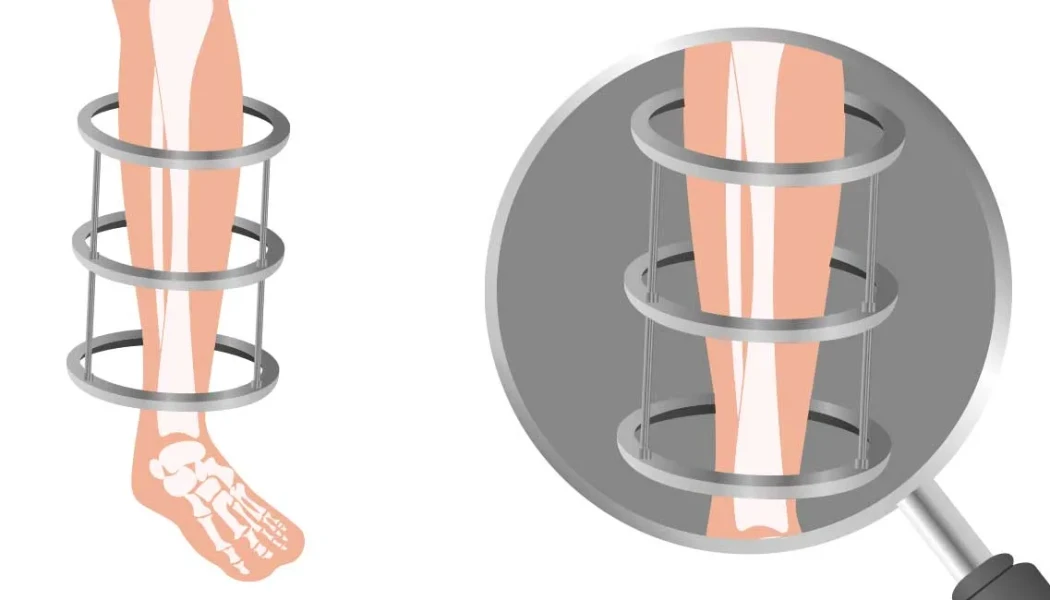
Deformity surgery is performed with the goal of correcting bone and joint deformities, restoring function loss, and improving patients' quality of life. One of the techniques used in this field is the Ilizarov apparatus, which can be a suitable treatment option for both pediatric and adult patients in appropriate cases. The Ilizarov method is especially common for correcting complex bone deformities, treating non-union problems, limb lengthening, and limb reconstruction.
The Ilizarov device is defined as a circular external fixator designed to gradually and controllably distract or realign bones. Its primary principle is to stimulate new bone tissue growth when the bone is subjected to tensile force. This mechanism enables the correction of bone deformities as well as bone lengthening procedures.
Outcomes of the Ilizarov method vary from person to person depending on several factors. Key determinants of outcomes include the patient’s age, type and severity of deformity, treatment protocol applied, surgical expertise, and patient compliance. The literature reports favorable outcomes particularly in appropriately indicated cases with properly executed techniques; however, each patient’s situation is different.
Regarding types of deformities, common examples include angular bone deformities, limb shortening, non-union (failure of bone healing), and deformities following bone infections. The Ilizarov apparatus mechanically stabilizes bone segments in these situations while allowing correction without damaging surrounding soft tissues. For example, circular fixators are preferred in the correction of axial deformities like varus and valgus, as they may help reduce complications.
Another important factor influencing success is the treatment process itself. Ilizarov therapy typically requires a lengthy period during which patients must be monitored carefully. Preventing infections, maintaining hygiene around the fixator, and regular radiological assessments are essential to achieving favorable outcomes. Meticulous surgical planning and thorough patient education about the treatment journey increase patient motivation and help prevent potential complications.
Advancements in surgical techniques and device modifications have positively influenced the treatment process. Today, computer-assisted planning, 3D imaging technologies, and customized device designs allow more precise deformity corrections. These technological improvements are crucial for reducing treatment duration, lowering complication risks, and enhancing patient comfort.
In deformity surgery, the Ilizarov method is also one of the commonly used techniques in treating non-union cases. Clinical studies have reported favorable healing outcomes in suitable patients, which may help reduce the need for repeat surgeries and support functional recovery. Moreover, in correcting deformities after bone infections and managing soft tissue problems, the Ilizarov device provides both mechanical support and promotes the healing of surrounding tissues.
Finally, the Ilizarov apparatus is frequently used for limb lengthening for both cosmetic and functional purposes. Limb lengthening surgeries may contribute positively to quality of life in suitable patients. These operations require expertise and experience; proper patient selection and a multidisciplinary approach positively influence outcomes, although results vary from person to person.
In summary, the Ilizarov method is a widely used, well-established technique in orthopedic deformity surgery. Treatment outcomes vary from person to person and depend on its wide applicability in various deformities, surgical experience, and the careful management of the treatment process. For patients facing recurrent deformities, non-unions, and functional problems, the Ilizarov device offers a comprehensive treatment alternative.
Frequently Asked Questions
The Ilizarov method is preferred in axial deformities (such as varus and valgus), non-union, limb shortening, bone curvatures, and deformities caused by infections. It is especially effective for complex and recurrent deformities requiring reoperation.
Patients should maintain hygiene around the fixator, promptly report any signs of infection to their physician, attend regular check-ups diligently, and actively participate in their treatment. These measures reduce complications and increase the likelihood of success.
Yes, limb lengthening performed by experienced surgeons with careful patient selection and detailed planning is safe. Although the treatment process is lengthy and requires patience, it achieves highly successful outcomes.
Common complications include infection, nerve or vascular injury, joint stiffness, and mechanical issues related to the device. However, with proper care and regular monitoring, most of these complications can be prevented or effectively managed.
This article is for general information only and does not replace a medical examination, diagnosis or treatment. Treatment options and outcomes vary from person to person.
Related treatment area Limb Lengthening Surgery: Methods, Process, Risks and Suitability