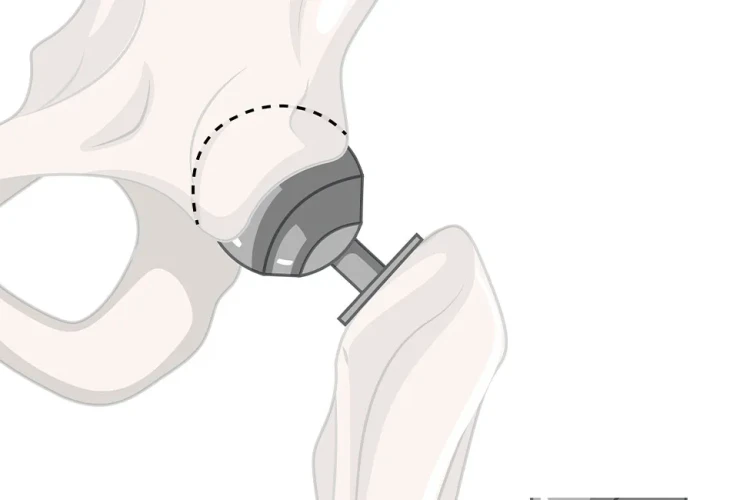
Hip Replacement Revision Surgery: Reasons and Procedure
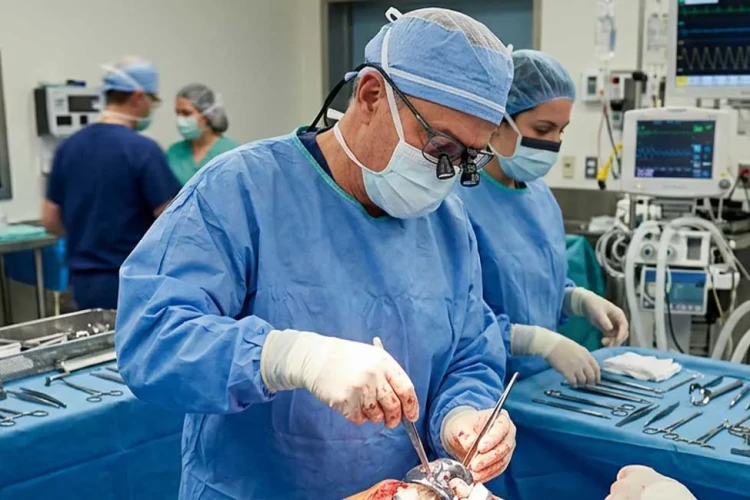
Hip revision surgery is an extensive procedure performed when the existing implant becomes loose, worn, or infected.
Read MoreArticles on limb lengthening, the Ilizarov method, deformity, nonunion, paediatric orthopaedics and sports injuries.
Hip revision surgery is an extensive procedure performed when the existing implant becomes loose, worn, or infected.
Read MoreSigns of incorrect femur healing include leg shortening, outward or inward twisting, and gait abnormalities.
Read MoreLimb lengthening surgery risks can include serious complications such as infection, nerve damage, and nonunion of the bone.
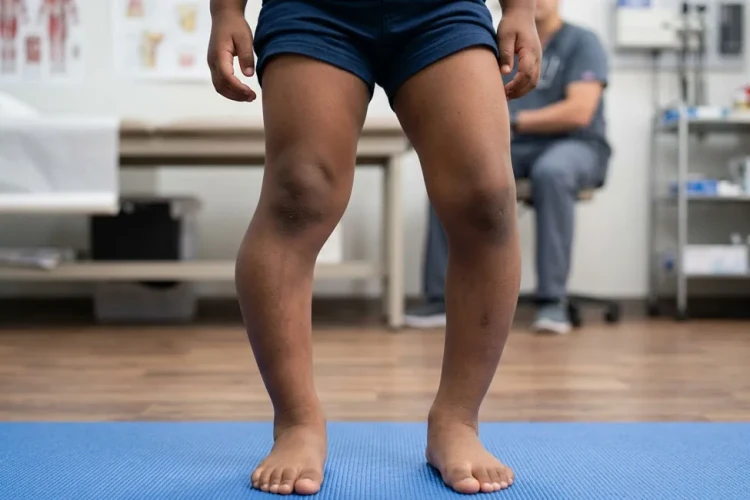
Read MoreBlount disease is a pathological bowing of the leg caused by a growth disorder in the tibial growth plate in children.
Read MoreLeg bowing in children is usually a natural part of growth and tends to correct itself over time.
Read MoreTibial torsion is an orthopedic condition common in children, caused by the twisting of the shinbone around its own axis.
Read MoreDeformity surgery is an advanced orthopedic procedure aimed at analyzing congenital or acquired bone curvatures to restore the anatomical…
Read MoreJoint reconstruction aims to restore joint integrity in complex cases where standard prosthetic surgery is insufficient.
Read MoreTreatment of leg length discrepancy is personalized based on the patient's age, degree of shortening, and functional expectations.
Read MoreBook an appointment for examination or second opinion. Reach out with any questions.