
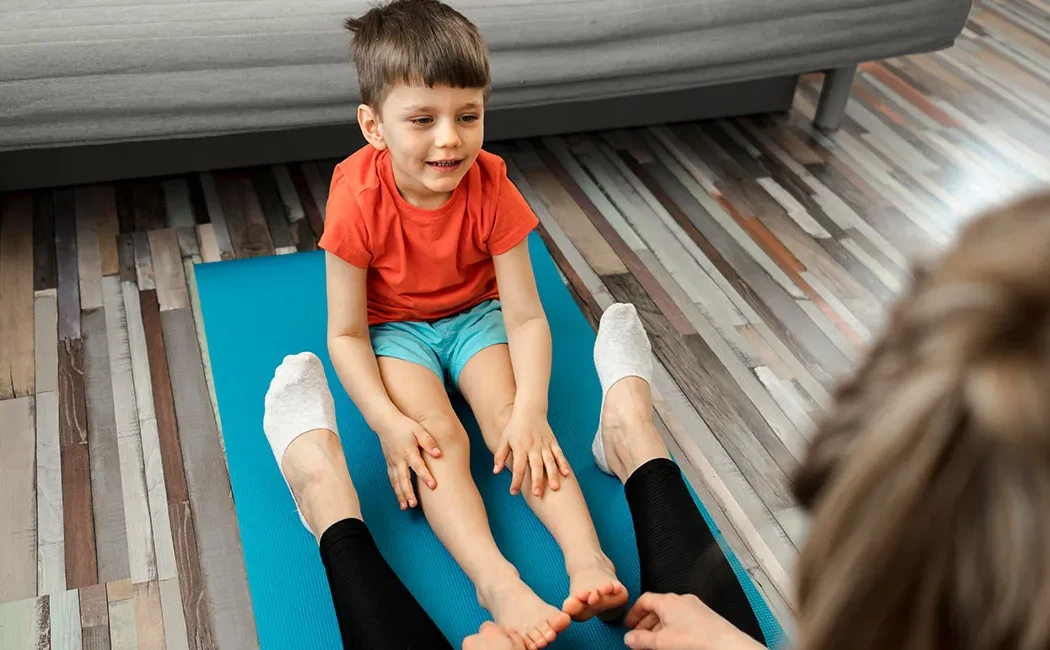
Changes occurring in the musculoskeletal system during a child’s growth and development are important concerns that parents should carefully monitor. Leg deformities, gait abnormalities, and posture issues are key topics examined within the field of pediatric orthopedics deformity. Some of these deformities are part of normal physiological development and tend to resolve spontaneously, while others may have pathological origins and require professional intervention.
This comprehensive guide covers the common conditions of knock knees (genu valgum) and bowlegs (genu varum) seen in children, discussing their causes, diagnostic procedures, and current treatment methods. It clarifies when parents should be concerned and when to seek specialist advice, based on scientific evidence. Early diagnosis and appropriate treatment planning are vital to ensure that the child maintains healthy joint structures in later stages of life.
What Is Pediatric Orthopedics?
Pediatric orthopedics is a medical specialty that addresses musculoskeletal and joint problems in individuals from the newborn period through to the end of adolescence. This field encompasses a broad range of conditions, including congenital anomalies, traumatic injuries, infections, and neuromuscular disorders. Children's bones are constantly growing and remodeling, which means treatments aim to preserve and guide this growth potential.
The primary goal of pediatric orthopedics is to maximize the child's functional capacity and improve quality of life. Subspecialties such as deformity correction and limb reconstruction require expertise in correcting complex bone alignments. For more information, you may explore our article on common pediatric deformities and the importance of early intervention.
Leg Deformities: What Are Knock Knees and Bowlegs?
Leg deformities refer to angular misalignments around the knee joint of the lower limbs. These conditions are typically described based on the relative position of the knees and ankles. Knock knees and bowlegs are the most frequently encountered angular deformities in childhood and can be considered normal within specific age periods. However, deformities beyond physiological limits may indicate underlying metabolic bone diseases or developmental problems.
Further treatment details are available on our page about bowleg and knock knee treatments. Additionally, foot problems can sometimes accompany leg deformities; for integrated management, see Pes Equinovarus (Clubfoot) treatment.
Knock Knees (Genu Valgum)
Knock knees describe a condition where, when standing, the child’s knees touch each other but the ankles remain apart. This is medically termed "Genu Valgum." It typically becomes noticeable around ages 3-4 and often corrects naturally by ages 7-8. Persistent knock knees during adolescence or cases related to obesity may place excessive strain on the outside of the knee joint, potentially increasing the risk of arthritis in later life.
Bowlegs (Genu Varum)
Bowlegs occur when the ankles touch but the knees remain wide apart, commonly called "Genu Varum." Mild bowlegs are normal in infants due to intrauterine positioning and usually improve by the time walking begins, approximately 18-24 months of age. If the curvature worsens beyond age two or is unilateral, pathological conditions such as Blount’s disease or rickets should be investigated.
When Are Leg Curvatures Normal in Children?
The development of leg alignment in children is a dynamic process. Most children pass through stages called "physiological developmental phases." At birth, a slight bowleg (varus) alignment is present, which typically normalizes around 1.5-2 years. This is followed by a mild knock knee (valgus) alignment at ages 3-4, and finally settles into the adult-type slight valgus alignment by about age 7. Understanding this natural progression helps avoid unnecessary concern or interventions.
For more on this topic and deviations from normal, visit our page on childhood lower limb deformities.
Diagnostic Process and Specialist Assessment
Diagnosis begins with a detailed physical exam and medical history. The physician evaluates the child's gait, joint mobility, and leg length discrepancy. Among the most crucial tools for diagnosing pediatric orthopedics deformity are long-leg standing X-rays (orthoradiograms), which allow precise measurement of mechanical alignment from hip to ankle.
Blood tests may be ordered to exclude vitamin D deficiency, calcium metabolism disorders, or other metabolic bone diseases. Advanced imaging techniques (MRI or CT) are used selectively to assess joint pathology or bone quality.
Treatment Methods
Treatment depends on the deformity type, severity, the child’s age, and underlying cause. The fundamental principle is to achieve the best outcome with the least invasive method. Treatment options are broadly divided into non-surgical (conservative) and surgical approaches.
Non-Surgical Methods
For mild and physiologically normal deformities, "observation and monitoring" is the most common approach. Regular follow-up allows tracking of spontaneous improvement. Medical treatment with vitamins and supplements is prioritized for metabolic causes like rickets. In certain cases, particularly early stages of Blount’s disease, specially designed orthoses or braces might be applied. Physical therapy and targeted exercises support muscle balance but do not directly correct bone deformities.
Surgical Intervention
Surgical treatment is considered for deformities exceeding physiological limits, progressive changes, or those causing functional impairment. A commonly used modern technique in pediatric orthopedics is "guided growth" (hemiepiphysiodesis). This procedure temporarily slows growth on one side of the growth plate, allowing the opposite side to grow normally and gradually correct the deformity. In older children or after skeletal maturity, bone realignment surgeries called "osteotomies" may be performed.
For more details on surgical options, see our pages on lower limb deformity surgery and congenital deformities and surgical solutions. Limb length discrepancy may sometimes require bone lengthening surgery. Rarely, revision surgery for malunion correction is necessary.
What Happens If Left Untreated? Long-Term Risks
Untreated significant leg deformities are not merely cosmetic concerns; they disrupt biomechanical balance and can affect the entire skeletal system. Uneven load distribution on the knee joint predisposes to early osteoarthritis, meniscal tears, and ligament injuries. Gait abnormalities may also negatively impact spinal health.
For insight into complication risks, review our content on nonunion surgery and rare pediatric bone diseases and treatments. Early intervention remains the most effective way to reduce these long-term risks.
Recommendations for Parents and Preventive Measures
Parents should carefully observe their child’s physical development. A balanced diet rich in calcium and adequate vitamin D intake are essential for healthy bone growth. Encouraging age-appropriate physical activity strengthens muscles and the musculoskeletal system. Use of walkers or devices that impede natural walking development is generally discouraged. If you notice asymmetry in your child’s legs, limping, or frequent falls, consult a pediatric orthopedic specialist promptly.
The content, images, and information provided on this website are for general informational purposes only and do not constitute professional medical advice, diagnosis, or treatment. Always consult your physician or a qualified healthcare professional regarding any health concerns you may have. Do not delay seeking medical care or disregard professional medical advice based on the information presented on this site. Although the information is prepared based on current scientific literature and clinical experience, each patient's condition is unique and requires individual assessment for treatment planning.