
Deformity surgery is performed with the goal of correcting bone and joint deformities, restoring function loss, and improving patients' quality of life. One of the techniques used in this field is the Ilizarov apparatus, which serves as a highly effective treatment option for both pediatric and adult patients. The Ilizarov method is especially common for correcting complex bone deformities, treating non-union problems, limb lengthening, and limb reconstruction.
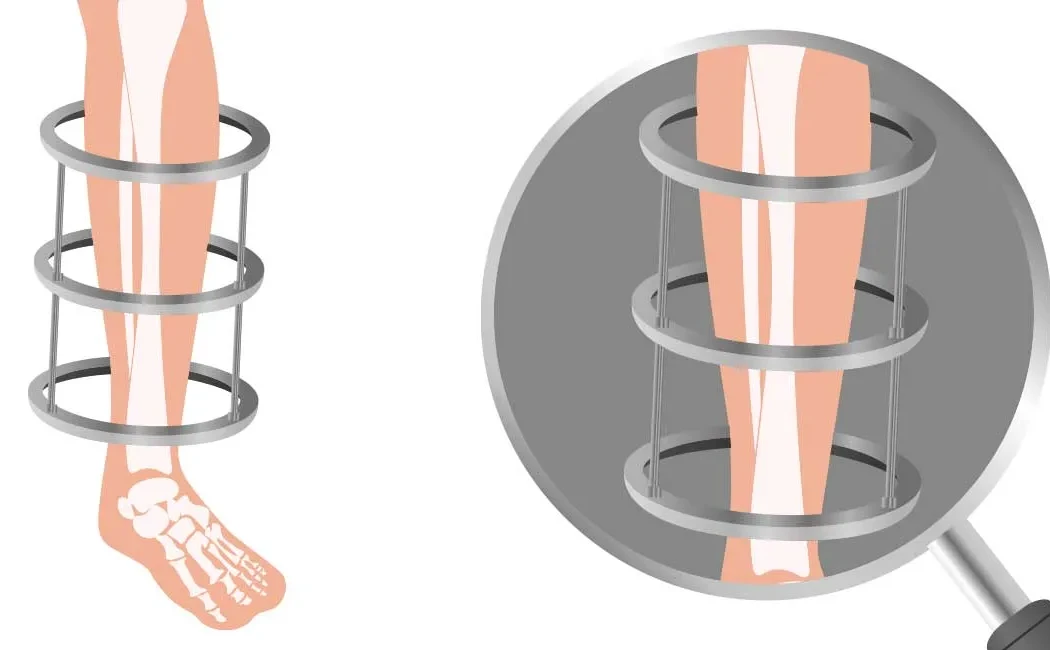
The Ilizarov device is defined as a circular external fixator designed to gradually and controllably distract or realign bones. Its primary principle is to stimulate new bone tissue growth when the bone is subjected to tensile force. This mechanism enables successful correction of bone deformities as well as bone lengthening procedures.
Success rates of the Ilizarov method vary depending on several factors. Key determinants of successful outcomes include the patient’s age, type and severity of deformity, treatment protocol applied, surgical expertise, and patient compliance. Literature generally reports success rates of deformity correction with the Ilizarov method to be between 80% and 95%. These high rates are observed particularly in appropriately indicated cases with properly executed techniques.
Regarding types of deformities, common examples include angular bone deformities, limb shortening, non-union (failure of bone healing), and deformities following bone infections. The Ilizarov apparatus mechanically stabilizes bone segments in these situations while allowing correction without damaging surrounding soft tissues. For example, circular fixators have greatly reduced complications and gained preference in the correction of axial deformities like varus and valgus.
Another important factor influencing success is the treatment process itself. Ilizarov therapy typically requires a lengthy period during which patients must be monitored carefully. Preventing infections, maintaining hygiene around the fixator, and regular radiological assessments are essential to achieving favorable outcomes. Meticulous surgical planning and thorough patient education about the treatment journey increase patient motivation and help prevent potential complications.
Advancements in surgical techniques and device modifications have positively impacted success rates. Today, computer-assisted planning, 3D imaging technologies, and customized device designs allow more precise deformity corrections. These technological improvements are crucial for reducing treatment duration, lowering complication risks, and enhancing patient comfort.
In deformity surgery, the Ilizarov method is also well known for its high success in treating non-union cases. Clinical studies have shown healing rates of 85% to 90% for non-union bones with this technique, reducing the need for repeat surgeries and accelerating functional recovery. Moreover, in correcting deformities after bone infections and managing soft tissue problems, the Ilizarov device provides both mechanical support and promotes the healing of surrounding tissues.
Finally, the Ilizarov apparatus is frequently used for limb lengthening for both cosmetic and functional purposes. Limb lengthening surgeries yield significant improvements in patients’ quality of life. These operations require expertise and experience; however, with proper patient selection and a multidisciplinary approach, high success rates are achievable.
In summary, the Ilizarov method is a highly effective and reliable technique in orthopedic deformity surgery. Its high success rates depend on wide applicability in various deformities, surgical experience, and the careful management of the treatment process. For patients facing recurrent deformities, non-unions, and functional problems, the Ilizarov device offers a comprehensive treatment alternative.