
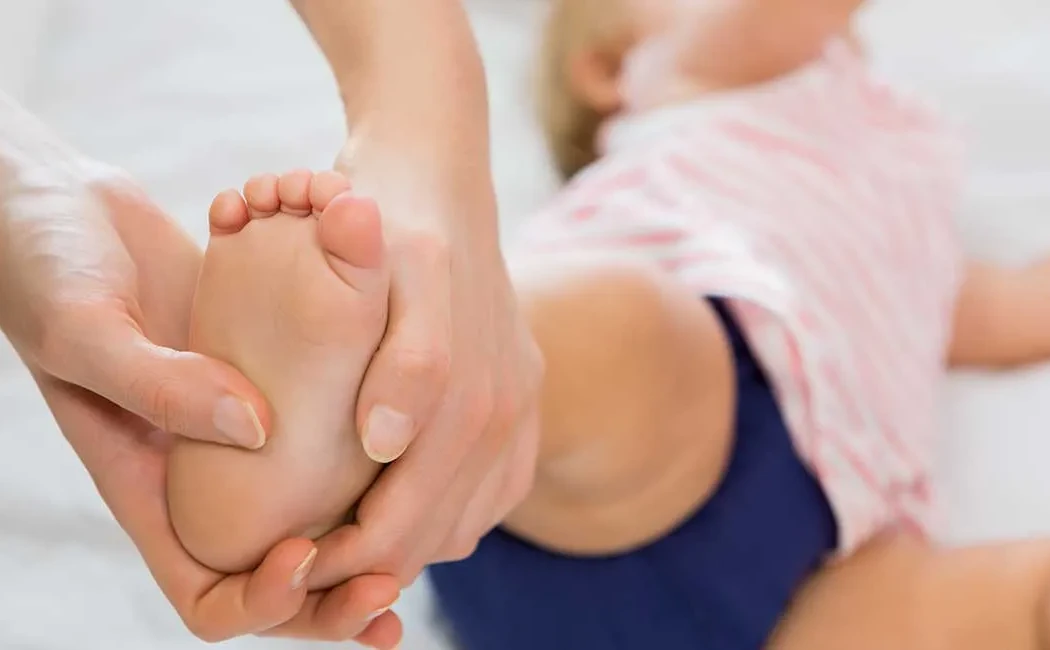
Children's musculoskeletal system is in a constant state of growth and change. This dynamic nature demands a completely different approach to pediatric orthopedic conditions compared to adults. It is natural for families to have concerns about their child's physical development. Especially when congenital deformities or acquired orthopedic issues present, early and accurate diagnosis and treatment can positively influence the child’s long-term quality of life.
This guide is designed to provide parents with scientifically sound and reliable information about common pediatric orthopedic diseases, symptoms, and modern treatment methods. The information is intended for general guidance only and does not replace a thorough medical evaluation. Each child’s developmental process is unique, and treatment plans must be individualized.
What Is Pediatric Orthopedics?
Pediatric orthopedics is the medical specialty focused on diagnosing and treating musculoskeletal disorders in children from the newborn period through adolescence. Because children’s bones, joints, and muscles are continuously growing, these conditions behave differently than in adults. For example, fractures or deformities in children involve growth plates, which affect healing potential and risks differently.
The scope of pediatric orthopedics is vast. It includes congenital limb deficiencies, gait abnormalities, bone infections, and deformities related to neuromuscular diseases. The aim extends beyond correcting the current issue to preserving the child’s growth potential and ensuring functional mobility.
Common Orthopedic Conditions in Children
Orthopedic problems in childhood may be identified at birth or emerge during growth spurts. Awareness among families about the most frequently occurring conditions and their signs increases opportunities for early intervention. More detailed information is available on our page common deformities in pediatric orthopedics.
Developmental Hip Dysplasia
Also known as "hip dislocation," Developmental Hip Dysplasia (DHD) refers to improper formation of the hip joint. If undiagnosed early, it can result in permanent disability. It is easily detected through ultrasound screening in the neonatal period. Treatment varies with the age at diagnosis; early stages may be managed with simple harnesses, while delayed cases might require surgery. For more on treatment options, see developmental hip dysplasia treatment in children.
Scoliosis and Spinal Curvatures
Scoliosis is characterized by lateral curvature of the spine, often becoming evident during the rapid growth phase of adolescence. It may present with uneven shoulder levels or a visible rib hump on one side of the back. Mild curvatures can be managed with bracing and exercises when detected early; severe cases might necessitate surgery. Detailed information can be found on our page scoliosis treatment in children.
Flatfoot and Foot Deformities
Flatfoot (lack of foot arch) or in-toeing is common in children and often physiologic, resolving naturally as the child grows. However, painful rigid flatfoot or congenital deformities like clubfoot (pes equinovarus) require evaluation by an orthopedic specialist and may need treatment.
Congenital Deformities and Diagnostic Process
Congenital deformities are structural anomalies present at birth, originating during fetal development. They may result from genetic factors, environmental causes, or unknown reasons. These conditions, covered under pediatric rare deformities, include complex forms such as fibular hemimelia (partial absence of the fibula), tibial hemimelia, and congenital femoral deficiency.
Diagnosis involves thorough physical examination and radiologic imaging. Early detection is critical to prevent progression and to determine the optimal timing for treatment. Proper family education on congenital deformities and surgical options improves treatment adherence and outcomes.
Upper and Lower Limb Deformities
Limb deformities can affect a child’s mobility and daily activities. Lower limb deformities in children include bowlegs (genu varum), knock-knees (genu valgum), limb length discrepancies, and rotational abnormalities. These conditions disrupt normal gait mechanics by unevenly distributing load on joints.
Upper limb deformities often involve the elbow, forearm, and wrist. Malunion after trauma or congenital bone fusions (synostoses) can limit mobility. In such cases, upper limb deformity correction surgery aims to restore function.
Treatment Approaches: Surgical and Non-Surgical Options
Treatment in pediatric orthopedics adheres to the principle of "do no harm," prioritizing non-surgical options whenever possible. Nonetheless, progressive deformities or insufficient responses to conservative measures may necessitate surgery.
Physical Therapy and Orthotic Devices
Mild curvatures, muscle weakness, or specific gait disorders may be managed with physical therapy, stretching exercises, and custom orthotics. For instance, Pavlik harness in developmental hip dysplasia or bracing in scoliosis can promote healing without surgery.
Surgical Interventions and Planning
Surgical treatments aim to correct deformities, lengthen limbs, or stabilize joints. Lower limb deformity surgery often involves osteotomies (bone cuts) to realign the bone. Limb length discrepancies may be addressed through bone lengthening procedures using Ilizarov devices or magnetically controlled nails.
In cases of malunion after fractures, corrective osteotomy surgery may be required. Rarely, nonunion cases might need nonunion surgical treatment to restore bone continuity. All surgeries are meticulously planned to avoid damaging growth plates.
Signs of Orthopedic Issues in Children
Parental observation is one of the most valuable diagnostic tools. If your child exhibits any of the following signs, consultation with a specialist is advised:
- Limping or abnormal gait
- Persistent or activity-related joint pain
- Visible asymmetry in limb length or thickness
- Unequal shoulder or hip heights
- Bone pain disturbing sleep
- Joint swelling, redness, or restricted movement
Preventive Tips for Families
Maintaining bone health through a balanced diet and appropriate physical activity is essential. Nutrition rich in calcium and vitamin D supports bone development. Encouraging age-appropriate sports strengthens the musculoskeletal system. Excess weight adds stress to growing joints, increasing the risk of deformity; therefore, maintaining a healthy weight is important.
This website content is intended to provide information about pediatric orthopedic conditions and is not medical advice. The information provided cannot replace professional medical examination, diagnosis, or treatment. If you have any concerns or questions about your child’s health, please consult a healthcare professional without delay. Treatment outcomes may vary between patients.