
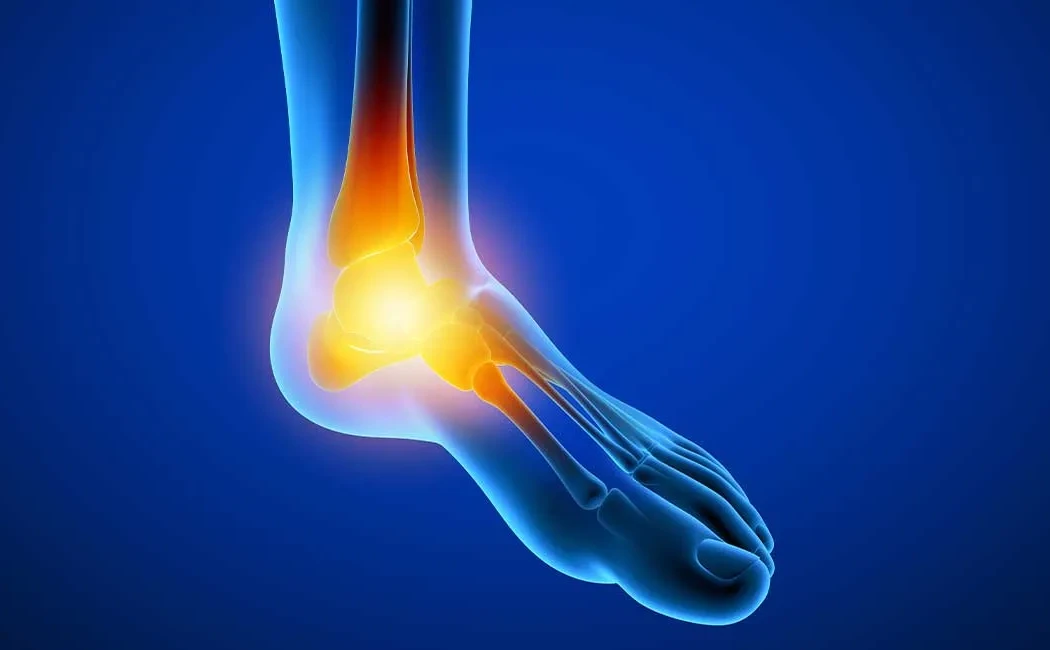
The majority of bone fractures heal naturally over time with appropriate treatment, regaining their former strength. However, in some cases, biological or mechanical factors may interrupt this healing process, preventing the bone ends from uniting. Medically termed “nonunion,” this condition can severely impact patients’ quality of life due to persistent pain and loss of function. Nonunion surgery is the primary treatment approach in managing this pathological condition and restoring bone continuity.
When fracture healing does not proceed as expected, simple stabilization may not suffice. At this stage, surgical interventions aimed at stimulating bone biology and enhancing mechanical stability come into play. Particularly in cases where pseudarthrosis develops, a multidisciplinary evaluation and individualized surgical planning are essential.
What is Nonunion?
Nonunion refers to the cessation of the bone healing process, whereby the fractured bone ends biologically lose the potential to unite. This diagnosis is typically made if complete healing does not occur within 6 to 9 months post-injury and no radiological progress is observed in the last 3 months.
This differs from delayed union, where healing is slow but ongoing. In nonunion, healing is unlikely without intervention.
Causes and Risk Factors of Pseudarthrosis
The causes of nonunion usually involve a combination of biological and mechanical factors. Common reasons include impaired blood supply to the fracture site, presence of infection, or insufficient stabilization of fracture fragments (instability).
Patient-related risk factors involve advanced age, smoking, diabetes, nutritional deficiencies, and certain metabolic disorders. Surgical errors or inadequate fixation during the initial treatment may also negatively influence healing. Addressing nonunion complications in limb reconstruction, including infection management, may require specialized approaches.
Due to the severity of complications, nonunion and its surgical treatment in femoral fractures often necessitate more aggressive stabilization techniques compared to other bones.
Diagnostic Process: How Is It Detected?
Diagnosis begins with a thorough physical examination and a detailed patient history. Patients commonly present with ongoing pain at the fracture site, abnormal movement, and inability to bear weight.
Radiologic imaging is fundamental to confirm the diagnosis. Standard X-rays show the condition of the fracture line and whether fixation failure exists. For more detailed evaluation, CT scans provide three-dimensional views of bone structure. In cases suspicious for infection or to assess vascularity, MRI or bone scintigraphy may be employed.
Treatment Methods in Nonunion Surgery
Nonunion surgery fundamentally aims to solve two problems: to stimulate biological healing and to ensure mechanical stability. The treatment plan depends on the specific type of nonunion (atrophic, oligotrophic, or hypertrophic). More detailed information on nonunion surgery can help manage patient expectations.
In cases where nonunion occurs with deformity, combined approaches including malunion surgery and related treatments may be necessary.
Typically, treatment strategies involve a combination of biological and mechanical approaches. The balance between these methods is key to success, as explained in biomechanical treatment approaches in nonunion. In cases with accompanying leg deformities or shortening, lower limb deformity surgery techniques are incorporated into the treatment plan.
Biological Approaches: Grafts and Growth Factors
Biological treatments aim to enhance the body's natural healing potential. These methods are particularly critical in atrophic nonunions, where blood supply is limited. The most common biological treatment is bone grafting, as detailed in latest biological nonunion treatment methods.
Bone tissue harvested from the patient’s pelvis (autograft) or obtained from a bone bank (allograft) is placed at the fracture site to bridge the gap. Bone marrow aspirates and growth factors may also be used to stimulate osteogenesis (new bone formation).
Mechanical Approaches: Plates, Nails, and Ilizarov Method
Mechanical treatments immobilize the bone ends to provide a stable environment for callus formation. The use of plates and nails, foundational internal fixation techniques, is detailed in techniques for plates and nails in nonunion surgery. After debridement of the fracture site, rigid fixation is achieved through plate-screw systems or intramedullary nails.
In cases of infection or complex bone loss, external fixators, particularly the Ilizarov method, are preferred. The Ilizarov technique offers stability and enables bone transport to fill defects.
Surgical Procedure and Techniques Applied
The surgery begins with the removal of existing implants, debridement of necrotic tissue in the fracture line, and exposure of well-vascularized bone ends. The chosen method (plate, nail, or external fixator) is then applied to stabilize the bone, with grafting added if necessary.
If nonunion has caused limb length discrepancy, bone lengthening combined with nonunion surgery can be performed simultaneously. Similarly, upper extremity lengthening and deformity correction surgery techniques may be used to both unite the bone and restore anatomical alignment.
Recovery Process and Follow-Up
Postoperative recovery varies from several months to up to a year, depending on the method used and the patient’s biological capacity. Smoking cessation and nutritional support are critical in this period.
Physical therapy and rehabilitation start early after surgery to maintain joint mobility and regain muscle strength. Radiologic follow-up monitors progress of bone healing and guides when full weight-bearing is advisable.
Patience and strict adherence to medical recommendations during this period are crucial factors that enhance the success of treatment.
The information provided herein is for general informational purposes only and does not constitute medical advice. It is not a substitute for individualized diagnosis, treatment, or consultation. Diagnosis and treatment plans should be made exclusively following an in-person examination by a qualified healthcare professional. Because each patient's clinical condition is unique, surgical and non-surgical interventions may vary accordingly.