
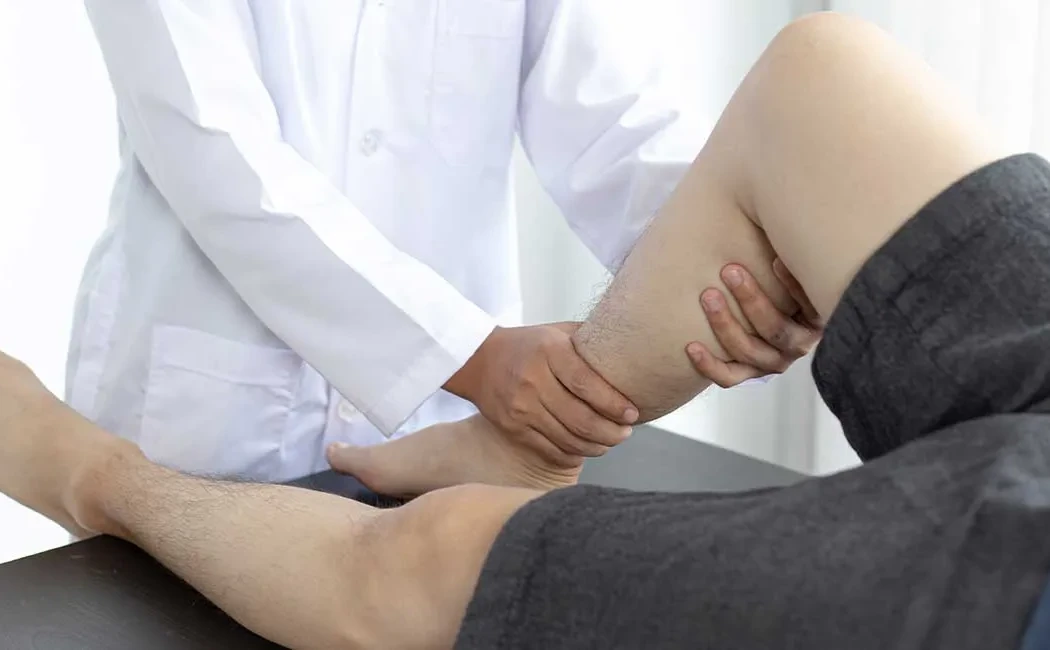
Limb lengthening surgery’s success depends significantly not only on surgical techniques but also on the quality of post-operative rehabilitation. While the operation marks the beginning, achieving the desired height in a healthy and functional manner requires a disciplined physical therapy regimen. Physical therapy after limb lengthening surgery is vital for muscles adapting to the lengthening bone, maintaining joint mobility, and ensuring patients regain confidence to resume daily activities.
This phase involves the closest collaboration between patient and physician. During bone lengthening, soft tissues (muscles, tendons, nerves, and blood vessels) must stretch at a rate compatible with the bone. However, soft tissues typically stretch more slowly, making regular and professional rehabilitation essential to prevent joint stiffness and movement restrictions. This guide details the stages of recovery, the types of exercises to be performed, and key considerations.
Introduction to Physical Therapy After Limb Lengthening Surgery
Rehabilitation begins immediately after surgery and continues until the bone healing process is complete. This recovery period not only involves physical healing but also requires psychological resilience. Patients should be prepared for increased muscle tension as the lengthening progresses.
Understanding the overall process and timeline improves patient compliance.
When Does Physical Therapy Start?
The start time for physical therapy varies based on the surgical technique applied (such as combined methods, magnetic nails, etc.) and the patient's condition. Typically, therapy begins on the day after surgery with bed exercises. The initial goals include enhancing circulation, reducing swelling, and supporting early mobilization.
Especially in procedures involving lower limb deformity correction and rehabilitation, early movement is critical to reduce the risk of deep vein thrombosis. Your doctor will advise on the amount of weight that can be safely applied to the leg depending on the method used. Most modern techniques allow patients to bear weight as tolerated with support (walker or crutches) early in the recovery.
Physical Therapy Stages and Process
Rehabilitation is not a linear process; each stage has unique goals and challenges. Strict adherence to post-limb lengthening care protocols is essential for optimal outcomes.
1. Early Mobilization Phase
During the first 1-2 weeks post-surgery, the main focuses are pain management, wound healing, and maintaining basic joint mobility. Common exercises include isometric contractions (muscle tightening without length change) and ankle pumping movements performed in bed. Taking the first steps with walker assistance is also important for psychological motivation.
2. Exercises During Lengthening Phase
When bone lengthening begins (usually 5-7 days post-op), the most intensive rehabilitation phase starts. Average lengthening is about 1 mm per day, which increases muscle tension. Stretching exercises become critical here. Manual therapy by a physical therapist and active/passive stretching movements aim to prevent muscle shortening.
The type of device used (e.g., Ilizarov external fixator or internal nails) affects how exercises are applied.
3. Consolidation Phase Rehabilitation
Once the lengthening phase finishes, the consolidation phase begins, during which the new bone hardens and becomes strong enough to bear full body weight. The focus shifts to strengthening muscles and restoring normal gait patterns. Balance and proprioception exercises are essential components of this period.
Types of Physical Therapy Exercises
While rehabilitation programs are tailored individually, they generally include similar categories of exercises during the limb lengthening and rehabilitation process:
1. Stretching Exercises: Focus on hamstrings, quadriceps, and Achilles tendon stretches to prevent muscle shortening and joint contractures during lengthening.
2. Strengthening Exercises: Maintaining strong muscles around the hip and knee reduces load on the bone and improves walking quality.
3. Range of Motion (ROM) Exercises: Aim to preserve full flexion and extension of the knee and ankle joints.
Risks of Non-Compliance with Physical Therapy
Neglecting the physical therapy program can lead to serious complications that compromise surgical success. The most common issue is joint stiffness, known medically as contracture. For instance, inadequate Achilles tendon stretching may force the patient to walk on tiptoes, a condition sometimes called “equinus deformity.”
Similarly, as seen in improper bone healing rehabilitation, insufficient therapy may indirectly affect bone healing. Immobility slows circulation, reducing bone formation rates. Long-term immobilization also raises risks of infection and muscle wasting, as observed in bone and soft tissue infection management strategies.
Can Physical Therapy Be Done at Home?
A common question is whether therapy can be completed at home. The process usually follows a hybrid model: patients attend supervised sessions with a physical therapist on scheduled days and perform prescribed exercises at home on others.
However, during critical lengthening periods, home exercises alone may not suffice. Professional supervision ensures proper exercise execution and early identification of potential complications. Therefore, a fully home-based regimen without expert oversight is not recommended.
Nutrition, Wound Care, and Pain Management
Success in physical therapy is linked to the body’s overall ability to heal. Nutrition ranks first in the essential care list after limb lengthening surgery. A diet rich in protein, calcium, and vitamin D supports bone formation.
Pain control is key to adherence; patients experiencing unmanaged pain may avoid exercises. Following your doctor’s pain management protocols ensures exercises are more comfortable.
Physical therapy after limb lengthening surgery is a demanding journey requiring patience and commitment. However, with proper planning, expert guidance, and active patient participation, this process offers the safest path to achieving healthy and functional lengthening goals.
The information provided is for general informational purposes only and does not constitute medical advice. It is not a substitute for professional diagnosis, treatment, or consultation. Diagnosis and treatment should only be determined following a direct examination by a qualified healthcare professional. Each patient’s clinical condition is unique, and surgical or non-surgical methods may vary accordingly. The content is based on current scientific evidence and up-to-date medical practices.