
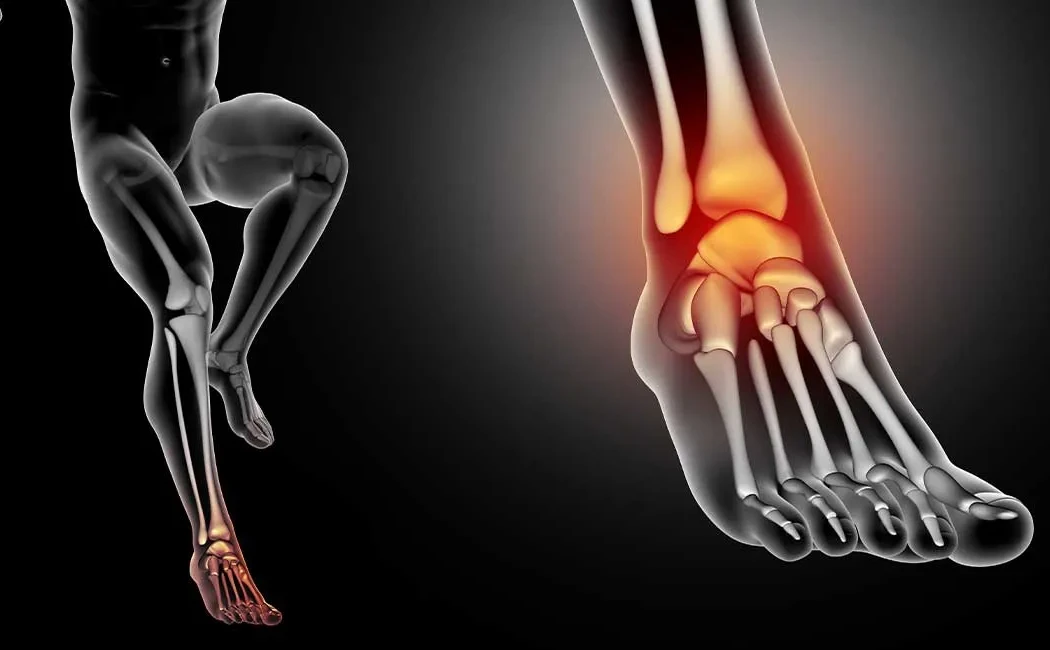
Failure to restore the anatomical integrity of bones after fracture treatment can lead to significant functional and cosmetic impairments, severely impacting patients’ quality of life. When a bone heals in an abnormal angle or position, this is medically termed "malunion." Malunion surgery is a comprehensive therapeutic approach aimed at correcting deformities, restoring joint function, and alleviating pain.
These revision surgeries demand high expertise, particularly for patients with previous surgical or conservative treatment who did not achieve satisfactory outcomes. Malunion is not merely a cosmetic issue but a biomechanical problem that may cause adjacent joint degeneration (osteoarthritis). Therefore, timely and accurately performed interventions are critical for long-term joint health.
What is Malunion?
Malunion occurs when a fractured bone heals in a non-anatomical position, resulting in shortening, angulation, or rotational deformities. Patients often present with visible limb deformity, limited range of motion, and pain during weight-bearing activities.
Clinical assessment defines the deformity’s type and severity. For detailed information, see our article on What is Malunion and How is it Treated?. Classification of deformities forms the basis for treatment strategy.
Causes of Malunion
Malunion primarily arises from inadequate stabilization of the fracture or insufficient fixation in the early healing phase. Complex fractures, associated soft tissue injuries, and infections compromise bone healing and predispose to deformity development.
Malunions, particularly in the lower limbs, disrupt gait mechanics and alter load distribution across the hip, knee, and ankle joints, increasing the risk of post-traumatic osteoarthritis. More information can be found on our Lower Extremity Deformity Surgery page. Patient-related systemic factors such as metabolic status, smoking, and diabetes also influence healing quality.
When is Malunion Surgery Indicated?
Not all malunions require surgery; intervention is considered when deformities cause functional impairment or risk progressive joint damage. Surgical decisions depend on the severity of pain, deformity degree, and patient activity level.
Common surgical indications include:
- Deformities restricting joint range of motion.
- Significant limb shortening.
- Malaligned weight-bearing axis threatening joint health.
- Deformities that impair daily living beyond cosmetic concerns.
Malunion Treatment Methods
The goal of malunion surgery is to re-cut the bone (osteotomy), correctly realign it, and secure the position until healing completes. Treatment varies according to deformity location and type. Reviewing our Malunion Surgery Cases illustrates the necessity for individualized planning.
Common surgical techniques include:
1. Corrective Osteotomies: Controlled bone cuts to realign.
2. Internal Fixation: Stabilization with plates, screws, or intramedullary nails.
3. External Fixation: Gradual correction using Ilizarov frames or computer-assisted fixators.
4. Bone Grafting: Using autograft or allograft bone to enhance healing potential.
In some cases, malunion accompanies nonunion—failure of bone healing. Complex cases integrate nonunion surgery principles into treatment.
Revision Surgery: Approaches for Complex Cases
Revision cases where initial treatments failed or complications like infection occurred call for more sophisticated strategies. These patients often have compromised soft tissues and diminished bone stock. Successful revision requires meticulous preoperative preparation and advanced surgical expertise.
Revision malunion surgeries focus on filling bone defects and enhancing biological healing, as detailed at Malunion Revision Surgeries. Complex upper extremity deformities are addressed with methods described on our Upper Extremity Deformity Surgery page.
Postoperative Recovery and Rehabilitation
Long-term surgical success depends on effective rehabilitation. Recovery duration varies from 3 to 12 months based on procedure complexity and patient biology. Coordinated work with physical therapists is essential during the postoperative recovery phase.
Avoiding smoking and maintaining proper nutrition accelerate bone healing. Patients using external fixators receive training on pin site care and device management.
Scientific References and Current Approaches
Advances in orthopedic surgery have integrated biological and mechanical solutions for malunion treatment. Studies on success factors in nonunion surgery emphasize the importance of stable fixation combined with biological support.
Contemporary literature highlights promising roles of bone morphogenetic proteins (BMP) and stem cell therapies as detailed in biological and mechanical approaches in nonunion surgery, supported by sources like PubMed, the American Academy of Orthopaedic Surgeons (AAOS), and guidelines from the Turkish Society of Orthopaedics and Traumatology (TOTBID).
All information provided is for general educational purposes and does not constitute medical advice. It is not a substitute for professional diagnosis, treatment, or consultation. Diagnosis and management should always be based on an in-person evaluation by a qualified physician. Individual conditions vary, and surgical or non-surgical interventions should be personalized. Information is prepared based on current scientific literature and up-to-date medical standards.