
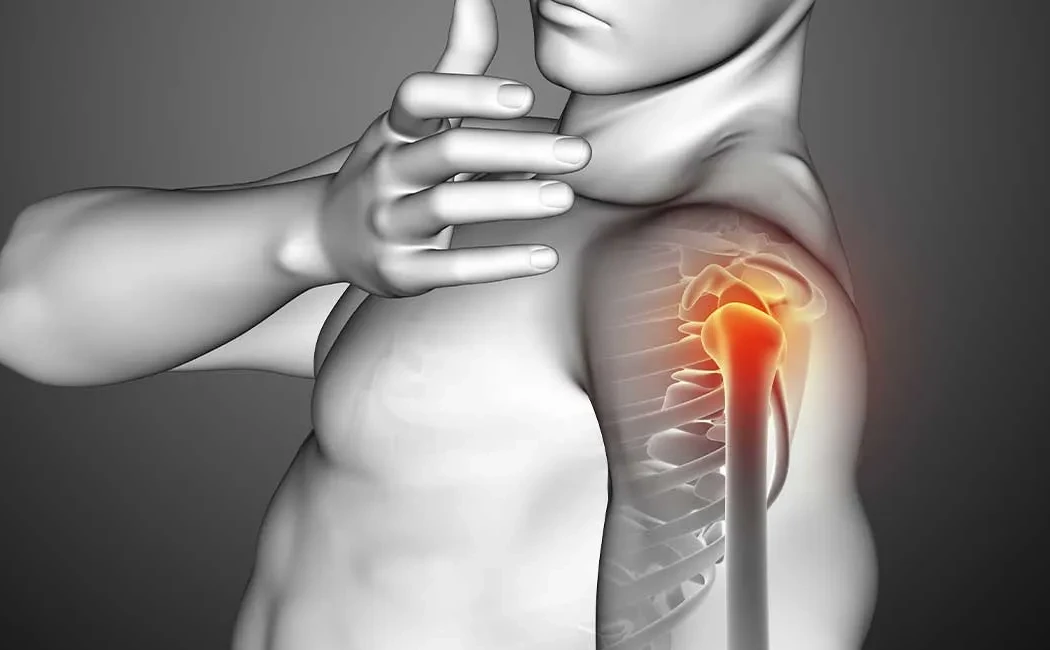
Bone healing after a fracture is one of the most complex and delicate biological processes in the human body. However, sometimes bones do not heal in the intended anatomical position. The medical term for when fracture ends unite at an incorrect angle, with rotation or shortening, is "malunion." This condition can significantly impair patients’ quality of life by causing functional loss and chronic pain. Malunion treatment encompasses advanced orthopedic approaches aimed at correcting deformities, addressing limb length discrepancies, and preserving joint health.
Malunions detected early can often be managed with simpler interventions, whereas established deformities typically require surgical correction. The main goal of treatment is to restore the bone's biomechanical axis and normalize load distribution. This article will thoroughly discuss the causes, symptoms, and current surgical treatment options for malunion.
What Is Malunion?
Malunion occurs when a fractured bone heals but in a position that deviates from its original anatomical alignment. This can manifest as angulation (bending), rotational deformity, or shortening of the bone. Factors such as instability at the fracture site, inadequate fixation, premature weight-bearing, or infection can contribute to developing malunion.
For a more detailed explanation, please refer to our article on What is Malunion and Treatment Methods.
What Happens When a Fracture Heals Incorrectly?
Even if bone continuity is restored, malunion can cause serious complications depending on deformity severity and the bone involved. Deformities in lower limb bones disrupt the weight-bearing axis, often leading to early osteoarthritis in adjacent joints (knee, hip, ankle). Limb length discrepancies can also affect spinal health, potentially causing scoliosis or chronic back pain. The diagram below outlines common types of malunion deformities.
Symptoms and Diagnostic Methods for Malunion
Patients typically present after fracture healing with persistent symptoms. The most common complaints include chronic pain, visible deformity (angulation), limited joint motion, and gait abnormalities such as limping. In the upper limb, functional impairments like inability to fully extend or rotate the arm are often observed.
Diagnosis begins with a thorough physical examination, where the physician assesses gait and range of motion. Radiological imaging is essential for confirming diagnosis and analyzing deformity specifics:
- X-Ray: Shows overall bone structure and angulation.
- Computed Tomography (CT): Provides 3D assessment, especially useful for intra-articular fractures and rotational deformities.
- Long-Leg Standing X-Ray (Orthoroentgenogram): Specialized imaging for evaluating limb length discrepancy and mechanical axis deviation.
Treatment Options for Malunion
Treatment planning depends on patient age, activity level, deformity severity, and impact on quality of life. Mild deformities or patients with high surgical risk may be managed conservatively using orthotics, physical therapy, and pain management. However, surgery is generally indicated when there is significant functional loss. More details on surgical approaches can be found at Malunion Surgery Details.
The surgical goal is to re-cut (osteotomy) the bone and realign it properly for healing. Current modern surgical techniques for malunion offer high success rates. In complex cases, revision surgery may be necessary to correct previous unsuccessful operations; see Malunion Revision Surgeries for more information.
What Is Corrective Osteotomy?
Corrective osteotomy involves surgically controlled cutting of the malunited bone and fixation at the anatomically correct angle. This procedure is fundamental in deformity surgery. After bone cutting, fixation is maintained by plate-screw systems, intramedullary nails, or external fixators (such as Ilizarov devices).
When combined with limb lengthening and deformity correction techniques, both angulation and shortening can be addressed simultaneously. The same principles apply to lower limb deformity correction. The key steps of corrective osteotomy surgery are outlined in the following flowchart.
How Is Malunion Surgery Planned?
Preoperative planning is critical for a successful malunion surgery. The surgeon uses radiological images to make precise measurements and determine the "CORA" point (center of rotation of angulation). Decisions on osteotomy level, implant choice, and whether correction is acute (single-stage) or gradual are made in this phase.
Bone quality and healing potential must also be considered. If healing potential is poor, treatment principles may overlap with nonunion surgery and management. The American Academy of Orthopaedic Surgeons (AAOS) and international literature (PubMed) emphasize that careful preoperative planning reduces complication rates.
Recovery After Malunion Surgery
Postoperative recovery varies depending on the surgical technique and bone healing rate. Initial pain control and edema management are priorities in the first days after surgery. Until radiological evidence of bone union is confirmed, patients may need to limit weight-bearing or use support.
Patient compliance and adherence to rehabilitation protocols are essential. For more guidance, see our Recovery After Malunion Surgery resource. Physical therapy begins early to preserve joint motion and restore muscle strength. The following image illustrates recommended exercises and precautions during recovery.
In summary, malunion treatment, when correctly planned and performed by an experienced team, can significantly improve patient quality of life. Correcting deformities not only improves appearance but is crucial to preventing future permanent joint damage.
This content is provided for general informational purposes only and does not constitute medical advice. It is not intended to replace individual diagnosis, treatment, or professional consultation. Diagnosis and treatment should only be planned following an in-person examination by a qualified healthcare professional. Since each patient's clinical condition is unique, surgical or non-surgical interventions may vary accordingly. Please consult a licensed medical practitioner for any health concerns and do not delay seeking necessary care.