
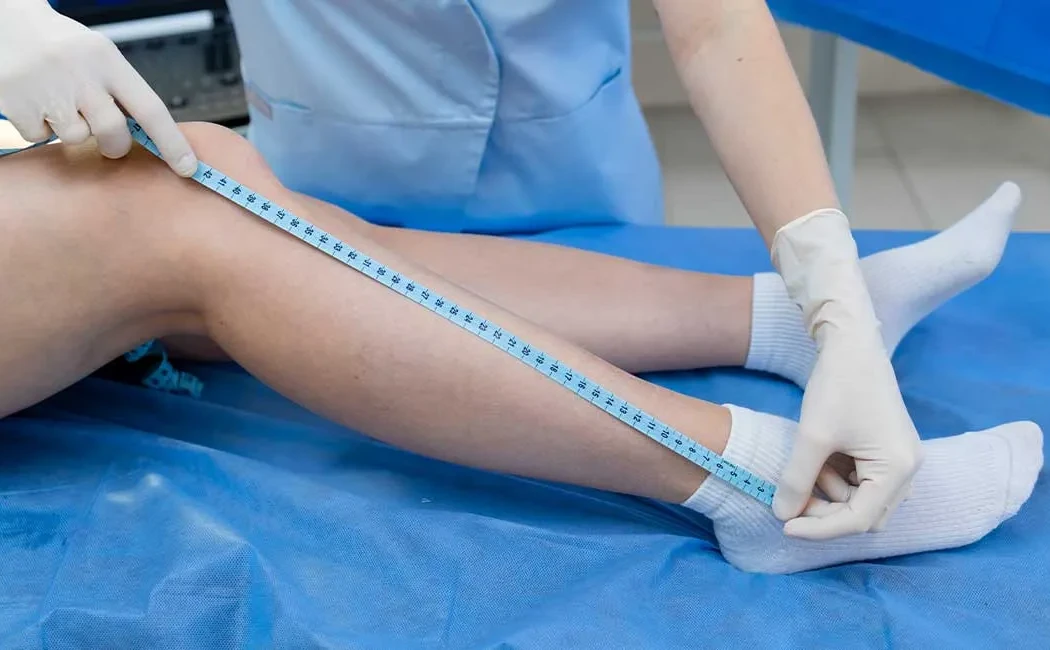
Limb lengthening surgery is an advanced surgical procedure used in orthopedics and traumatology for both reconstructive (corrective) and aesthetic purposes. Fundamentally, it harnesses the body's natural regenerative capacity by surgically cutting the bone (osteotomy) and gradually separating the bone segments. New bone tissue (callus) forms within the gap, resulting in increased bone length.
With technological advancements, methods used in limb lengthening surgery have diversified. Options range from traditional external fixators like the Ilizarov apparatus to fully implantable magnetic systems. However, this is not merely a surgical intervention—it demands a long-term rehabilitation process, patience, and close medical supervision. This article discusses the scientific basis of the surgery, the techniques applied, and the details of the recovery process.
What Is Limb Lengthening Surgery?
Limb lengthening is based on the biological phenomenon known as "distraction osteogenesis," where bone formation occurs through gradual stretching. During surgery, the bone is carefully cut and separated at a controlled rate of about 1 mm per day using specialized devices. This slow distraction triggers the body's fracture healing mechanism, continuously stimulating new bone production before the bone ends weld together.
This procedure extends not only the bone but also the surrounding muscles, nerves, blood vessels, and skin tissues gradually.
Once the desired lengthening is achieved, the distraction process stops, allowing the new bone to harden (consolidation phase). During this period, patients are advised to follow their physician’s instructions regarding weight-bearing and exercises.
Who Is a Candidate for Limb Lengthening Surgery?
Candidates for limb lengthening surgery typically fall into two main groups: those with medical indications and those seeking cosmetic enhancement. Medical indications include dwarfism (achondroplasia), leg length discrepancies, bone loss following childhood infections or trauma. Procedures such as upper extremity lengthening and deformity correction are part of extremity reconstruction.
Cosmetic lengthening addresses individuals with constitutionally short stature—those without hormonal or genetic disorders but negatively impacted psychosocially by their height. Not all applicants qualify; suitable candidates have completed skeletal growth (closed growth plates), do not smoke, are free from chronic bone diseases, and possess the psychological resilience to manage the demanding process.
Techniques and Methods Used in Limb Lengthening
Techniques for limb lengthening have evolved with technological progress to improve patient comfort. The chosen method depends on the patient’s anatomy, budget, lifestyle, and targeted lengthening.
The primary difference lies in whether the device is external or internal, and how this impacts mobility during the recovery period. For a detailed comparison, visit our PRECICE and Ilizarov methods comparison page.
Ilizarov Method
Developed by Soviet physician Gavriil Ilizarov, this technique forms the foundation of limb lengthening surgery. It uses rings and wires applied externally to the leg, known as an external fixator. The Ilizarov limb lengthening method remains the gold standard, particularly for correcting complex deformities and cases with infection risk. The external device’s application on the bone is illustrated below.
Although more affordable, the visible external device can be uncomfortable for patients. For more details, read our article on the Ilizarov limb lengthening process.
LON and Hybrid Techniques
LON (Lengthening Over Nail) or combined limb lengthening uses both an external fixator and an internal intramedullary nail. The distraction is done externally while the internal nail supports the newly forming bone. After reaching the target length, the external fixator is removed, and the internal nail remains until full bone healing. This approach significantly reduces the time the external device stays in place, improving patient comfort.
PRECICE System
The most modern technique uses fully implantable magnetic nails, invisible externally. Lengthening is controlled by an external remote controller (ERC) generating a magnetic field. This method minimizes infection risks (no pin site infections) and results in minimal scarring, offering the highest level of patient comfort. However, it is more costly than other methods.
Preoperative Preparation
A successful limb lengthening surgery begins with thorough preparation. Physical assessments include full-leg X-rays, blood tests, and bone density measurements. Anesthesia specialists evaluate the patient’s overall health to ensure surgery suitability.
Mental preparation is as important as physical readiness. Patients must have realistic expectations about the length of the process, possible pain, and movement limitations. Professional psychological support may be beneficial. See our guide on psychological preparation before limb lengthening surgery.
Surgical Procedure and Stages
The surgery marks the start of a journey lasting several months. Usually performed under general anesthesia, the operation lasts between 2 and 4 hours depending on the technique used.
During surgery, an osteotomy (controlled bone cut) is performed and the lengthening device installed. The first 5-7 days after surgery, known as the "latent phase," involves no distraction to allow soft tissues to recover. Then, distraction begins at approximately 1 mm per day (usually 4 increments of 0.25 mm). For technical details, visit our page on bone lengthening surgery specifics.
Recovery and Physical Therapy
Following the lengthening phase, the consolidation phase begins, during which the new bone hardens to bear body weight. Physical therapy starts the day after surgery and must continue intensely for at least six months.
Stretching exercises are crucial to ensure muscles and tendons grow at the same rate as bone. Inadequate physical therapy can lead to joint stiffness (contractures) and restricted movement. To understand the recovery timeline, check our content on recovery time after limb lengthening and postoperative care after extremity lengthening.
Complications and Risks
As with any surgery, limb lengthening carries certain risks. Common issues include pin-site infections (in external fixator methods), joint stiffness due to muscle tightness, and temporary nerve irritation. Effective pain management is essential; see our page on post-surgical pain control strategies.
More serious complications can include premature or delayed bone healing (nonunion), which may require additional interventions. For more information, visit our pages on nonunion surgery and complication management and malunion surgery. Minimizing risks demands an experienced surgeon and a collaborative patient-doctor relationship.
Scientific References and Warnings
Limb lengthening surgery is a scientifically validated discipline supported by authorities such as PubMed, AAOS (American Academy of Orthopaedic Surgeons), and TOTBİD (Turkish Orthopaedics and Traumatology Association). However, be cautious of commercial claims promising guaranteed or painless immediate results online. Every surgical plan must be individualized according to medical ethics, as outcomes vary based on personal factors.
This content has been reviewed by a licensed medical professional specializing in orthopedics and traumatology and is intended for general informational purposes only. The information provided does not constitute professional medical advice, diagnosis, or treatment. Please consult a qualified healthcare provider for any questions regarding your health or treatment plans. Although the information is based on current scientific literature (such as PubMed, AAOS, etc.), medical knowledge is continually evolving and may change over time.