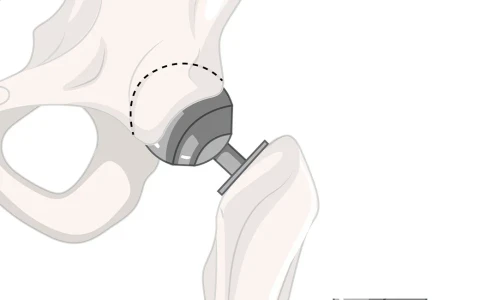
Knee prosthesis surgery is a vital treatment option for individuals suffering from severe damage and functional loss in the knee joint. This article discusses who should undergo knee prosthesis surgery, preoperative evaluations, and the criteria for proper patient selection based on scientific principles.
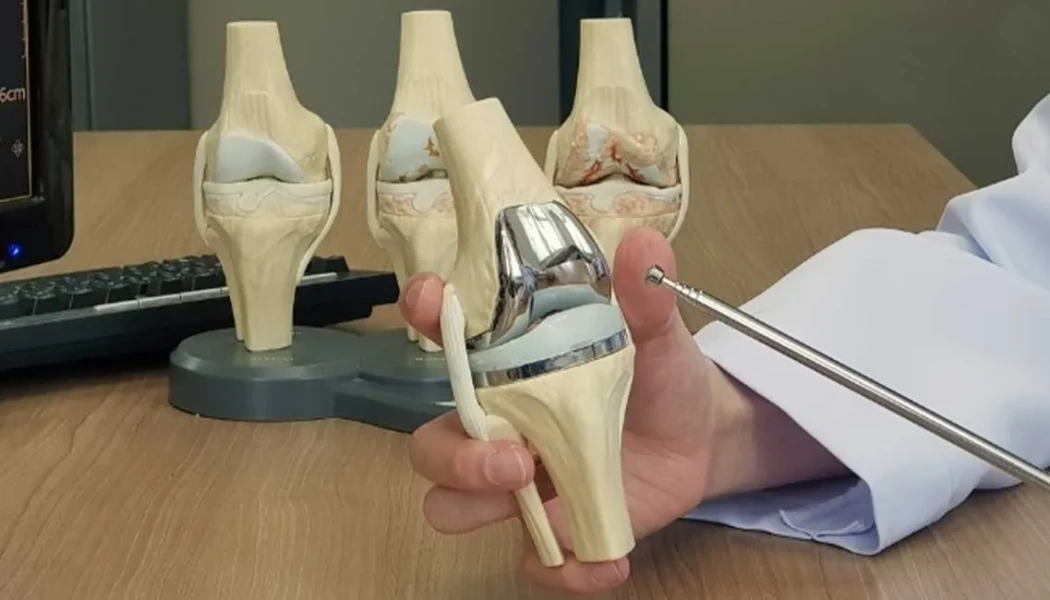
Knee prosthesis surgery is one of the widely used surgical methods to treat advanced damage, pain, and functional loss in the knee joint. This surgery is applied primarily to improve the quality of life for patients whose knee joints have been severely damaged due to osteoarthritis, rheumatic diseases, or trauma-related injuries. However, knee prosthesis surgery is not recommended for everyone; selecting the right patients and evaluating proper clinical criteria are critically important for the success of the surgery and patient satisfaction.
Indications for Knee Prosthesis Surgery
The primary indications for knee prosthesis surgery include:
Severe knee pain
The patient’s main complaint is usually intense pain that persists even at rest and severely limits movement. Pain that significantly reduces the patient’s quality of life during the day is a key indicator for surgery.
Motion limitation
When stiffness and movement limitation in the knee joint begin to interfere with daily activities, such as difficulty climbing stairs or sitting and standing, prosthesis surgery is considered.
Resistance to conservative treatments
If pain and functional loss continue despite non-surgical treatments such as medication, physical therapy, and intra-articular injections, surgery is recommended.
Joint deformities
If a deformity in the knee, especially leg bowing (varus or valgus deformity), has developed and increased pain, knee prosthesis surgery is discussed.
Radiological findings
Extensive cartilage loss, hardening of bone surfaces, and shape abnormalities in the knee joint (such as cartilage erosion, subchondral sclerosis, and osteophyte formation) support the indication for knee prosthesis.
Who Is Suitable for Knee Prosthesis Surgery?
Generally, knee prosthesis surgery is recommended for the following patient groups:
Adults with moderate to advanced osteoarthritis
Osteoarthritis is very common in individuals over 60 years old. When pain and motion limitation are significant, prosthesis surgery restores quality of life.
Patients with knee damage due to rheumatoid arthritis or other inflammatory joint diseases
Functional improvement can be achieved through knee prosthesis in cases of joint destruction from rheumatic diseases.
Post-traumatic osteoarthritis of the knee
In cases where the joint surface has been damaged by fractures or other injuries, osteoarthritis develops, creating a need for knee prosthesis.
Patients unresponsive to non-surgical treatments
When treatments like medication and physical therapy are unsuccessful, surgery becomes inevitable.
Those with severe joint deformity
In patients experiencing functional problems due to knee bending and shape abnormalities, joint prosthesis corrects the deformity.
Who Is Not Suitable for Surgery?
Knee prosthesis surgery is risky or inadvisable in certain situations, such as:
Active infections
If there is an infection around the knee or a systemic infection, surgery should be postponed.
Patients with severe heart, lung, or other systemic diseases
Alternative treatments are preferred for patients with high surgical and anesthesia risks.
Patients whose knee joint stability is not seriously impaired and whose mobility is at an acceptable level
Decisions are made by balancing surgical risks and benefits.
Postoperative Expectations and Rehabilitation
After knee prosthesis surgery, patients usually stay in the hospital for about 3-6 weeks, followed by physical therapy programs. The goals are to increase the range of motion of the knee, regain muscle strength, and enable independent walking. After surgery, the aim is to reduce pain and make daily living activities easier to perform; results vary from person to person. Managing patient expectations before surgery is also important.
In summary, knee prosthesis surgery should be applied with proper patient selection for painful, mobility-restricting knee joint diseases that do not respond to conservative treatments. Detailed examination and evaluation by experienced orthopedic specialists determine the success of the surgery.
Frequently Asked Questions
Patients are generally considered suitable for knee prosthesis surgery if they are 60 years or older, but the decision is made individually based on the patient’s overall health and the degree of knee joint damage. Younger patients require more careful evaluation.
Hospital stay after surgery usually lasts 3-6 days. The recovery process supported by physical therapy takes approximately 3-6 months; most patients can return to daily activities within 3 months.
The average lifespan of modern knee prostheses ranges between 15 to 20 years. However, this duration can vary depending on usage habits, patient weight, and activity levels.
As with any surgical procedure, there are risks such as infection, bleeding, and embolism. However, modern surgical techniques and proper patient selection minimize these risks.
Low-impact sports such as walking and cycling are recommended after surgery. High-impact and strenuous sports are generally not advised. A movement plan should be determined with the orthopedic specialist.
This article is for general information only and does not replace a medical examination, diagnosis or treatment. Treatment options and outcomes vary from person to person.
Related treatment area Hip Osteoarthritis: Symptoms, Treatment and the Replacement Decision