The movements to avoid during the recovery period after knee replacement surgery are crucial for the longevity of the prosthesis and prevention of complications. This article thoroughly discusses the movements to avoid and the recommended exercises after knee replacement.
Knee replacement surgery is performed in patients with advanced damage to the knee joint to reduce pain, increase mobility, and improve quality of life. The postoperative period is critical for ensuring the proper function of the prosthesis, preventing infections, and maintaining joint range of motion. Certain movements performed by patients during this phase may negatively affect the lifespan of the prosthesis or cause serious complications. Therefore, acting with correct knowledge and awareness is vital.
Recovery Process After Knee Replacement
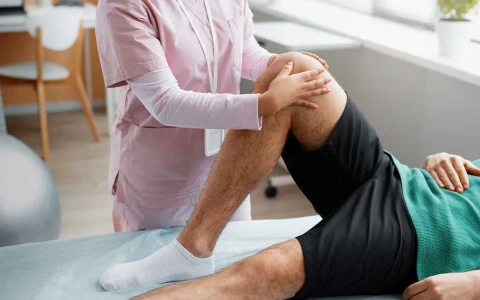
After surgery, patients are typically discharged within a few days and begin rehabilitation at home or in a physical therapy center. In the first weeks, swelling, pain, and limited movement in the knee are common. The goal of rehabilitation is to increase joint range of motion, maintain muscle strength, and restore daily functionality. However, some movements should be avoided throughout the physical therapy process and beyond.
Importance of Avoiding Certain Movements
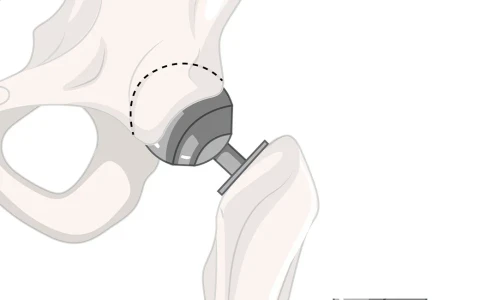
A knee prosthesis is an artificial joint component that requires preservation of soft tissue and bone integration around the implant. Excessive or abnormal movements can cause displacement, loosening, or wear of the prosthesis. Additionally, movements that may cause trauma to the surgical area, which is at risk of infection, can increase infection rates. For healthy recovery, avoiding harmful movements is critical.
Movements to Particularly Avoid After Knee Replacement
1. Deep Knee Bending and Squatting
Deep squatting creates excessive stress on the knee joint and may cause displacement of the prosthesis. Generally, bending beyond 90 degrees is not recommended after knee replacement. Squatting can impair prosthesis function and cause soft tissue problems around the implant.
2. Sudden Twisting or Rotational Movements of the Knee
Although the natural knee joint allows some rotation, excessive rotational movements after prosthesis surgery may lead to loosening or dislocation of prosthetic components. Sudden twisting movements involving the knee should be avoided. Activities such as running, abrupt direction changes, and sports like football carry risks.
3. Heavy Lifting and Intense Jumping
Lifting heavy loads or powerful jumps from hard surfaces place excessive pressure on the prosthesis and may cause early wear of its components. High-impact exercises and sports should be avoided during the postoperative period.
4. Prolonged Sitting on the Knees or Staying in a Squatted Position
Extended periods of knee flexion can adversely affect blood circulation around the joint and cause stiffness. Especially in the initial postoperative period, patients should avoid sitting on their knees for long durations and ensure regular joint movement.
5. Carelessness on Stair Ascent and Descent
Controlled and balanced knee movement is essential on stairs. Descending increases pressure on the knee and may damage the prosthesis. Loss of balance can cause sudden injuries or falls. Therefore, moving slowly and carefully is advised.
Recommended Movements and Exercises After Knee Replacement
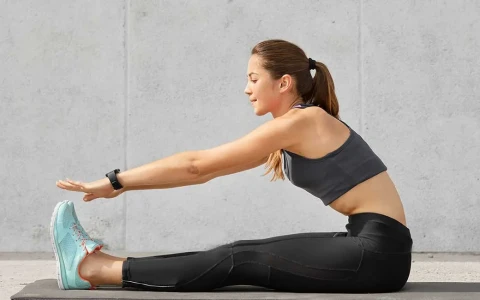
Appropriate exercises recommended by doctors and physiotherapists help increase knee mobility and strengthen muscles after surgery. Under expert supervision, knee flexion exercises, gentle knee extensions, walking, and low-impact cycling help protect the prosthesis. Rehabilitation should start with controlled, gentle movements and avoid excessive strain.
Preventing Complications and Extending Prosthesis Lifespan
The healthy function of a knee prosthesis depends on the patient’s correct movements during recovery. Otherwise, early loosening, infection, dislocation, or fractures may occur. Regular check-ups, adherence to physical therapy programs, and attention to lifestyle are essential to prolong prosthesis life.
During recovery, patients are advised to rest in a seated position with mildly bent knees, engage in mild walking, and gradually increase activity levels under medical guidance. High-impact sports and strenuous activities are generally not recommended.
Frequently Asked Questions
Generally, bending the knee beyond 90 degrees is not recommended for the first 6 weeks after surgery. Deep squatting should be avoided for a prolonged period but may vary depending on individual circumstances and doctor’s advice.
Low-impact sports such as swimming, cycling, and walking are generally recommended. Sports that involve sudden turns and jumping, like football and basketball, may damage the knee prosthesis and are not advised.
When descending stairs, the healthy leg should lead first; when ascending, the leg with the prosthesis should lead. Moving slowly and using handrails reduces risks of falls and strain.
Most patients return to normal daily activities 3-6 months after surgery but should avoid high-impact sports or heavy activities. Following the doctor’s guidance is important.
Avoiding excessive loads, maintaining regular exercise, controlling weight, and attending regular doctor check-ups all help extend prosthesis longevity. Avoiding heavy activities and strenuous movements is crucial.
This article is for general information only and does not replace a medical examination, diagnosis or treatment. Treatment options and outcomes vary from person to person.
Related treatment area Hip Osteoarthritis: Symptoms, Treatment and the Replacement Decision