
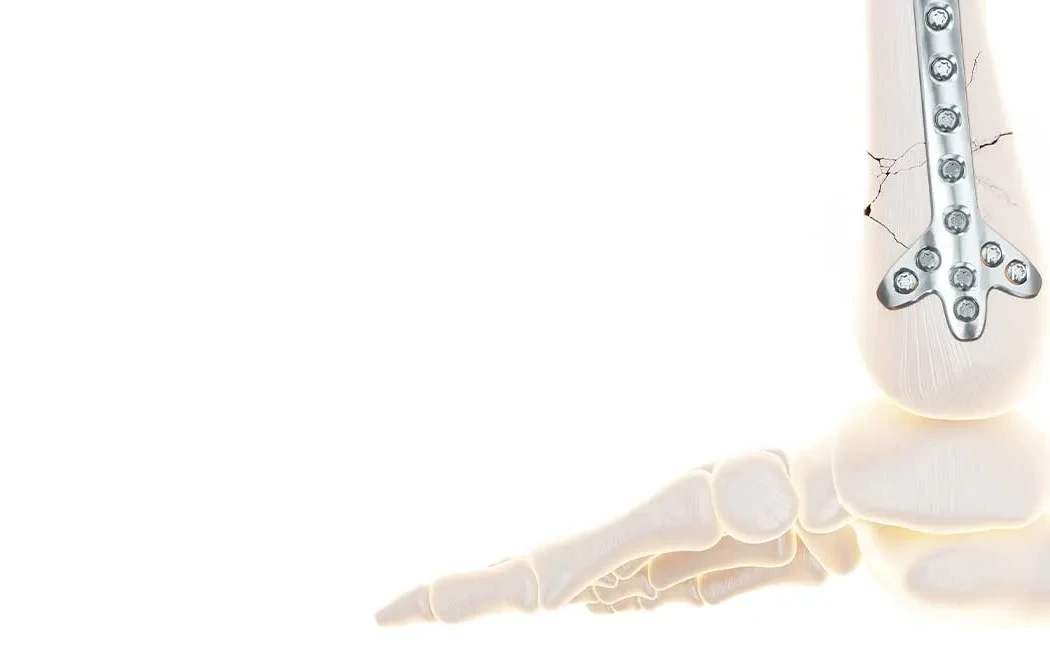
Nonunion is a frequently encountered and challenging condition in orthopedics. Under normal circumstances, the bone healing process following a fracture is completed within approximately 6 to 12 weeks. However, in some cases, this process is delayed or fails entirely, resulting in nonunion. The primary causes of nonunion include incorrect surgical technique, inadequate stabilization, infection, poor blood flow, and patient-related factors. Surgical intervention is essential in the treatment of nonunion, and the plates and nails used in this intervention play a critical role in ensuring bone stabilization.
Orthopedic Implants Used in Nonunion Surgery
The plates and nails used in nonunion surgery provide mechanical support either around the bone or within the medullary canal, thereby aiding in the reinitiation of the healing process. Implant selection is planned based on the type of nonunion, the anatomical location of the bone, and the patient’s overall condition.
Plates
Orthopedic plates are applied to the outer surface of the bone to achieve fixation. Locked plates are generally preferred in nonunion surgery. These locked plates create a mechanical locking effect between the plate and screws, allowing for a more robust and stable osteosynthesis. They resist both lateral and torsional forces. Plates should be applied with minimal soft tissue damage to stimulate new bone formation in the nonunion area.
Advantages of Locked Plates:
- Increased mechanical stability
- Designed to enable compression and distraction
- Minimal periosteal blood flow loss
- Permits early mobilization
Nails
Intramedullary nails are long metal rods inserted into the inner medullary canal of the bone. Unlike external plates, nails used in nonunion surgery allow for a more natural load transfer under axial stress and are biomechanically more compatible. Modern intramedullary nails are fixed at the distal and proximal ends with screw connections to increase stability.
Key Advantages of Intramedullary Nails:
- High load-bearing capacity
- Relatively lower infection risk
- Variable invasiveness compatible with surgical technique
- Preserves bone marrow blood flow, aiding biological healing
Combination of Plates and Nails in Nonunion Surgery
Sometimes combined surgical techniques involving both plates and intramedullary nails are preferred. These methods increase the chance of success, particularly in cases involving severe deformities, concurrent infection, or significantly impaired biological healing. For example, applications combining plates or nails with the Ilizarov technique provide advantages both mechanically and biologically.
Surgical Planning and Application
Achieving successful outcomes in nonunion surgery requires thorough preoperative imaging (X-ray, CT, and if necessary MRI) to determine the type of nonunion, bone quality, and deformities. Infected tissue is debrided during surgery, and if necessary, antibiotic-impregnated implants are chosen. Implant placement must not compromise the bone's vascularization or damage the soft tissue. After stability is established, bone grafting may also be applied during the surgery.
In summary, the correct selection and application of plates and nails in nonunion surgery are among the most important factors determining the overall success of the treatment process. With guidance from experienced orthopedic surgeons like Prof. Dr. Halil İbrahim Balcı, appropriate surgical and rehabilitation protocols enhance patients’ quality of life.