
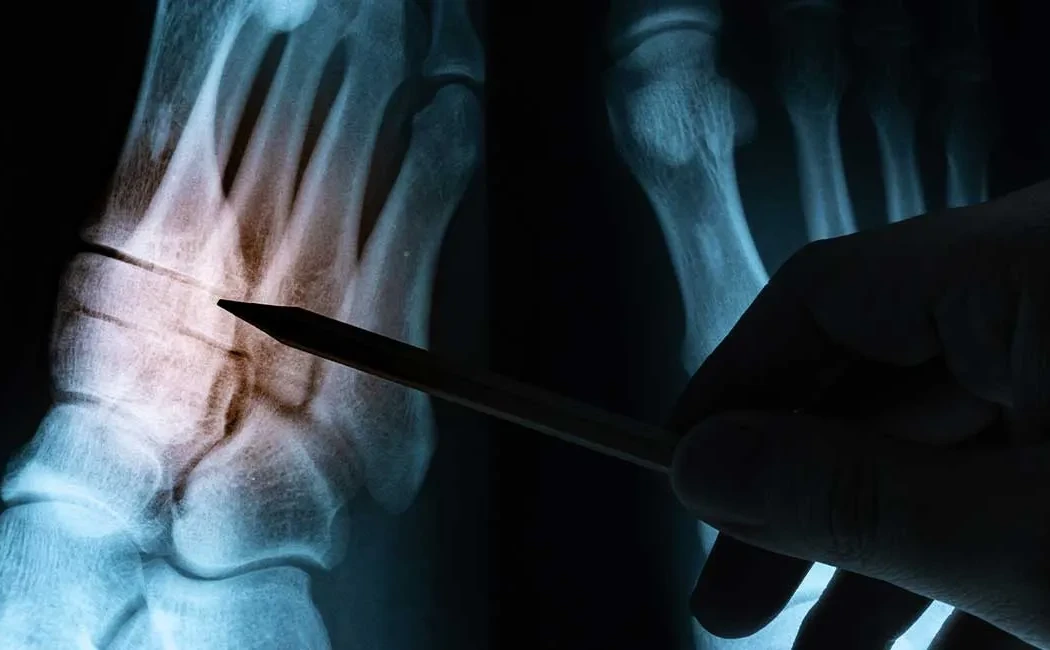
The goal of fracture treatment is to fully restore the bone’s anatomical integrity and function. However, in some cases, due to various factors, the bone does not heal in the expected position. Malunion surgery is an advanced orthopedic procedure performed to correct bones that have healed at a wrong angle, with shortening or rotation (malunion), aiming to restore the limb’s normal function and appearance.
This surgery is not only a cosmetic correction but also essential to safeguard the long-term health of the joints. Malunions frequently occurring in weight-bearing lower limb bones can lead to cartilage wear and early arthritis over time. Therefore, malunion surgery aims to improve patients' quality of life and prevent future complications.
What Is Malunion?
Medically termed "malunion," malunion occurs when a fracture heals with a bone alignment different from its original anatomical position. This can manifest as angulation (bowing), rotation, or shortening of the bone. For detailed information, see our article on what malunion is and treatment options.
Malunion affects not only bone shape but also the biomechanics of adjacent joints. For example, a bowed tibia disrupts load distribution to the knee and ankle joints, causing pain and restricted movement.
Causes and Consequences of Malunion
Fracture healing is a complex biological process, and disruptions at any stage can cause malunion. Common causes include insufficient stabilization of fracture ends, premature removal of casts or splints, inadequate surgical fixation, or early weight-bearing during recovery. Infections and soft tissue injuries can also prevent proper bone healing alignment.
Consequences can significantly impair daily life. Besides visible deformity, limb length discrepancy, altered gait (limping), and reduced joint range of motion are frequent complications. Over time, uneven load on joint surfaces increases the risk of post-traumatic osteoarthritis.
What Is Malunion Surgery?
Malunion surgery involves surgically rebreaking the incorrectly healed bone (osteotomy) to realign and stabilize it properly. The procedure aims to restore the bone’s normal anatomy. Surgical planning is carefully tailored according to the deformity’s location, type, and the patient’s expectations. Technical details of the process can be found on our malunion surgery principles page.
Osteotomy and Surgical Techniques
Osteotomy, the surgical cutting of the bone, is the cornerstone of malunion surgery. During the procedure, the surgeon cuts the bone at or near the deformity’s center, corrects alignment, and secures the bone in the new position with implants such as plates, screws, or intramedullary nails. Thanks to modern surgical options and osteotomy methods, these corrections are performed with high precision.
In certain cases, especially where shortening or infection risk exists, Ilizarov or computer-assisted external fixators (external devices) may be preferred. These allow gradual bone correction. Comparing this to nonunion surgery highlights how osteotomy techniques enhance bone healing potential.
Who Is Malunion Surgery For?
Not all malunions require surgery. It is typically considered if the patient experiences functional problems (pain, limited movement) or severe cosmetic deformities. Surgical approaches are especially recommended for lower limb deformities that disrupt gait mechanics and threaten joint health.
Decisions also consider the patient's overall health, bone quality, and factors like smoking. Surgery is planned when benefits outweigh surgical risks.
Surgical Procedure and Techniques Used
The surgery begins with comprehensive radiological evaluation. CT scans and full-length leg X-rays (orthoradiograms) precisely measure the deformity’s angle and location. The surgeon then realigns the bone using osteotomy-based deformity corrections.
Postoperative Recovery and Rehabilitation
Recovery after malunion surgery varies depending on the extent of correction and individual bone healing rate. Protection of the surgical site and controlling swelling are critical during the initial weeks. Detailed information on the postoperative recovery process helps patients manage expectations.
Physical therapy plays a vital role in regaining muscle strength and maintaining joint mobility.
Potential Risks and Complications
As with any surgery, malunion correction carries risks. These include infection, bleeding, nerve or vascular injuries, anesthesia-related complications, and failure of bone healing (nonunion). Implant failure or loss of correction are rare but possible. Experienced surgical teams and careful patient selection help minimize these risks.
Malunion Surgery in Pediatric Patients
Fractures in children require a different approach due to open growth plates. In growing children, malunions may improve spontaneously through remodeling or worsen with growth. Therefore, pediatric limb deformity surgery demands sensitive techniques that protect growth plates. Treatment plans vary according to the child’s age and remaining growth potential.
The information provided herein is for general informational purposes only and does not constitute medical advice. This content is not a substitute for individualized diagnosis, treatment, or professional consultation. Diagnosis and treatment should be determined exclusively through an in-person examination by a qualified healthcare professional. Since each patient’s clinical condition is unique, surgical or non-surgical treatments may vary accordingly. The information is based on current scientific knowledge and up-to-date medical practices. Do not delay seeking necessary medical care based on this content; always consult a licensed healthcare provider for any health concerns.