
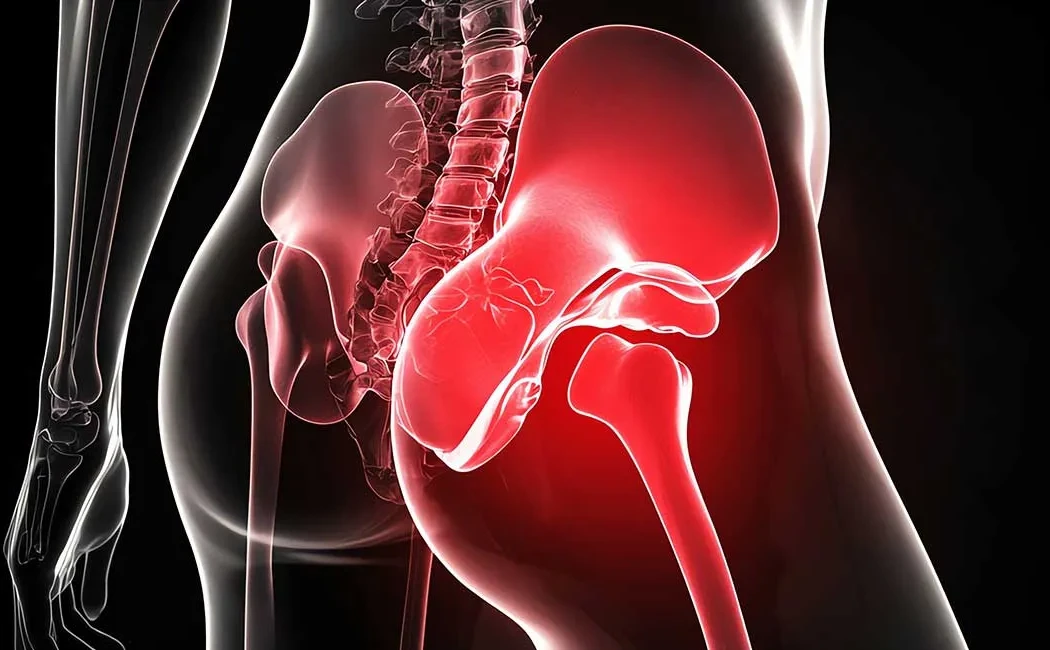
The hip joint is one of the body’s largest weight-bearing joints and can deteriorate over time due to various factors. Known medically as coxarthrosis, hip osteoarthritis is a degenerative disease characterized by progressive loss of joint cartilage. This condition can cause severe pain and movement limitations that restrict patients' daily activities. Hip Osteoarthritis, Coxarthrosis, and Hip Replacement Surgery represent a thorough approach to managing this degenerative process, spanning from diagnosis to treatment.
In early stages, conservative methods are prioritized, while surgery becomes necessary when cartilage damage is irreversible. Modern orthopedic surgical techniques aim to restore a pain-free, functional life for patients. This guide will explore the causes, symptoms, and current treatment protocols based on scientific evidence.
What Is Hip Osteoarthritis (Coxarthrosis)?
Coxarthrosis refers to the wear, thinning, and eventual loss of cartilage tissue between the femoral head and the acetabulum of the hip joint. The loss of cartilage causes bone surfaces to rub against each other, resulting in pain, stiffness, and functional impairment. This process affects not only the cartilage but also the joint capsule and surrounding soft tissues, leading to biomechanical dysfunction.
Osteoarthritis generally progresses slowly and is divided into stages. Initially, pain occurs only during weight-bearing activities; in advanced stages, pain may be present even at rest. Radiological examinations often reveal joint space narrowing and bone spurs called osteophytes.
Causes and Risk Factors of Hip Osteoarthritis
The etiology of hip osteoarthritis divides into primary (unknown cause) and secondary (due to a specific cause) categories. Advanced age is the most significant risk factor as the cartilage’s water content and durability decrease over time. However, coxarthrosis is not solely an age-related condition.
Genetic predisposition, structural abnormalities of the hip joint such as hip dysplasia, and previous trauma play essential roles in disease development. Obesity increases load on joints, accelerating cartilage degeneration. Inflammatory diseases like rheumatoid arthritis and circulatory disorders like avascular necrosis of the femoral head are common causes of secondary coxarthrosis.
Symptoms: Early and Advanced Signs of Coxarthrosis
Clinical presentation varies by individual, but pain is the most frequent symptom. It is primarily felt in the groin area and may radiate to the front of the thigh or knee. In the early stage, pain worsens after activity and subsides with rest. As the disease advances, night pain and pain at rest become prominent.
For detailed information, visit Symptoms of Hip Joint Osteoarthritis. Limited mobility can impair simple daily tasks like putting on socks or tying shoes. Morning stiffness and the so-called “start-up pain” after prolonged sitting are typical clinical signs. In advanced stages, leg length discrepancy and limping may occur.
Diagnostic Process: Methods Used in Hip Osteoarthritis
Diagnosis begins with a detailed patient history and physical examination. The physician assesses the range of motion, painful points, and gait pattern. Differentiating conditions such as hip impingement is important; information on Hip Impingement Syndrome and Treatment can support the diagnostic process.
Plain radiographs clearly show joint space narrowing, bone cysts, and osteophytes. MRI is preferred in early stages or when soft tissue pathology is suspected. CT scans are useful for three-dimensional assessment of bone structure, especially for surgical planning.
Non-Surgical Treatment Options
In early coxarthrosis, conservative treatments are prioritized. The primary goals are to reduce pain, preserve joint mobility, and slow disease progression. Weight management helps alleviate symptoms by reducing joint load.
More details on conservative treatments and Joint-Preserving Therapies to Delay Hip Replacement provide insights into improving patient quality of life. Physical therapy and rehabilitation strengthen muscles around the hip, enhancing joint stability.
Non-steroidal anti-inflammatory drugs (NSAIDs) help control pain and swelling, while intra-articular injections (corticosteroids or hyaluronic acid) may provide temporary relief. Assistive devices such as canes or walkers might be recommended to reduce joint load.
When Is Hip Replacement Surgery Necessary?
Surgical treatment is considered when conservative measures fail and pain severely limits daily life or interrupts sleep. Hip Osteoarthritis and Replacement Surgery is an effective procedure aimed at restoring quality of life.
Surgical decisions account for patient age, activity level, and overall health. Cases with previous trauma or Malunited Fracture Surgery and Early Osteoarthritis history may require more complex surgical planning.
Total hip replacement involves removing the damaged femoral head and acetabulum and replacing them with artificial components made of metal, ceramic, or polyethylene. This surgery has high success rates in pain relief and functional recovery (Source: AAHKS).
The Hip Replacement Surgery Procedure
Hip replacement surgery is performed under sterile conditions, typically using general or spinal anesthesia. The surgical technique varies depending on the patient’s anatomy and surgeon preference. Advances in Hip and Knee Joint Replacement Surgery have increased the use of minimally invasive approaches.
The procedure usually lasts 1–2 hours. After removing the damaged bone and cartilage, prosthetic parts are implanted into the bone. Fixation occurs either using bone cement (cemented) or by bone integration onto the prosthesis surface (cementless).
Postoperative Recovery and Rehabilitation
Rehabilitation following successful surgery is critical to long-term outcomes. Patients are typically mobilized on the first postoperative day. Observing Post-Hip Replacement Care Guidelines is essential to prevent dislocation and facilitate healing.
For more information on recovery, see Hip Replacement Postoperative Recovery Process. Exercises guided by a physiotherapist strengthen hip muscles and improve range of motion. Although recovery times vary, most patients regain substantial daily function within 6–8 weeks.
The information provided is for general informational purposes only and does not constitute medical advice. It is not intended to replace professional diagnosis, treatment, or guidance. Diagnosis and treatment should be planned only after an in-person consultation with a qualified healthcare provider. Since each patient’s clinical condition is unique, the surgical or non-surgical methods applied may vary individually. The content is based on current scientific evidence and up-to-date medical approaches.