
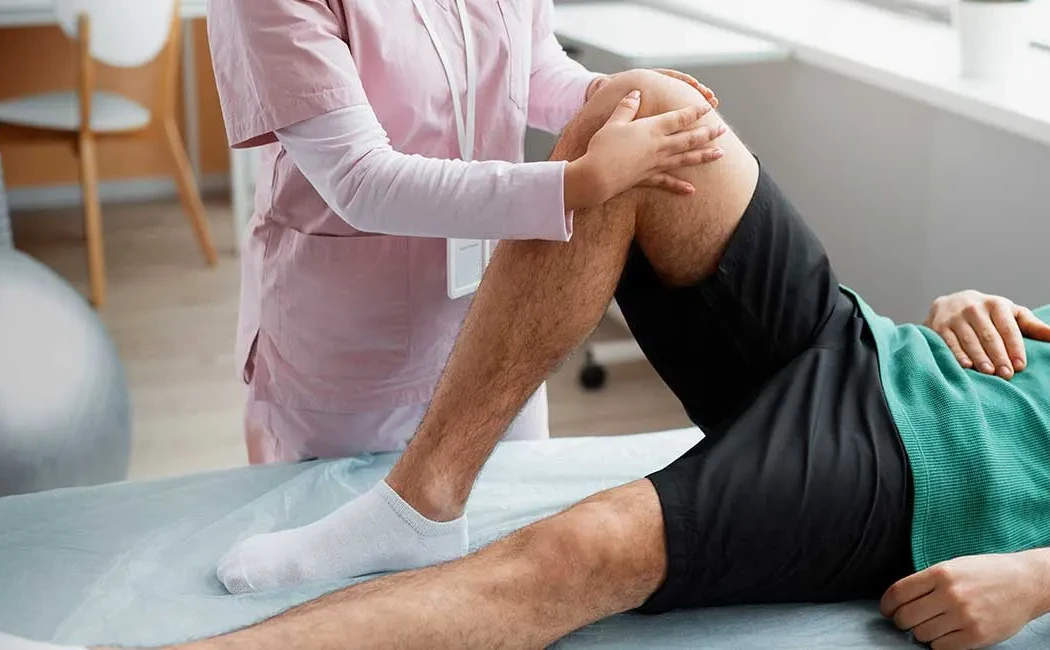
Limb lengthening surgery is a complex treatment requiring long-term follow-up and disciplined rehabilitation beyond the surgical procedure itself. The recovery period after limb lengthening surgery is critical as it directly affects the durability of the surgical success and the patient’s functional abilities. This period focuses on bone tissue regeneration, adaptation of soft tissues to the lengthening, and maintaining muscle strength.
Setting realistic expectations for patients about post-surgery recovery facilitates a healthier rehabilitation journey. Although methods applied in limb lengthening surgery under the Bone (Limb) Lengthening Surgery vary, the fundamental principles of healing remain consistent. This guide addresses the stages that follow surgery, areas requiring attention, and the importance of rehabilitation supported by scientific evidence.
What Is Recovery After Limb Lengthening Surgery?
Recovery after limb lengthening surgery begins immediately after the surgical intervention and continues until the bone regains full load-bearing capacity and the patient returns to daily activities. During this time, the body gradually forms new bone tissue (callus) in the deliberately created fracture site. Recovery is not limited to bone healing; nerves, blood vessels, muscles, and tendons also adapt to the lengthening process. Successful recovery depends as much on the accuracy of the surgical technique as on the patient’s compliance with the rehabilitation program.
Stages of the Recovery Process
Recovery is biologically and mechanically sequential, with each phase involving distinct medical requirements and patient responsibilities.
1. Lengthening (Distraction) Phase
After the latent period (initial post-surgery waiting phase), lengthening begins with bone extending approximately 1 mm per day. This rate is adjusted according to the body’s capacity to form new bone and soft tissue. Whether using the Ilizarov method or modern internal devices, patient training on device management is crucial. Excessively rapid lengthening can cause nerve damage or muscle contractures, while too slow can lead to premature bone healing (premature consolidation). Regular X-rays guide the surgeon in adjusting the lengthening speed.
2. Consolidation (Hardening) Phase
When the targeted length is reached, lengthening stops, and the consolidation phase begins. In this period, the newly formed bone tissue in the gap mineralizes and hardens, becoming strong enough to support weight. This phase typically takes two to three times longer than the lengthening phase. According to Mayo Clinic, good nutrition, avoidance of smoking, and carefully controlled weight-bearing exercises play important roles in supporting bone healing during this time.
Postoperative Pain Management
Effective pain control is essential to ensure patient comfort and promote participation in rehabilitation. Pain after surgery can be divided into acute pain related to surgical trauma and mechanical pain caused by muscle stretching during lengthening. In the limb lengthening postoperative care and rehabilitation process, prescribed analgesics are complemented by non-pharmacological methods.
Cold therapy (ice packs) can reduce swelling and alleviate pain. Elevating the limb above heart level encourages better circulation. Psychological support and patient education about the recovery process can reduce anxiety and thereby decrease perceived pain.
Physical Therapy and Exercise Program
Physical therapy is an indispensable part of the recovery after limb lengthening surgery. Early physiotherapy helps maintain muscle flexibility, preserve joint range of motion (ROM), and support new bone growth through mechanical stimulation. Preventing muscle weakness, as in complex cases like nonunion surgery recovery, is a primary goal in limb lengthening rehabilitation.
Stretching exercises to prevent Achilles tendon tightness are critical. Unlike upper limb lengthening and deformity correction, lower limb lengthening prioritizes gait training and balance exercises. According to the Physiotherapy and Rehabilitation Association, regular exercise accelerates bone mineralization.
Return to Daily Life and Walking
A common patient question concerns the timing of returning to normal life. Similar to lower limb deformity surgery and lengthening, full weight-bearing walking ability usually develops toward the end of the consolidation phase. Initially, mobility is aided by walkers or crutches.
Following device removal, muscle strength recovery enables normalization of walking patterns; however, a return to sports or full physical activities requires medical clearance and radiologic confirmation of complete bone healing.
Complications and Precautions
As with all surgeries, limb lengthening carries certain risks. Common issues include pin site infections, joint stiffness, and bone healing complications such as nonunion. Nonunion surgery and treatment protocols may be necessary if bone healing stops.
Angular deformities may occur during lengthening, necessitating malunion surgery and rehabilitation. Studies on PubMed demonstrate the significant increase in complication risks with smoking. Therefore, abstaining from tobacco products during recovery is essential.
All content is for general informational purposes only and does not constitute medical advice. The information provided is not a substitute for individual diagnosis, treatment, or professional guidance. Diagnosis and treatment should only be planned following an in-person consultation with a qualified healthcare provider. Since each patient's clinical condition is unique, surgical or non-surgical methods may vary accordingly. The information presented is based on current scientific evidence and up-to-date medical practices. Do not delay seeking medical care or disregard professional advice based on this content. Always consult a licensed healthcare professional for personalized medical guidance.