
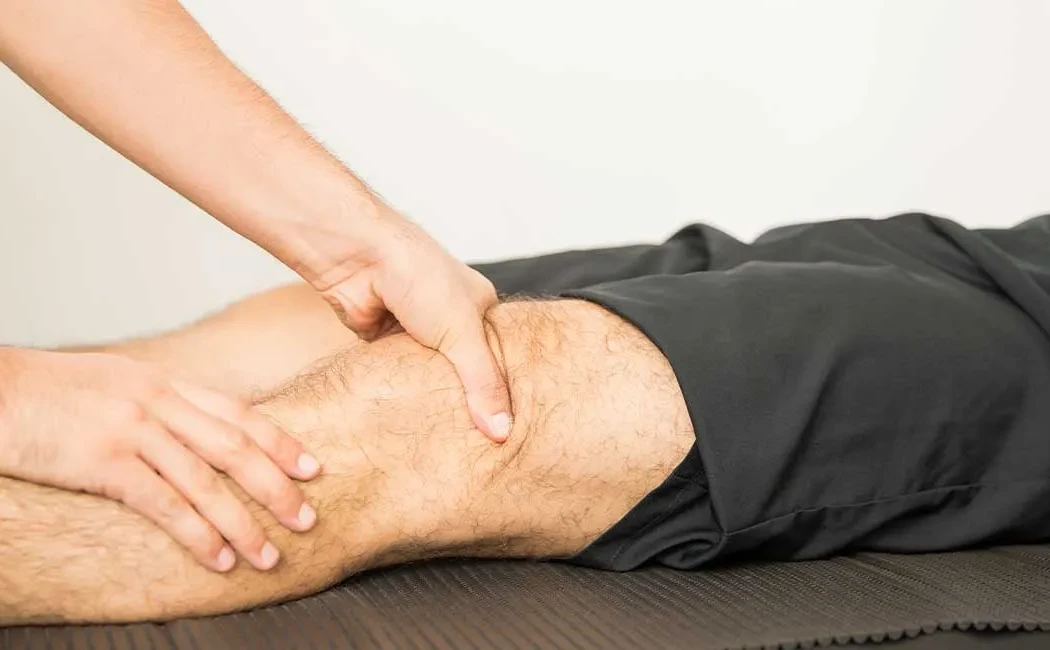
The recovery period following leg lengthening surgery is one of the most critical phases that determine the success of the operation and how quickly patients return to their daily lives. This process involves not only the gradual bone lengthening but also the adaptation of muscles, nerves, and soft tissues to the new bone length, requiring a multidisciplinary approach. Patients’ physical and psychological preparedness during this stage positively affects the treatment outcome.
The recovery period includes hospital stay, home care, intensive physical therapy, and the consolidation phase (bone healing). Each phase demands attention to specific medical requirements and precautions. This guide outlines each step patients will encounter after surgery, key risks to watch for, and detailed rehabilitation guidance.
Overall Recovery Process After Leg Lengthening Surgery
Recovery during leg lengthening begins immediately after leaving the operating room and continues until the bones fully harden and regain their strength. It is important for patients to understand the process after bone lengthening surgery to manage expectations effectively.
Stages of the Recovery Process
Recovery is generally divided into three phases: the latent phase, distraction (lengthening) phase, and consolidation (healing) phase. The latent phase lasts 5-7 days post-surgery to allow initial bone healing to begin. Then follows the distraction phase, during which bones are lengthened approximately 1 mm per day. Once the lengthening is complete, the consolidation phase starts, where the new bone tissue hardens. The duration of recovery varies depending on the target length; for example, achieving a 5 cm increase may take around 6-9 months in total.
Influence of Individual Factors
Each patient’s healing rate is unique. Age, smoking habits, nutrition, and genetic factors directly affect new bone formation. Younger patients tend to heal faster, while older individuals may experience slower regeneration. Chronic illnesses such as diabetes also impact the healing timeline.
Hospital Stay and Initial Days
The hospital period immediately following surgery is crucial for pain management and early mobilization. Infection prevention measures are implemented, and patients are trained to use assistive devices.
Length of Hospital Stay
The hospital stay varies depending on the method used (combined method, magnetic nail, etc.) and the patient’s overall condition, usually lasting 3 to 7 days. During this time, intravenous antibiotics and pain medications are administered. Prior to discharge, patients should be able to manage basic needs either independently or with a walker.
Care During the First Days
Managing swelling and pain are priorities in the first days. Elevating the leg above heart level reduces swelling. Strict sterile dressing changes and monitoring for infection signs (redness, increased warmth, discharge) are essential precautions listed in the postoperative care guidelines.
Physical Therapy and Rehabilitation
Physical therapy is a crucial component of the lengthening procedure. Regular exercises maintain muscle flexibility and prevent joint stiffness.
When to Start Physical Therapy
Physical therapy typically begins the day after surgery with in-bed exercises. Maintaining joint mobility throughout the lengthening process is vital since muscles will be stretched. Starting rehabilitation early supports faster independent walking. Restrictions on sports activities after surgery are explained by the physiotherapist during this period, as detailed in post-surgery exercise guidelines.
Examples of Exercises and Rehabilitation Program
The program includes stretching, strengthening, and walking exercises. Stretching the Achilles tendon and hamstring muscles is particularly important to prevent knee and ankle contractures.
Patients are usually expected to dedicate at least 1-2 hours daily to physiotherapy exercises. Consistency is key to achieving the desired height increase without complications.
Walking Timeline and Supportive Devices
One of the most commonly asked questions is when patients can walk without assistance. This depends significantly on the surgical technique (for example, Precice or LON method) used.
When Can Walking Begin?
In methods that limit full weight-bearing, such as magnetic nails (Precice), full weight is typically not allowed until bone formation reaches a sufficient level, often 1-2 months after the lengthening phase ends. In combined methods or Ilizarov fixators, patients can start partial weight-bearing immediately as allowed by the device. Complete independent walking is only possible once consolidation is complete.
Use of Walking Aids
During recovery, crutches, walkers, or wheelchairs might be necessary. These support devices protect the new bone from excessive load and help maintain balance.
Pain Management Strategies
Pain during lengthening usually originates from stretched soft tissues (muscles, nerves), not the bone itself. Effective pain management enhances patient comfort and adherence to physical therapy. More details are available in postoperative pain management.
Non-Pharmacological Methods
Cold therapy (ice packs), leg elevation, and relaxation techniques help reduce pain. Regular stretching exercises also alleviate pain caused by muscle spasms.
Medication Under Medical Supervision
Painkillers prescribed by the physician are used according to pain severity. Typically, acetaminophen or nonsteroidal anti-inflammatory drugs (NSAIDs) are preferred, while medications that might negatively affect bone healing are avoided.
Possible Complications and Risks
As with any surgery, leg lengthening carries risks. Awareness of potential complications increases the chance of early intervention.
Common Complications
The most frequent issues include pin-site infections, joint stiffness, and swelling. More serious but less common complications include nerve injuries or deep vein thrombosis, classified under complications of limb lengthening surgery. Slow bone healing might require nonunion surgery or correction surgery if bones heal in improper alignment (malunion surgery).
Managing Complications
Infections are treated promptly with antibiotics. Physical therapy is intensified to address joint stiffness. If nerve compression symptoms appear (numbness, tingling), the distraction rate may be paused or slowed. All management steps are under close medical supervision.
Medical Disclaimer
The information provided here is for general educational purposes only and does not replace professional medical advice. Leg lengthening surgery is a complex procedure with individualized recovery. Treatment plans, risks, and management should always be discussed with a specialized orthopedic surgeon.
This content is provided for general informational purposes only and does not constitute medical advice. It is not intended to replace individual diagnosis, treatment, or consultation. Diagnosis and treatment should be determined solely through an in-person examination by a qualified healthcare professional. As each patient's clinical condition is unique, surgical or non-surgical interventions may vary accordingly. The information presented is based on current scientific sources and contemporary medical standards. Do not delay seeking professional medical care based on this content.