
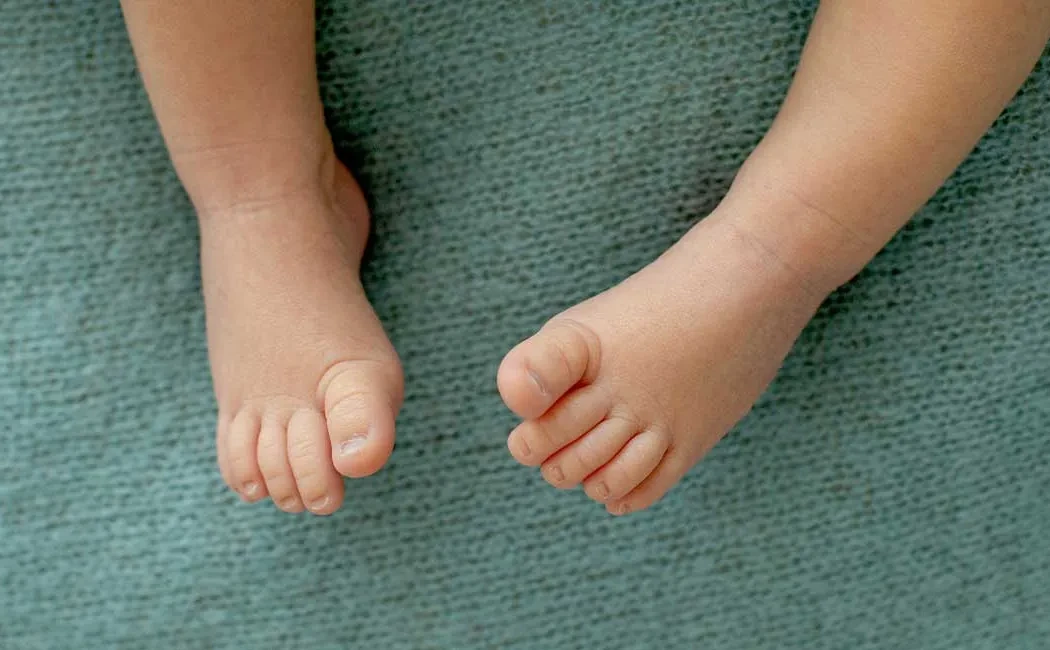
Pes equinovarus is one of the most frequently observed foot deformities in childhood and is commonly known as clubfoot. This deformity is characterized by the foot being turned inward and downward in positions where it should normally not be. Such an abnormality in foot structure can disrupt walking function and negatively affect the child's quality of life. Early diagnosis and appropriate treatment approaches are critical to achieving favorable functional and cosmetic results.
The etiology of pes equinovarus is usually multifactorial, involving genetic factors, fetal positional abnormalities, musculoskeletal anomalies, and rarely neuromuscular diseases. Congenital pes equinovarus may be unilateral or bilateral and is a common problem in pediatric orthopedic practice.
Clinically, the diagnosis of pes equinovarus involves a foot fixed in an inward and downward-turned position, inward rotation of the heel bone (varus), an equinovarus position of the ankle joint, and the forefoot turning inward. Difficulty fitting shoes, inadequate heel contact with the ground during walking, and a visible deformity generally noticed by the family are the main symptoms.
Physical examination plays a primary role in diagnosis. Evaluation includes assessing the patient's passive and active foot range of motion, presence of contractures, and condition of joint surfaces. Imaging techniques such as X-rays are used to evaluate the bone structure and angular deformities, which are especially important for treatment planning by measuring the angles of foot joints.
Treatment options initially focus on conservative methods during the early period. The Ponseti method—the gold standard for treating pes equinovarus—involves serial casting and manipulation techniques. This method corrects the deformity in the foot over several weeks, and early initiation increases the success rate. The Ponseti protocol typically requires 5–6 sessions of manipulation and cast changes, sometimes followed by minor surgical interventions such as Achilles tendon lengthening.
Surgical treatment becomes necessary in patients who do not respond to conservative therapy, have unresolved deformities, or present late. The aim of surgery is to correct the deformity, restore function, and enable pain-free walking. Surgical techniques include soft tissue releases, tendon transfers, osteotomies, and joint fusions. Limb reconstruction surgery techniques are especially critical for successful pes equinovarus treatment. Postoperative rehabilitation should be carefully planned with regular physiotherapy sessions.
A multidisciplinary approach is required for treating pes equinovarus, as important as early diagnosis. Collaboration among orthopedic specialists, physical therapists, and the family supports the treatment process. Delayed treatment may lead to permanent functional loss and severe deformities; therefore, regular orthopedic follow-up for children is essential.
Untreated foot deformities in childhood can severely impact quality of life. Abnormal pressure distribution may result in skin wounds, painful walking, postural problems, and joint degeneration. Hence, early recognition and application of an appropriate treatment protocol for pes equinovarus are necessary.
In summary, pes equinovarus is a common foot deformity in children where accurate diagnosis and treatment yield high functional success. Surgical procedures are successfully performed in cases unresponsive to conservative methods, significantly enhancing the children's quality of life.