
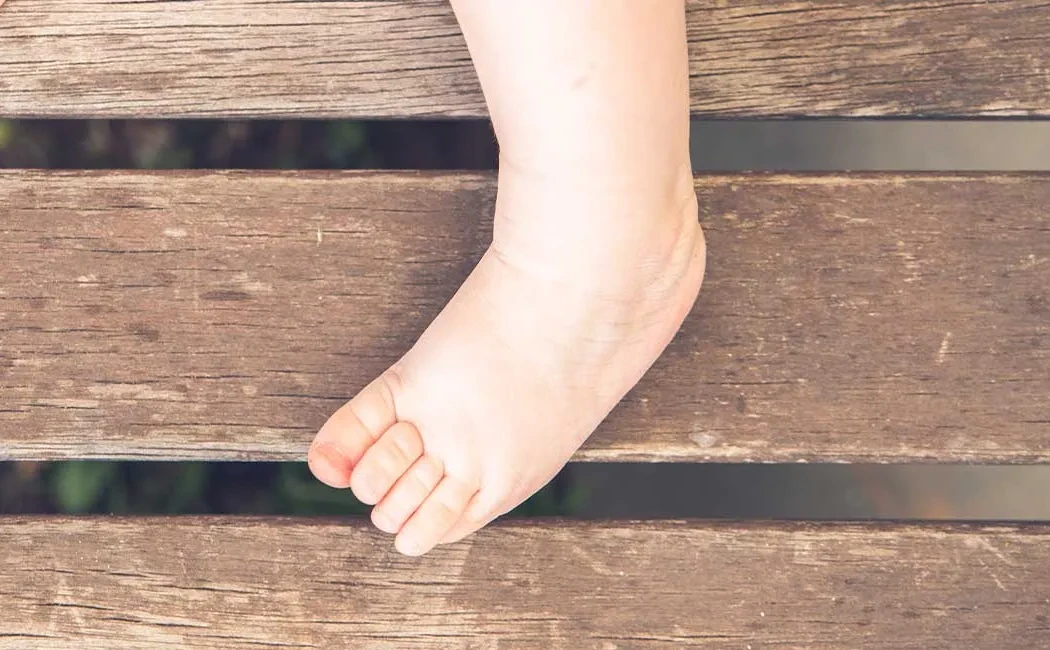
Congenital deformities in children typically arise from anomalies in the development of bones, joints, or soft tissues, leading to structural abnormalities. Untreated, these deformities can reduce a child’s functional capacity, cause pain, limit mobility, and create aesthetic concerns. Modern orthopedic science has developed effective surgical techniques to address these problems.
The causes of congenital deformities include genetic factors, environmental influences during pregnancy, placental complications, toxic exposures, or unknown molecular pathologies. Common congenital deformities include flexion contractures, limb shortening, clinical dislocations, bone curvature, and malformations.
The diagnostic process involves thorough physical examination supported by various imaging modalities. X-rays, ultrasonography, computed tomography (CT), and magnetic resonance imaging (MRI) are used to evaluate the bone structure, joint condition, and soft tissues of the child. The degree and type of deformity are critical in surgical planning.
Surgical treatment approaches are determined based on the location and severity of the deformity as well as the overall condition of the patient. Modern external fixation techniques like the Ilizarov method are successfully applied for limb lengthening, deformity correction, and treatment of non-union. This method allows controlled bone distraction and lengthening while simultaneously enabling soft tissue adaptation.
Limb reconstruction surgery is preferred in cases where the deformity disrupts the anatomical structure. Comprehensive interventions such as bone grafting, osteotomy (bone cutting), and joint replacement aim to restore the patient’s normal or near-normal functional level. In children, special attention is given to preserving growth plates and using joint-sparing techniques to avoid impairing development.
Cosmetic lengthening surgery is applied particularly for limb asymmetry or short stature, focusing on aesthetic improvement. These procedures enhance not only functional abilities but also the child’s psychosocial well-being and quality of life.
Complications such as bone and soft tissue infections or bone tumors, whether congenital or acquired later, must be carefully evaluated before and after surgery. Early diagnosis of infections, appropriate antibiotic treatments, and sterile surgical environments are critical.
Congenital deformities in pediatric sports medicine encompass musculoskeletal issues that develop in parallel with a child’s mobility. Hip and knee joint replacement surgeries are options typically reserved for older children and young adults. Early intervention is essential to support natural physical development.
Alongside surgery, rehabilitation and physical therapy play a crucial role in treatment. Regulating muscle function, maintaining joint range of motion, and enhancing muscle strength are vital for sustaining surgical outcomes.
Experienced orthopedic specialists like Prof. Dr. Halil İbrahim Balcı offer effective, evidence-based solutions through a multidisciplinary approach to congenital deformities in children. Advances in this field significantly improve children’s quality of life and functional independence.