
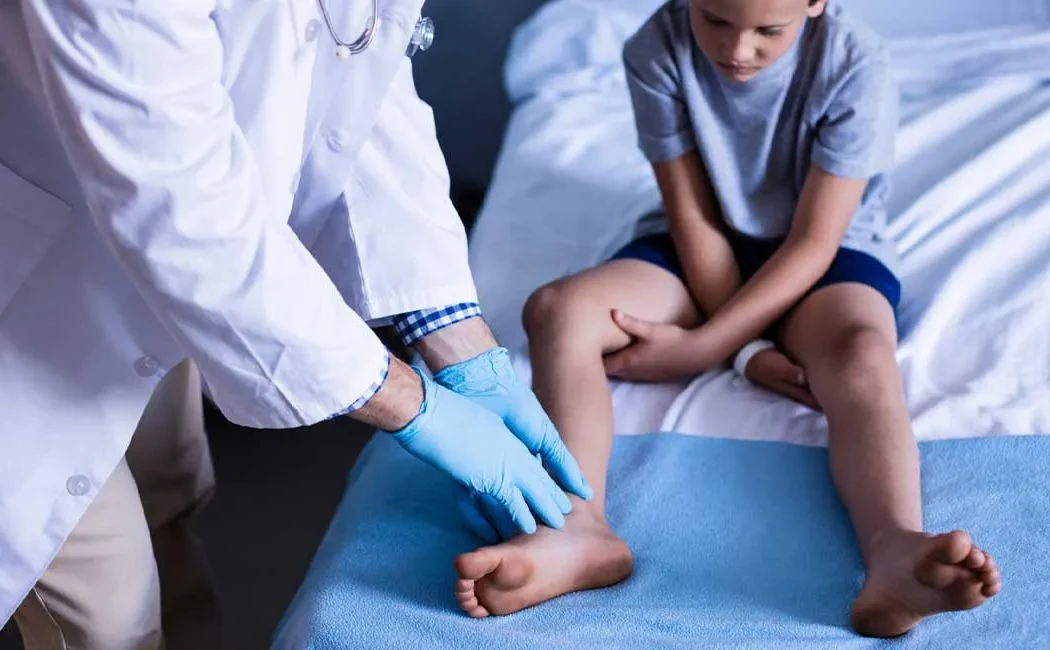
Childhood is the period of fastest growth and change in the musculoskeletal system. During this dynamic phase, variations observed in bones, joints, or muscles can sometimes be a normal part of development, while in other cases, they may indicate pathologies leading to lasting problems. Pediatric orthopedics and deformities encompass the delicate evaluation, diagnosis, and treatment of congenital or acquired musculoskeletal conditions requiring specialized care.
It is natural for parents to worry about their child's physical development. Issues such as gait abnormalities, posture problems, or limb shape differences can be managed far more effectively when detected early. This guide aims to provide scientific and up-to-date information on pediatric orthopedic concerns, enabling families to make informed decisions throughout treatment.
What Is Pediatric Orthopedics?
Pediatric orthopedics is the medical specialty focused on musculoskeletal disorders in individuals from newborns through adolescence. The fundamental distinction from adult orthopedics lies in the fact that children are still growing and developing. This increases bone healing potential but also requires more precise planning of diagnosis and treatment due to the presence of growth plates (physiological growth areas).
The American Academy of Pediatrics (AAP) and similar international organizations recommend regular musculoskeletal screenings in children from birth onward. Pediatric orthopedics addresses congenital anomalies, developmental hip dysplasia, clubfoot, infections, tumors, and trauma-related fractures or dislocations.
Common Orthopedic Deformities in Children
Deformities in children can be physiological (normal aspects of development) or pathological (requiring treatment). Differentiating these is vital to avoid unnecessary interventions or prevent delayed treatment. For detailed information, see our article on common pediatric orthopedic deformities.
Scoliosis (Spinal Curvature)
Scoliosis involves lateral curvature and rotation of the spine, often becoming apparent during the adolescent growth spurt. Early diagnosis is critical to halt progression. Severe curvatures may require surgery, while mild cases are monitored with observation and braces. For detailed treatment options, visit our pediatric scoliosis treatment page.
Flat Feet
Flat feet (pes planus) are among the most common concerns parents report. Most children have flexible flat feet, usually painless and not requiring treatment. However, rigid flat feet or painful conditions may indicate underlying bony issues such as tarsal coalition and warrant specialist evaluation.
Hip Dysplasia
Developmental Hip Dysplasia (DHD) is a condition where the hip joint is underdeveloped or dislocated. Early diagnosis through newborn ultrasound screening allows effective treatment with simple bracing methods (e.g., Pavlik harness). Untreated cases can lead to permanent disability and early osteoarthritis.
Bowlegs and Knock Knees
Leg alignment variations are normal at specific ages. Bowlegs (genu varum) are common in infants, while knock knees (genu valgum) typically appear around 3–4 years. Legs usually reach adult alignment by ages 7–8. Excessive, unilateral, or persistent deformities may be pathological. For evaluation criteria, see our article on knee deformities in children.
Congenital Deformities and Diagnostic Process
Congenital deformities arise from structural abnormalities during fetal development. Well-known examples include clubfoot (pes equinovarus), fibular hemimelia (absence of fibula), and proximal femoral focal deficiency. Managing these complex conditions requires a multidisciplinary team approach.
Diagnosis often begins with prenatal ultrasonography, continuing with postnatal physical examination, X-rays, and when necessary, MRI or CT imaging. Surgical and nonsurgical planning by an experienced team aims to maximize functional outcomes. Additional information is available on congenital deformities and surgical solutions and lower limb deformities in childhood.
Growth Plates and Developmental Issues
Growth plates, or epiphyseal plates, are cartilage areas at the ends of children's bones responsible for longitudinal growth. They are more susceptible to injury than adult bone. Fractures or infections involving growth plates may cause limb shortening or angular deformities.
Damage to growth plates or genetic disorders affecting them are discussed in bone growth disorders in children. Monitoring these conditions should continue regularly until growth completion.
Treatment Methods for Deformities
Pediatric orthopedic treatment follows the principle of “do no harm.” Treatment plans are tailored based on the child’s age, deformity severity, and risk of progression.
Physical Therapy and Orthotic Use
Many mild deformities and postural issues can be managed without surgery through physical therapy exercises, special footwear, or orthoses (insoles, braces, splints). For instance, mild scoliosis may be controlled with Schroth exercises and brace use to prevent progression. In neuromuscular diseases like cerebral palsy, muscle-relaxing rehabilitation programs form the foundation of treatment.
Surgical Interventions
Surgery is considered when conservative treatments fail or deformities are progressive. Minimally invasive techniques dominate modern pediatric orthopedics. Limb lengthening surgeries (e.g., Ilizarov and magnetic nail methods) show successful outcomes, especially in limb length discrepancies and severe curvatures. Additionally, nonunion surgery and treatment play a crucial role in restoring bone integrity when healing is delayed.
Supporting Bone Health in Children
A strong skeletal system is built during childhood. The World Health Organization (WHO) emphasizes the importance of adequate nutrition and physical activity for healthy bone development. A diet rich in calcium and vitamin D enhances bone mineral density.
Encouraging age-appropriate sports activities improves muscle strength and coordination, reducing injury risks.
When to Consult a Pediatric Orthopedist?
Children grow at varying rates, but some warning signs need specialist evaluation. Persistent pain (especially night pain), unilateral swelling, limping, limited joint movement, or visible asymmetry should not be ignored. According to Mayo Clinic data, pain lasting longer than three days and interfering with activity warrants assessment.
Early diagnosis significantly improves treatment success. When in doubt, obtaining a second opinion from a pediatric orthopedic specialist is a prudent step for your child's long-term quality of life.
This content is provided for general informational purposes only and does not constitute medical advice. It is not intended to replace professional diagnosis, treatment, or consultation. Diagnostic and treatment decisions should only be made following a direct evaluation by a qualified healthcare professional. Since each patient's clinical condition is unique, surgical or non-surgical interventions may vary accordingly. The information provided is based on current scientific evidence and contemporary medical practices.