
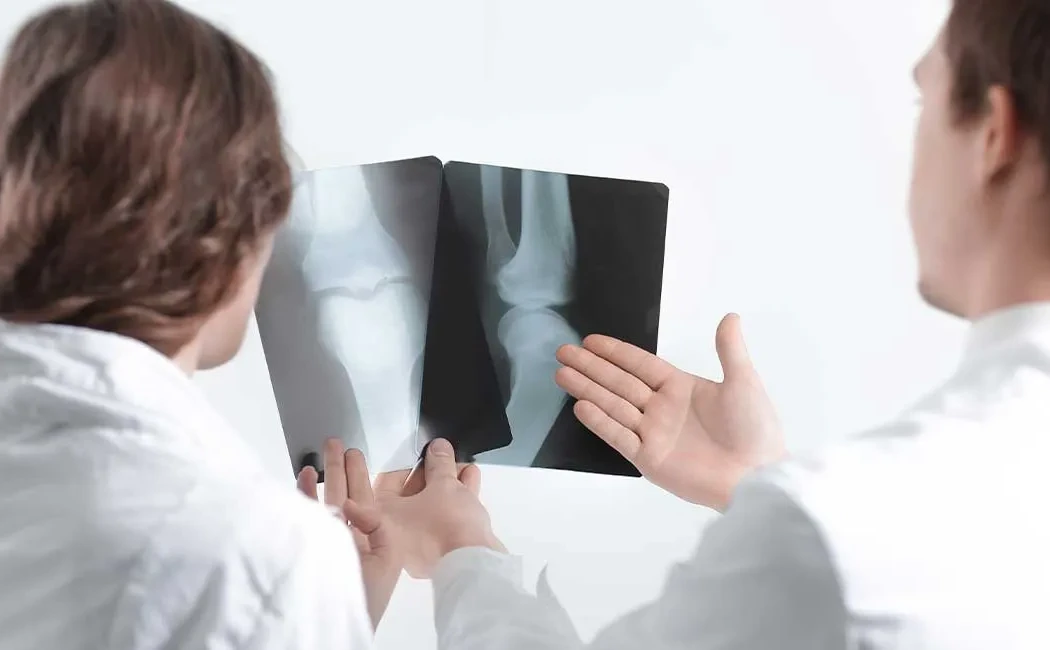
Chronic degenerative knee diseases such as knee osteoarthritis represent a major health problem, often requiring knee replacement surgery in advanced stages. However, thanks to advances in orthopedic surgical techniques, various joint-preserving interventions can be applied before transitioning to knee arthroplasty. These joint-preserving surgeries aim to reduce patient pain, prevent functional loss, and delay the need for prosthesis as much as possible.
Joint-preserving surgeries generally involve procedures designed to correct deformities in the knee, optimize load distribution, and ensure more balanced functioning of joint surfaces. To understand how and when these surgeries are applied, it is essential first to review the mechanism of knee osteoarthritis. The disease is typically characterized by degeneration of the articular cartilage and subchondral bone, often more pronounced in the medial or lateral compartments of the knee, leading to axis misalignments.
Osteotomies are among the primary joint-preserving surgeries. Valgus or varus corrective osteotomies performed particularly on the tibia and femur effectively alter load distribution, protecting the overly burdened area of the knee. This slows cartilage damage progression and allows patients to maintain functionality with their natural joint for a longer period. Literature reports indicate that such surgeries can extend the time before knee replacement by 8 to 10 years.
Another joint-preserving approach involves arthroscopic surgeries. The goal here is to surgically correct intra-articular issues such as meniscal tears, cartilage damage, and inflammation. Techniques like arthroscopic debridement and microfracture cartilage stimulation promote healing and pain control in small areas of the joint surface. However, these methods are generally insufficient for patients with advanced deformities and are primarily suitable for early-stage disease.
Additionally, the Ilizarov method and reconstructive surgeries, which correct limb length and deformities, can reduce load on the joint, especially in post-traumatic deformities, providing a protective effect. As demonstrated in the works of Prof. Dr. Halil İbrahim Balcı, these techniques are applied not only in institutional orthopedic clinics but also with multidisciplinary teams to enhance success rates.
Effective use of joint-preserving surgeries relies heavily on proper patient selection. Success rates are higher in cases with minimal structural deformity, limited cartilage loss, and overall good health suitable for surgery. Moreover, patient adherence to postoperative rehabilitation and lifestyle modifications critically influences long-term outcomes.
Knee replacement is typically recommended when patient pain is uncontrollable, daily activities are severely limited, and advanced osteoarthritis is present. However, joint-preserving surgeries can postpone the need for prosthesis by several more years. This delay is particularly crucial for younger, active patients. It also offers a valuable timeframe to enhance prosthesis lifespan and long-term success.
With recent advancements in stem cell therapies and biological treatments, biologically supported joint-preserving surgeries are being explored. Combining these regenerative applications with surgical techniques aims to improve effectiveness in cartilage repair.
In summary, joint-preserving surgeries not only delay progression to knee replacement in osteoarthritis but also reduce pain and functional loss, enhancing patients' quality of life. Under the scientific expertise of Prof. Dr. Halil İbrahim Balcı, proper indication and application of these methods yield successful results. Besides surgical interventions, patient education, physical therapy, and lifestyle management remain integral components of an effective treatment approach.