
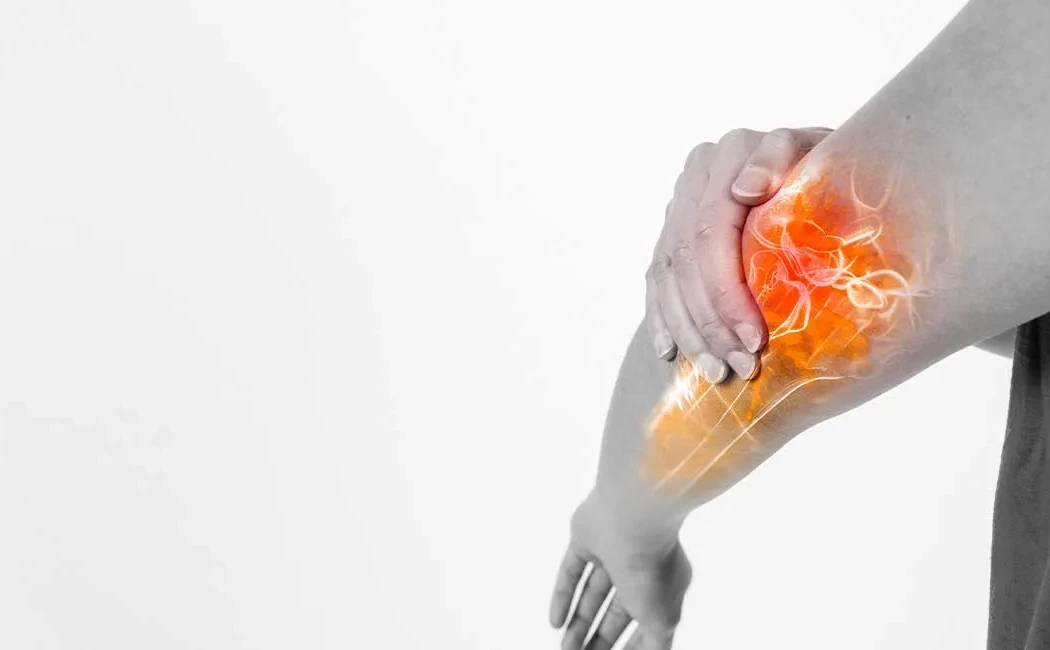
Bone infection (osteomyelitis) is among the most challenging clinical conditions in orthopedics and traumatology. Caused by bacterial or fungal pathogens settling in bone tissue, this condition can lead to severe bone loss, deformities, and systemic health issues if left untreated. Bone infection treatment is a comprehensive process aimed not only at eradicating the infection but also at preserving the functional capacity of the affected limb.
Accurate diagnosis, targeted antibiotic therapy, and advanced surgical techniques when necessary are vital components of this treatment. Especially in chronic or post-traumatic infection cases, standard approaches may be insufficient, and reconstructive surgical expertise becomes essential. Prof. Dr. Halil İbrahim Balcı combines his academic background and clinical experience to offer patient care based on the latest scientific evidence.
What is Bone Infection (Osteomyelitis)?
Osteomyelitis is defined as the inflammation of the bone marrow and the surrounding bone tissue. Infection can spread hematogenously (via the bloodstream), directly through open fractures or surgery, or from adjacent soft tissue infections. The rigid structure of bone tissue and its vascular characteristics pose challenges for treatment once the infection is established.
The condition is classified as acute or chronic. Acute osteomyelitis typically presents with rapid symptom onset, whereas chronic cases may persist for months or years, often marked by recurrent discharge and dead bone fragments (sequestra). Both types require careful evaluation by a specialist.
Causes and Risk Factors of Bone Infection
The most frequent cause of bone infection is *Staphylococcus aureus*. However, the causative microorganism can vary depending on the patient’s immune status and infection source. Key risk factors include:
- Trauma: Open fractures or injuries exposing bone to the external environment.
- Surgical Procedures: Implants used in prosthetic surgeries or fracture fixation.
- Circulatory Disorders: Conditions like diabetes, vascular disease, or smoking that impair tissue perfusion.
- Immune System Disorders: Patients undergoing chemotherapy or with chronic illnesses.
Symptoms: When to Suspect Bone Infection?
Symptoms vary according to the type of infection (acute or chronic) and patient age. Acute cases often present more overtly, while chronic infections may be more subtle.
Common symptoms include:
- Intense, persistent pain in the affected area.
- Local swelling, redness, and increased warmth.
- High fever, chills, and fatigue (mostly in acute stages).
- Non-healing wounds or skin discharge (sinus tract formation).
- Restricted joint movement.
Prompt consultation with an orthopedic specialist is crucial if any of these symptoms occur, as early intervention significantly improves treatment outcomes.
Diagnostic Process and Methods Used
An accurate treatment plan begins with a definitive diagnosis. After taking a detailed medical history and performing a physical exam, physicians order laboratory and imaging tests. Blood tests such as CRP (C-reactive protein), sedimentation rate, and white blood cell count help ascertain the presence and severity of infection.
X-rays are fundamental in showing bone structural changes but may not reveal early-stage infections. Magnetic Resonance Imaging (MRI) is the most sensitive technique for early detection and soft tissue involvement. Definitive diagnosis and pathogen identification often require biopsy or culture sampling.
Bone Infection Treatment Methods
Treatment is tailored according to the infection stage, patient’s overall health, and causative microorganism. The primary goal is complete eradication of infection and preservation of limb function. Antibiotics and surgical treatments usually proceed concurrently.
For more detailed information on the timing and necessity of surgery, please see our article on surgical indications in bone infections.
Antibiotic Treatment and Duration
Antibiotics are a cornerstone of bone infection management. Specific antibiotics are selected based on culture results and administered intravenously or orally depending on infection severity. The treatment duration typically ranges from 4 to 6 weeks or longer.
When is Surgery Necessary?
Surgery becomes essential if antibiotics alone are insufficient, in the presence of dead bone tissue (sequestra), or implant-associated infections. Surgical intervention includes removal (debridement) of infected tissue, irrigation of the site, and, if needed, placement of antibiotic-impregnated materials.
Differences Between Chronic and Acute Bone Infections
Acute and chronic osteomyelitis differ in clinical course and treatment strategies. Acute infections usually respond promptly to antibiotics, whereas chronic infections tend to be more resistant and require surgical intervention.
In chronic cases, bacteria can form protective biofilms within dead bone fragments, rendering antibiotic treatment alone ineffective. Mechanical removal of infected tissue is therefore necessary.
Surgical Complications and Reconstruction Techniques
Advanced bone infections can cause complications such as bone loss, non-union, or deformities. These require reconstructive surgical techniques beyond infection eradication.
Repair of bone defects and treatment of non-unions with infection are planned collaboratively, as explained in our article on non-union surgery and infection management. After infection clearance, bone voids can be filled using bone grafts or the Ilizarov method.
Challenges typically encountered and their management include:
- Deformity Correction: Post-infection bone curvature or shortening is addressed with limb lengthening and deformity correction surgeries.
- Malunion: Improper healing of infected bone necessitates concurrent malunion surgery and infection control.
- Bone Lengthening: Protocols for bone lengthening after debridement-induced shortening are outlined in bone lengthening and post-infection treatment.
- Lower Limb Issues: Infections in weight-bearing bones can disrupt gait mechanics. These cases focus on lower limb deformity surgery and managing infection complications.
Bone Infection and Treatment Approaches in Children
Bone infections in children require special consideration as they may affect growth plates. Early diagnosis and treatment are critical to prevent permanent growth disturbances and deformities.
Due to differences in immune response and bone structure, children should be managed by an experienced multidisciplinary team, as described in our article on pediatric bone infection and deformity treatment. Untreated infections in children may result in significant limb length discrepancies.
Current Approaches and Scientific Advances in Treatment
Recent medical advances are opening new possibilities in bone infection treatment. Biocomposite materials, locally delivered antibiotics, and therapies targeting bacterial biofilms are improving treatment outcomes.
For more details on innovations, please visit our article on new developments in bone and soft tissue infection treatment. Prof. Dr. Balcı closely follows international literature and integrates these advances into his clinical practice.
Bone infection treatment demands patience and specialized expertise. With appropriate medical guidance and treatment planning, it is possible to control infection and restore quality of life.
The information provided herein is intended solely for general informational purposes and does not constitute medical advice. It is not a substitute for professional diagnosis, treatment, or guidance. Diagnostic and treatment decisions should be made only following an in-person consultation with a qualified healthcare provider. Since each patient's clinical condition is unique, surgical and non-surgical interventions may vary accordingly.