Nonunion fractures present a significant treatment challenge in orthopedics. Bone grafts applied in such cases support the healing process by facilitating the formation of a solid bone structure. This article thoroughly examines the types of bone grafts used in nonunion fractures, their advantages, and application areas.
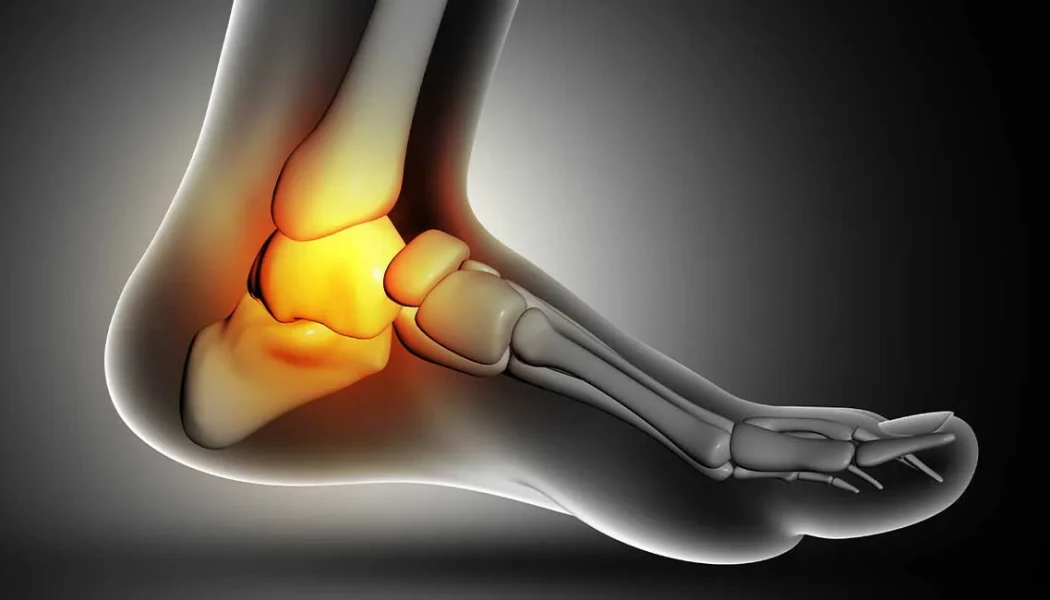
Nonunion fractures, defined as the failure of fractures to heal properly, are a common and significant complication encountered in the fields of orthopedics and traumatology. In medical terminology, this condition is referred to as “nonunion.” Nonunions can arise due to various factors such as microenvironment disruptions, insufficient blood circulation, and infections. In these situations, bone graft application is an important treatment method to support the reunion of the fractured bone.
Bone grafts enhance the body's natural healing capacity by activating the bone union process. This article explores the different types of bone grafts used in nonunion fractures, their compositions, and their advantages from a scientific perspective.
First, defining the concept of bone graft is useful. Bone grafts are biologic or synthetic materials applied to fill bone defects, provide mechanical support, and stimulate new bone formation. They are designed based on three key properties: osteogenesis (the ability to form new bone), osteoinduction (the capacity to trigger bone formation), and osteoconduction (providing a matrix for new bone growth).
The main types of bone grafts used in treating nonunion fractures are as follows:
1. Autografts (Bone Grafts Taken from the Patient's Own Bone)
Autografts consist of bone tissue harvested from the patient’s own body, usually from sites such as the pelvic crest, tibia, or fibula, and transplanted to the nonunion site. The greatest advantage of autografts is that they contain osteogenic cells, osteoinductive factors, and an osteoconductive matrix, which is why they are reported to be effective in promoting healing. Additionally, as the patient’s own tissue is used, the risk of allergy or tissue rejection is very low. However, harvesting the graft requires an additional surgical site, which may lead to morbidity issues such as pain or infection. Autografts are typically preferred when accelerated bone healing is necessary, or when the biological environment is insufficient.
2. Allografts (Grafts Taken from Another Individual)
Allografts are donor bone tissues that have been sterilized and processed before use. They are commonly obtained from bone banks. The advantages of allografts include eliminating the need for an additional surgical site and their wider availability in large quantities. However, allografts lack osteogenic cells, therefore providing only osteoconductive support. While the risk of infection and immunological reaction is very low, it is not completely absent. In cases of large defects or when autografts alone are insufficient, allografts can be used as supportive grafts.
3. Synthetic Bone Grafts
With advances in biomaterial technology, various synthetic bone grafts have been developed in recent years. These include hydroxyapatite, tricalcium phosphate, bioceramic materials, and polymer-based grafts. Synthetic grafts are osteoconductive and gradually resorb and transform into bone tissue within the body. Their chemical purity and mechanical strength vary. The benefits of synthetic grafts include a very low risk of disease transmission, unlimited availability, and sterile nature. Their downside is that they have less potent osteoinductive capabilities compared to autografts. Synthetic grafts are often used as supportive materials in treating nonunion fractures, especially in smaller defects or combined with other graft types.
Choosing the appropriate bone graft in the treatment of nonunion depends on the patient’s overall condition, size of the fracture, presence of infection, and local blood circulation. Sometimes a combination of autografts, allografts, and synthetic grafts is preferred to support more effective healing. The surgeon’s experience and patient compatibility also play critical roles in graft selection.
During bone graft application, the underlying cause of the nonunion must be thoroughly assessed. Ensuring mechanical stabilization, treating any infection, and providing nutritional support alongside bone grafting significantly increase the likelihood of bone union.
In summary, the primary purpose of bone grafting in nonunion fractures is to support the biological environment of the bone and trigger new bone formation. Autografts, with all three key properties, are considered the ideal grafts, while allografts and synthetic grafts serve supportive roles in different clinical scenarios.
Frequently Asked Questions
Bone grafts in nonunion fractures support the bone healing process by improving the mechanical and biological environment. The graft provides a foundation for new bone formation and accelerates the union of the fractured site.
Autografts are bone tissues taken from the patient’s own body and possess complete osteogenic, osteoinductive, and osteoconductive properties. Allografts are sourced from another individual, usually sterilized, have osteoconductive properties, and carry a very low but existing risk of immunological reaction.
Synthetic bone grafts are primarily used in small bone defects or combined with other graft types. Their advantages include no infection risk and sterility, but their osteoinductive capacity is limited.
After graft application, it is crucial to control infection, maintain mechanical stabilization, ensure adequate nutrition, and monitor the patient’s overall health. Adherence to the doctor’s recommended follow-up and rehabilitation program is essential.
Mechanical stabilization (screws, plates, nails), electrical stimulation therapy, medications, infection control, and surgical techniques can be used alongside or independently of bone grafting in nonunion fracture treatment.
This article is for general information only and does not replace a medical examination, diagnosis or treatment. Treatment options and outcomes vary from person to person.
Related treatment area Revision Surgery for Complex and Infected Nonunion