
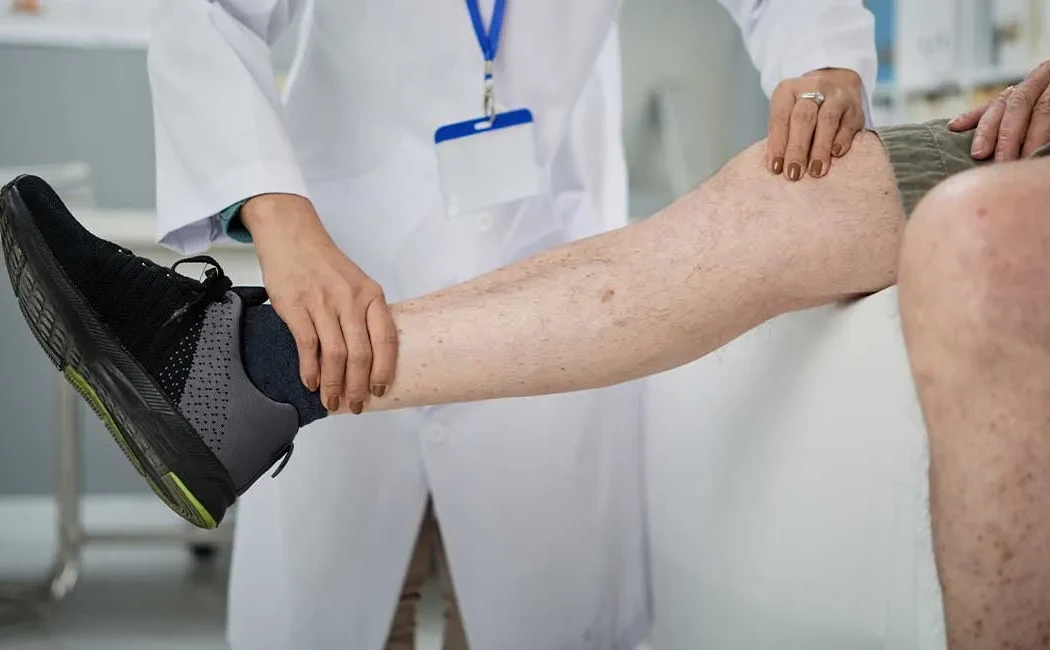
Extremity lengthening surgery is a surgical procedure aimed at increasing height or limb length by extending the bones. This operation is typically performed using the Ilizarov technique or similar methods, which involve gradual controlled separation of the bone segments to stimulate new bone tissue formation in the gap. However, the postoperative healing period is a critical phase, and patients must adhere to important care guidelines to ensure successful outcomes.
Initial Days After Surgery and Hospital Care
The first days spent in the hospital after extremity lengthening surgery are vital for stabilizing the operated area, managing pain, and preventing infection. It is essential to use the prescribed medications regularly for effective pain control. Additionally, antiseptic treatments and wound care are necessary to reduce the risk of infections. To minimize swelling, it is recommended to keep the affected limb elevated above heart level. Controlled exercises under the supervision of a physiotherapist should begin early to maintain joint function and mobility.
Important Considerations During the Lengthening Process
The lengthening phase typically involves the gradual daily separation of the bone segments by a few millimeters. Regular follow-ups and clinical assessments either at home or in a hospital setting are very important. Patients must strictly follow the prescribed rate of bone distraction, as exceeding the recommended speed can cause overstretching of bones and soft tissues, nerve and vascular damage. It is also crucial for patients to keep the lengthening devices (Ilizarov or external fixators) clean and report any mechanical problems promptly.
Importance of Physical Activity and Rehabilitation
During the postoperative period, controlled and planned exercises play a significant role in supporting bone growth. Physical therapy is required to strengthen muscles and preserve joint range of motion. However, patients should avoid excessive strain or sudden movements. It is important to be cautious against bending, twisting, or sudden impacts during daily activities. Physical therapy programs should be individualized and coordinated between the surgeon and physiotherapist.
Precautions Against Infection and Complications
Infection of the bone and soft tissues is a serious concern in extremity lengthening surgeries. Pin-site infection at the entry points of the external devices can occur, making regular cleaning and care of these areas mandatory. Any signs of redness, discharge, severe pain, or swelling should prompt immediate medical consultation. Early diagnosis of pin-site infections allows effective control with antibiotics. Moreover, symptoms such as loss of sensation, weakness, or circulation problems related to nerve or vascular injury require urgent expert evaluation. Risks such as blood clots due to prolonged immobility should be prevented with suitable measures.
Nutrition and General Health Support
Proper nutrition plays a vital role in bone healing and growth. A diet rich in proteins, calcium, vitamin D, and minerals accelerates bone recovery. Smoking negatively affects bone healing and cessation is highly recommended. Similarly, alcohol consumption should be controlled during the healing process. Patients are advised to maintain regular sleep patterns, keep stress at a manageable level, and monitor their overall health to positively influence treatment success.
Mobilization and Daily Life After Lengthening
After the lengthening phase is complete, the devices typically remain in place for a certain period to allow the bones to consolidate and gain strength. During this phase, patients gradually increase their daily activities. Walking training, balance exercises, and muscle strengthening programs continue. Patience and following the doctor’s guidance closely are critical during this period.
Psychological Support During Recovery
Extremity lengthening surgery and its lengthy recovery can cause psychological challenges for some patients. Prolonged treatment, limited mobility, and lifestyle changes can affect mental well-being. Psychological support during this time can improve motivation and treatment adherence.
Understanding the important care points after extremity lengthening surgery helps patients reduce complications and achieve the desired functional and aesthetic outcomes more easily. Managing this process with an experienced orthopedic surgeon and a multidisciplinary team is essential.