
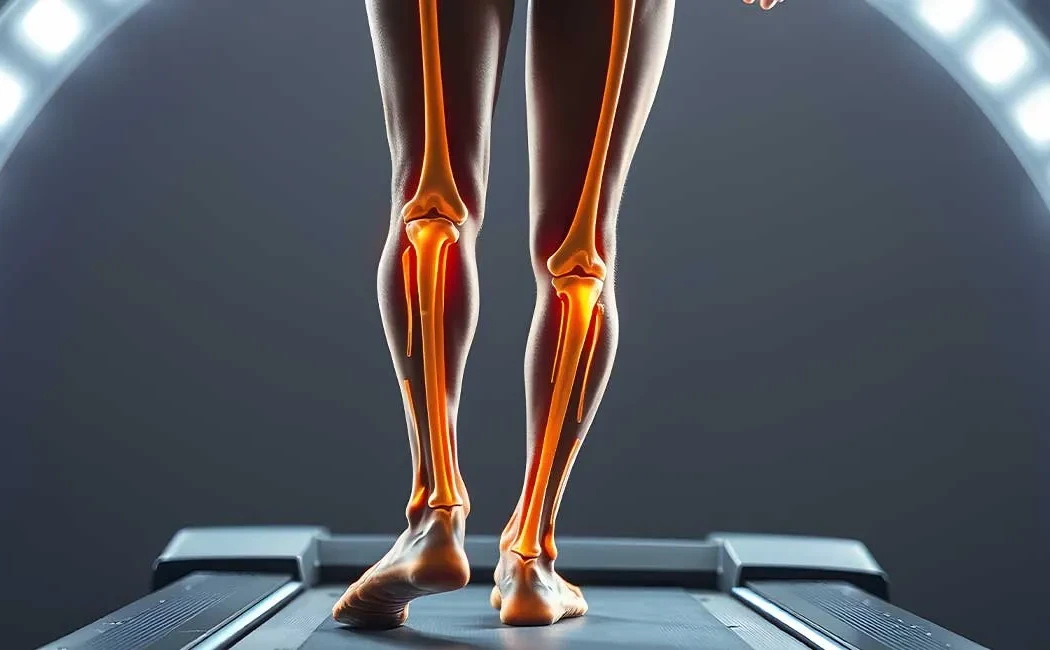
Limb lengthening surgery is a procedure that involves the biological principle called "distraction osteogenesis" to lengthen bone tissue. This surgical intervention is based on cutting the bone (osteotomy) and then gradually separating the cut ends approximately 1 mm per day using specialized devices. The body forms new bone tissue in the gap, resulting in an increase in bone length.
This procedure not only lengthens the bone but also requires surrounding soft tissues (muscles, nerves, vessels) to adapt to the elongation. Considered as part of limb reconstruction in medical literature, these surgeries are performed for both aesthetic concerns and to correct functional impairments. The process demands a multidisciplinary approach that includes surgical technique and postoperative rehabilitation.
When Is Limb Lengthening Surgery Indicated?
Limb lengthening surgery is generally categorized into two main groups: reconstructive (corrective) and cosmetic reasons. In medically necessary cases, the priority is to improve the patient’s quality of life and protect skeletal health. Leg length discrepancies can cause gait problems, spinal curvatures (scoliosis), and joint degeneration, making treatment essential.
This surgery is commonly performed for lower limb deformities, congenital anomalies, growth plate injuries from infections or trauma in childhood. In such cases, lengthening procedures combined with lower limb deformity surgery restore the patient’s biomechanical balance. Additionally, in genetic conditions like dwarfism (achondroplasia), the surgery may be used to improve daily functioning.
Limb Lengthening Surgical Techniques
With advances in technology, the techniques used for limb lengthening surgery have diversified. Each method has specific advantages, disadvantages, and applications. The choice depends on the patient’s anatomy, desired lengthening, financial considerations, and lifestyle.
For more detailed information on limb lengthening surgery techniques, please refer to our related resource.
Ilizarov Method
The Ilizarov method forms the foundation of limb lengthening surgery and has been in use for many years. This technique involves a circular external fixator composed of rings and wires attached to the bone from outside. The Ilizarov limb lengthening process progresses by gradually lengthening the bone at intervals (usually 4 times 0.25 mm per day).
Its main advantages are allowing three-dimensional correction of deformities and being more cost-effective compared to other methods. However, the external device must remain on the limb for a prolonged period, which can reduce comfort and carries infection risks at pin sites.
LON (Lengthening Over Nail) Method
The LON method is a hybrid technique combining an external fixator with an intramedullary nail inserted inside the bone. Lengthening is carried out using the external device, but once the desired length is reached, the internal nail is locked and the external fixator removed.
This approach significantly decreases the time the external fixator stays attached, increasing patient comfort and allowing earlier rehabilitation. However, using an internal nail does not eliminate infection risk completely and requires a surgeon experienced in this technique.
PRECICE and Other Modern Techniques
PRECICE and similar advanced methods utilize magnetic nails fully implanted within the bone. No external devices are visible; instead, an external remote controller (ERC) is used to lengthen the nail internally.
Who Is a Suitable Candidate for Limb Lengthening Surgery?
As limb lengthening surgery is a major operation, candidates must be carefully selected. Generally, individuals with closed growth plates and completed bone development are evaluated for surgery. For cosmetic lengthening outside medical necessity, the person’s body proportions (torso-leg ratio) must be appropriate and expectations realistic.
Non-smoking status or cessation is crucial for proper bone healing. Patients with chronic bone diseases, active infections, or serious metabolic disorders may not be suitable. Psychological stability is at least as important as physical suitability for successful surgery.
Preoperative Preparation
Once surgery is decided, a detailed preparation phase begins. Radiological imaging (X-ray, CT scan) is performed to analyze bone structure and plan the surgery. The patient’s overall health is evaluated with blood tests and anesthesia consultation.
Alongside physical preparation, preoperative psychological preparation for limb lengthening surgery is an integral part of the process. The patient must be mentally ready for the long treatment, aware of potential difficulties, and maintain motivation.
Surgical Procedure
The surgery begins with hospital admission and is performed under anesthesia. Controlled bone cutting (osteotomy) is done, followed by placement of devices according to the selected technique. Detailed information about the bone lengthening surgical procedure helps patients understand what to expect.
Postoperative hospital stay usually lasts a few days, during which pain management is provided and the patient is trained to use the device (lengthening protocol). These steps are illustrated in the flowchart below.
Postoperative Recovery
The recovery period consists of two phases: the lengthening (distraction) phase and the bone healing (consolidation) phase. During the lengthening phase, about 1 mm of daily elongation is achieved, followed by a consolidation phase where the new bone solidifies. The limb lengthening recovery timeline may range from 6 months to 1.5 years, depending on the target lengthening and individual biology.
Intensive physical therapy is vital during this period to maintain muscle flexibility and prevent joint stiffness. Patient adherence to postoperative care instructions is crucial for success. In later stages, safety measures for exercising after limb lengthening surgery should be followed, and high-impact activities should only be resumed with medical approval.
Potential Risks and Complications
As with any surgery, limb lengthening carries risks. Infection is a common complication, especially with external fixator techniques. Nerve and vessel injuries, joint stiffness, and muscle tightness may occur.
One of the serious complications is inadequate or absent new bone formation. In such cases, nonunion surgery and treatment options may be necessary. Pain management after limb lengthening surgery is also critical for patient comfort.
Alternative Treatment Options
For patients not considering surgery or unsuitable for it, there are limited alternatives. However, no proven medications or exercise programs exist to promote adult bone lengthening. Physical therapy and posture exercises can improve the appearance of a straighter, taller posture. Shoe lifts are a conservative option used to manage leg length discrepancies.
This content is intended for informational purposes only and does not constitute medical advice. Diagnosis and treatment require consultation with a qualified orthopedic specialist. The information provided here is not a substitute for professional medical advice. Each patient's condition is unique, and treatment plans should be tailored to the individual. Do not delay seeking professional care based on this information.