
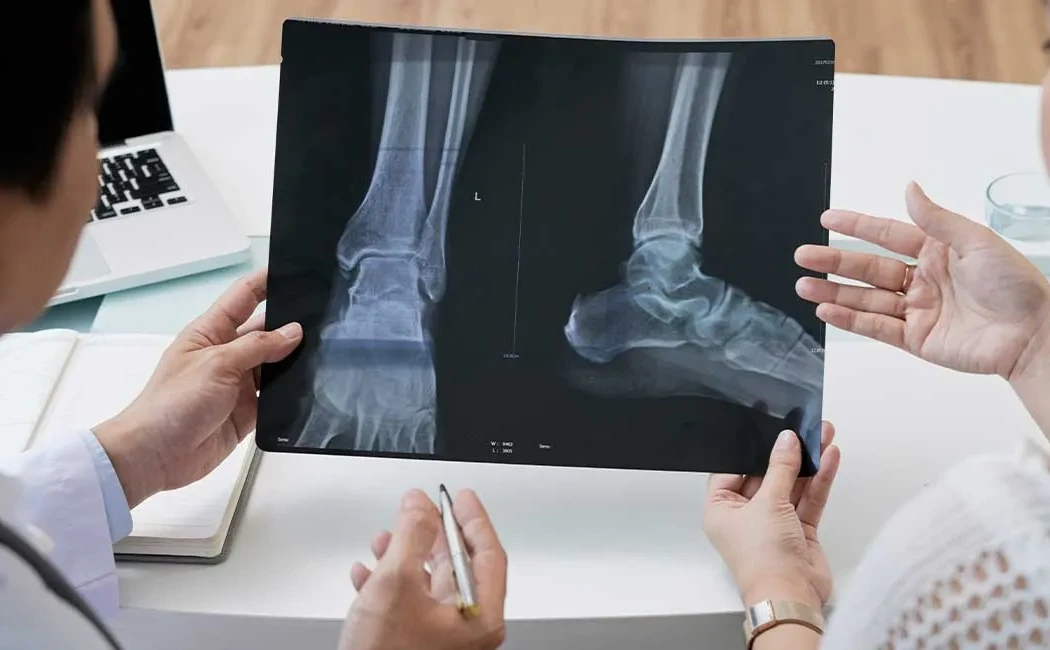
Fracture healing is a complex biological process involving the body’s natural repair mechanisms. However, in some cases, this process may be interrupted, and the bone ends fail to unite as expected. Nonunion surgery encompasses advanced orthopedic interventions based on biological and mechanical principles, applied when fractures do not heal within the standard timeframe.
This situation can be physically and psychologically challenging for patients but can be managed effectively with accurate diagnosis and individualized treatment planning. Modern orthopedic surgery offers effective solutions through methods that support bone biology and advanced fixation techniques. This article discusses the causes of nonunion and the full spectrum of treatment options in detail.
What is Nonunion (Pseudarthrosis)?
Nonunion, medically known as pseudarthrosis, refers to the cessation of the fracture healing process, leading to failure of bone ends to unite. Normally, the healing period varies according to the fracture location and patient’s age, but lack of healing signs after approximately 6 to 9 months is generally considered nonunion. In this condition, a “false joint” may develop at the fracture site.
Why Do Fractures Fail to Heal?
A common question among patients is “Why doesn’t my fracture heal?” Fracture healing requires a delicate balance of mechanical stability, sufficient blood supply, and biological potential. Disruption of this balance can inhibit healing. Smoking, systemic diseases like diabetes, nutritional deficiencies, and infections are the main factors triggering nonunion. Especially in cases such as nonunion surgery in femoral fractures, stabilization issues in weight-bearing areas play a significant role.
Types and Symptoms of Pseudarthrosis
Nonunions are classified by radiological appearance and biological activity. Proper treatment planning depends on this classification:
1. Hypertrophic Pseudarthrosis: Excessive callus formation at bone ends but no union due to inadequate stabilization (excess movement). Blood supply is good.
2. Atrophic Pseudarthrosis: Bone ends are thin and tapered. Bone formation is poor, often related to compromised blood circulation.
3. Oligotrophic Pseudarthrosis: Intermediate form with little or no callus.
Symptoms include persistent pain at the fracture site, pathological movement, deformity, and inability to bear weight on the affected limb.
Diagnostic Methods
Diagnosis begins with thorough physical examination and radiological imaging. Standard X-rays are the first step to assess fracture line and implant position. For detailed evaluation, Computed Tomography (CT) provides a 3D view of bone ends and healing status. In suspected infections, Magnetic Resonance Imaging (MRI) and laboratory tests (CRP, sedimentation rate) are included. Authorities like Mayo Clinic emphasize excluding infection as crucial for treatment success.
Nonunion Surgery and Treatment Options
The goal of nonunion treatment is to eradicate infection, revitalize bone ends, and provide stable fixation. Treatment combines surgical, biological, and mechanical strategies.
Surgically, removal of existing implants, debridement of the fracture site, and stronger fixation are essential steps. Patients can familiarize themselves with details of nonunion surgery to prepare for the process. Biologic treatments to enhance bone healing may include bone grafting, stem cell applications, or growth factors under the scope of latest biological approaches for non-healing fractures.
For optimal outcome, biological and mechanical approaches in nonunion surgery should be combined. External fixators like the Ilizarov device provide stability and can correct deformities or allow bone lengthening.
When is Revision Surgery Necessary?
Revision surgery is considered when the initial treatment fails, implants are insufficient, or infection remains uncontrolled. It may also be needed for malunion correction. Revision surgery options depend on bone quality and previous surgery count.
This process includes reviewing malunion surgery details and planning deformity correction techniques accordingly.
Risks and Factors Affecting Success in Nonunion Surgery
All surgical procedures carry risks. The main risk factors in nonunion surgery include infection, nerve injury, and implant failure. Smoking is the most significant modifiable factor reducing success. Factors that improve outcomes include surgeon experience, appropriate implant choice, and patient compliance, detailed in key factors enhancing success in nonunion surgery.
Nonunion in Children
Children generally have higher bone healing potential, making nonunion rare. However, congenital pseudarthrosis or high-energy trauma can cause nonunion in pediatric patients. Such cases should be assessed within rare pediatric deformities and treated with techniques protecting growth plates.
Postoperative Recovery Process
The postoperative period is as important as the surgery itself. Recovery varies by surgical technique, bone quality, and overall health. Physical therapy and rehabilitation are vital to preserve joint mobility and regain muscle strength. Strict adherence to weight-bearing protocols prescribed by the surgeon is essential. Current studies on PubMed show that early controlled movement stimulates bone healing.
The information provided is for general informational purposes only and does not constitute medical advice. It is not intended to replace professional diagnosis, treatment, or guidance. Diagnosis and treatment should be determined solely through an in-person consultation with a qualified healthcare professional. Since each patient's clinical condition is unique, surgical or non-surgical interventions may vary accordingly. The content is based on current scientific resources and up-to-date medical practices.