
Cosmetic heightening surgery is a surgical procedure aimed at achieving the desired aesthetic height for an individual. This operation is typically carried out using techniques such as the Ilizarov method, developed as part of limb reconstruction surgery. Like any surgical intervention, heightening surgery carries certain risks and potential complications. Hence, it is crucial to inform patients about these risks before the operation.
The fundamental principle of heightening surgery involves the controlled and gradual mechanical lengthening of the bone. This is achieved by fracturing the bone and then slowly pulling it apart using specialized devices, encouraging the formation of new bone tissue in the gap. The procedure is usually performed on the legs and requires a recovery period that can last several months.
The primary risk associated with the surgery is infection. Since external devices or pins are inserted through the skin, there is a risk of infection at these entry points. Infection can be particularly harmful as it may affect bone healing and surrounding soft tissues, necessitating proper care and hygiene to prevent it. Additionally, fluid loss during surgery and delayed wound healing are possible issues. Nerve and vascular injuries also present risks; the tension applied to surrounding tissues during lengthening can impact nerves and blood vessels, leading to numbness, tingling sensations, and, infrequently, permanent neurological problems. Therefore, the surgeon's experience is critically important.
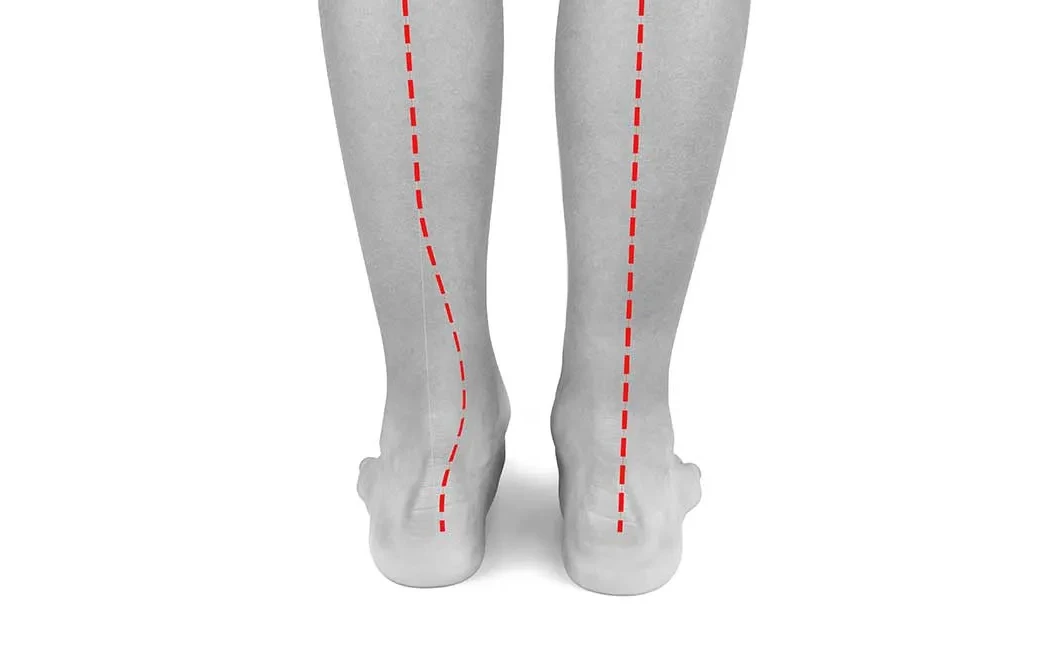
Non-union or delayed union of the bones is another potential complication. Successful surgery depends on the formation of new bone tissue. In cases where the bone does not heal properly, a secondary surgical intervention might be necessary. Furthermore, deformities or curvatures in the legs can develop after lengthening, depending on the precision of surgical planning and execution.
Prolonged lengthening can cause stiffness in muscles and joints, muscle weakness, and restricted movement. Physical therapy and regular exercise help mitigate these problems. Psychological effects are also significant; the extended treatment and recovery period can induce stress, loss of motivation, or psychological fatigue in patients. Support may be required to manage these effects.
Proper patient selection for cosmetic heightening surgery can reduce the risks. Candidates with good overall health, suitable bone structure, and psychological readiness for support demonstrate higher chances of success. Comprehensive preoperative evaluation, accurate information, and consistent postoperative monitoring reduce complication rates.
In summary, the main risks of cosmetic heightening surgery include infection, nerve damage, bone non-union, joint stiffness, and psychological impacts. However, with surgeries performed by experienced orthopedic and traumatology specialists and appropriate rehabilitation, these risks can be minimized. It is essential that patients are thoroughly informed about these risks before surgery and have realistic expectations.