
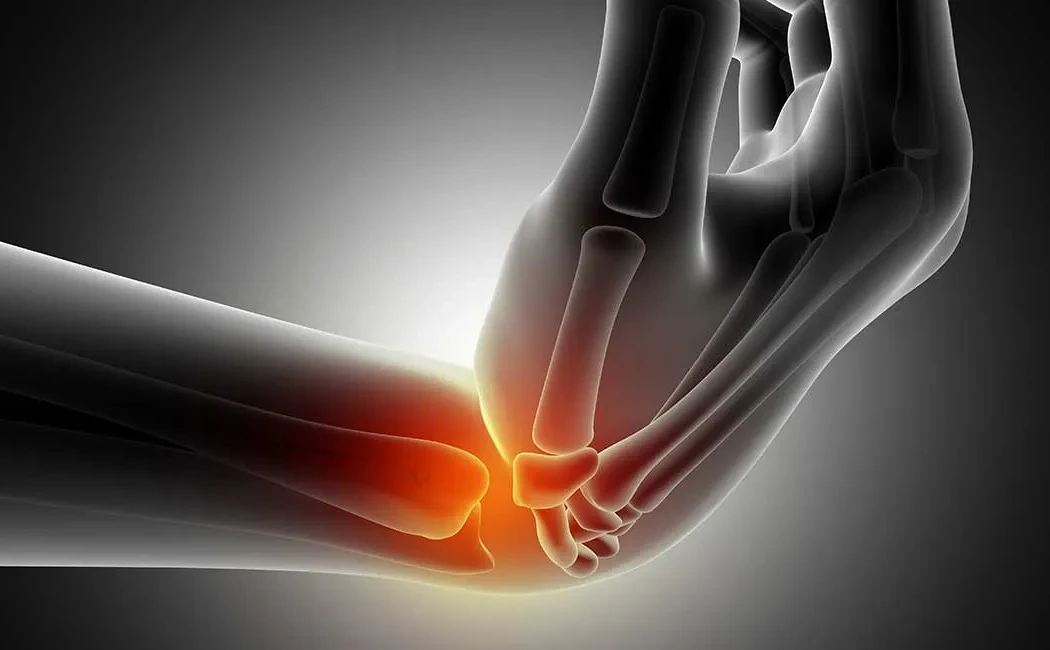
Fracture healing is typically a smooth process thanks to the bone’s natural regenerative capacity. However, in some cases, the broken bone ends may not properly align anatomically, or the healing process may not proceed as expected. Malunion treatment involves procedures aimed at correcting these complications and restoring the functional capacity of the limb. Post-fracture deformities can cause pain, limited movement, and joint problems, making accurate diagnosis and timely intervention essential.
The information provided here is for general knowledge. Since each patient’s situation is unique, it is important to consult a medical specialist for the most appropriate treatment plan.
What is Malunion?
Malunion occurs when fractured bone ends heal in a position that deviates from the original anatomical alignment, resulting in angulation, rotation, or shortening. This means the bone’s integrity is restored, but there are functional or cosmetic issues. For more detailed information, please refer to our article What is Malunion and How is it Treated?.
Difference Between Malunion and Nonunion
Malunion and nonunion are frequently confused terms in orthopedic practice but represent different pathological processes. Malunion means the bone has healed biologically but in a mechanically improper position. Nonunion refers to the failure of fracture healing, where the bone ends do not unite. Both conditions may require surgery, but the surgical approaches differ.
Causes of Malunion
Malunion can result from various factors. Inadequate fracture reduction during initial treatment, early loosening of casts or fixation devices, non-compliance with weight-bearing restrictions, or complex, multi-fragmental fractures may contribute to this condition. Infections and metabolic bone diseases also negatively affect healing quality.
Symptoms and Diagnosis of Malunion
Patients usually present with visible deformity or loss of function. Diagnosis involves a thorough physical examination and imaging studies.
Clinical Signs
Symptoms vary depending on deformity severity. Common findings include visible angulation, limb length discrepancy, restricted joint range of motion, and pain under load. Lower limb malunions often cause gait abnormalities such as limping.
Imaging Techniques
Accurate diagnosis and three-dimensional deformity assessment require imaging. Standard X-rays reveal bone alignment, while CT scans provide detailed bone maps. MRI may be used if intra-articular issues are suspected.
Malunion Treatment Options
Treatment decisions consider patient age, activity level, deformity severity, and bone quality. While malunion management usually involves surgical correction, conservative methods may be appropriate for milder cases. For detailed surgical options, visit our page on Malunion Surgery.
Surgical Methods: Osteotomy and Revision Fixation
The gold standard surgical treatment is osteotomy, where the malunited bone is carefully re-cut and realigned. The corrected bone is fixed with plates, screws, or nails. For nonunion cases, nonunion surgery principles apply, often requiring biological support such as bone grafts. Innovative approaches like biological treatments for nonunion fractures may support the healing process.
Ilizarov and External Fixator Techniques
In complex deformities, especially those combining angular deformity and shortening, Ilizarov or other modern external fixators are preferred. These methods allow gradual correction and, if necessary, bone lengthening. For more, see our page on Lower Extremity Deformity Surgery.
Conservative Approaches
Not all malunions require surgery. Mild deformities that do not cause functional impairment or pain and are cosmetically acceptable may be managed with physical therapy, orthotic use, or shoe modifications (such as lift inserts). Mechanical stability principles, a key concept in nonunion treatment approaches, are also considered in treatment planning.
Recovery After Revision Surgery
Revision surgery may require a longer and more complex recovery than the initial fracture operation. Strict adherence to medical advice during the postoperative recovery period improves the likelihood of success.
Rehabilitation and Physical Therapy
Postoperative physical therapy is essential to maintain joint mobility and strengthen muscles. Rehabilitation programs are gradually intensified based on the bone healing status.
Potential Complications and Follow-up
As with any surgery, revision procedures carry risks such as infection, implant failure, or recurrent nonunion. Regular follow-up and avoidance of factors that impair healing, such as smoking, are critical. Knowing success factors in nonunion surgery helps patients engage more consciously with the process.
Preventive Measures for Malunion
The most effective way to prevent malunion is proper initial fracture management. Attending follow-up appointments, avoiding premature weight-bearing, and proper nutrition are essential for healthy bone healing.
Medical Disclaimer and Information Notice
The information in this article is based on orthopedic literature and general medical practices. Medical knowledge continues to evolve, and each case is individual. This content does not replace professional medical advice. Diagnosis and treatment decisions should be made following in-person evaluation by a healthcare professional.
All information provided is for general informational purposes only and does not constitute medical advice. The content is not a substitute for professional diagnosis, treatment, or consultation. Diagnosis and treatment should be determined exclusively through an in-person evaluation by a qualified healthcare professional. Individual patient conditions vary, and surgical or non-surgical treatments may differ accordingly. The information is based on current scientific knowledge and up-to-date medical practices. Do not delay seeking professional medical care based on this content.