
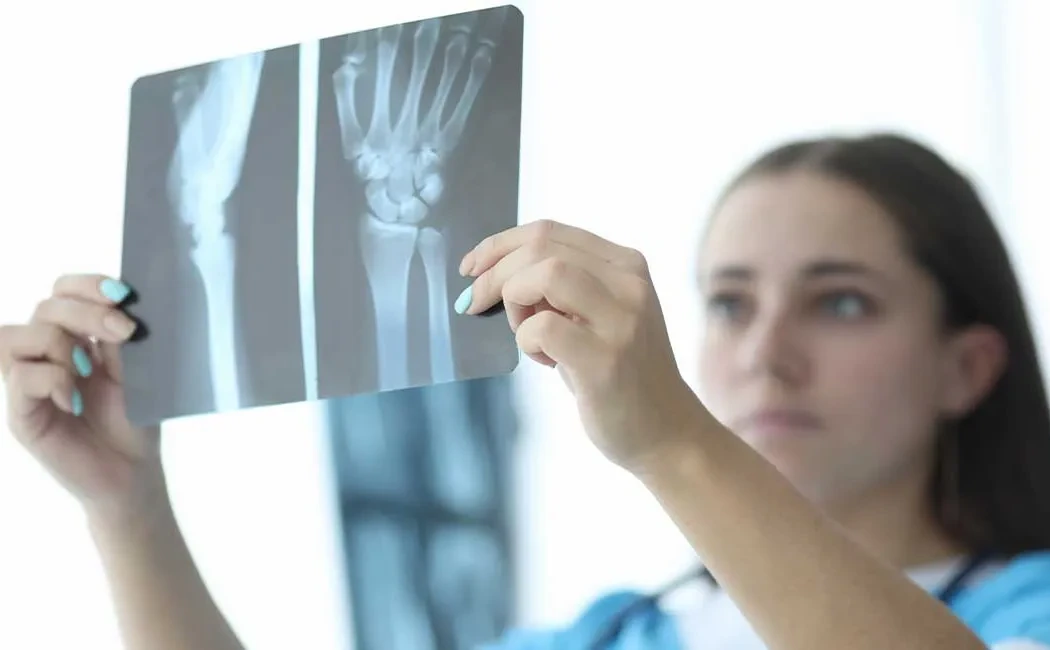
Bone fractures generally heal spontaneously within the body's natural healing process. However, some fractures may fail to unite and become chronic due to serious trauma, infections, insufficient immobilization, circulation disorders, or patient-related risk factors. These conditions, known as nonunion fractures, pose a long-term morbidity risk for patients and complicate the treatment process. Recent advances in technology and science have highlighted biological treatment methods, enabling promising results in the management of nonunion fractures.
Causes and Diagnosis of Nonunion Fractures
Nonunion fractures typically arise from mechanical instability, infections, impaired blood circulation, inadequate nutrition, smoking, and systemic diseases such as diabetes and osteoporosis. Diagnosis involves clinical examination as well as imaging techniques like X-rays, computed tomography (CT), and magnetic resonance imaging (MRI). Additionally, biochemical and biomaterial analyses are used to assess bone metabolism.
Traditional Treatment Approaches
Surgical interventions have traditionally been the primary treatment for nonunion fractures. These aim to stabilize the fracture region, control infection, and correct deformities. Stabilization techniques typically include fixation with plates and screws, external fixators, or bone grafts. However, these methods are not always successful and sometimes more invasive procedures are necessary.
The Importance of Biological Treatment
Biological treatment involves methods that support and accelerate the natural bone healing process. These approaches are based on fundamental principles of bone tissue regeneration: osteogenesis (bone formation), osteoinduction (signals that stimulate bone growth), osteoconduction (providing a conducive environment for bone cell growth), and enhancing vascularization.
New Generation Biological Approaches
1. Growth Factors
Growth factors such as bone morphogenetic proteins (BMPs) and vascular endothelial growth factor (VEGF) are molecules that trigger bone healing. The local application of BMP-2 and BMP-7 in nonunion fractures increases osteoblast activity and stimulates new bone formation. Clinical studies show positive outcomes when these growth factors are combined with bone grafts.
2. Stem Cell Therapy
Mesenchymal stem cells (MSCs) have the ability to differentiate into bone and other mesodermal tissues. Local injection or cultured application of stem cells at the fracture site supports repair at the cellular level, accelerating fracture healing. Additionally, stem cells secrete growth factors that enhance the healing environment. The use of autologous stem cells in clinical practice is becoming increasingly common.
3. Biomaterials and Bone Grafts
Artificial bone grafts and biological scaffolds provide an appropriate framework for bone tissue formation. These materials are selected based on porosity and biocompatibility. Calcium phosphate-based bioceramics, collagen-supported grafts, and hydroxyapatite materials are examples that yield positive results when combined with biological therapy.
4. Ilizarov and Extremity Reconstruction
The Ilizarov method provides mechanical stability while stimulating biological healing through the activation of surrounding soft tissues. Low-impact mechanical tension induces thrombosis and new blood vessel formation, accelerating bone regeneration. This is an effective technique especially for long bone fractures, nonunion, and deformity corrections.
5. Other Approaches
Supportive biological treatments such as hyperbaric oxygen therapy, radiofrequency applications, electrical stimulation, and laser therapy enhance blood circulation and cellular metabolism to support bone healing.
Considerations in Practice
Patient's overall health, fracture type, infection status, and quality of used materials are critical in biological treatment approaches. Proper surgical technique, accurate application of biological agents, and close follow-up are essential. A multidisciplinary approach including physiotherapy and rehabilitation planning increases treatment success.
Future Perspectives
Research focuses on genetically engineered growth factors, nanotechnological materials improving soft tissue integration, and more efficient use of autologous cells derived from the patient's own tissues. These advancements aim to develop minimally invasive, highly successful methods that provide functional outcomes in treating nonunion fractures.
Nonunion fractures are increasingly managed effectively through biological therapies, improving patients' quality of life. Experts like Prof. Dr. Halil İbrahim Balcı combine the most advanced techniques in personalized treatment plans to ensure rapid and healthy recovery.