
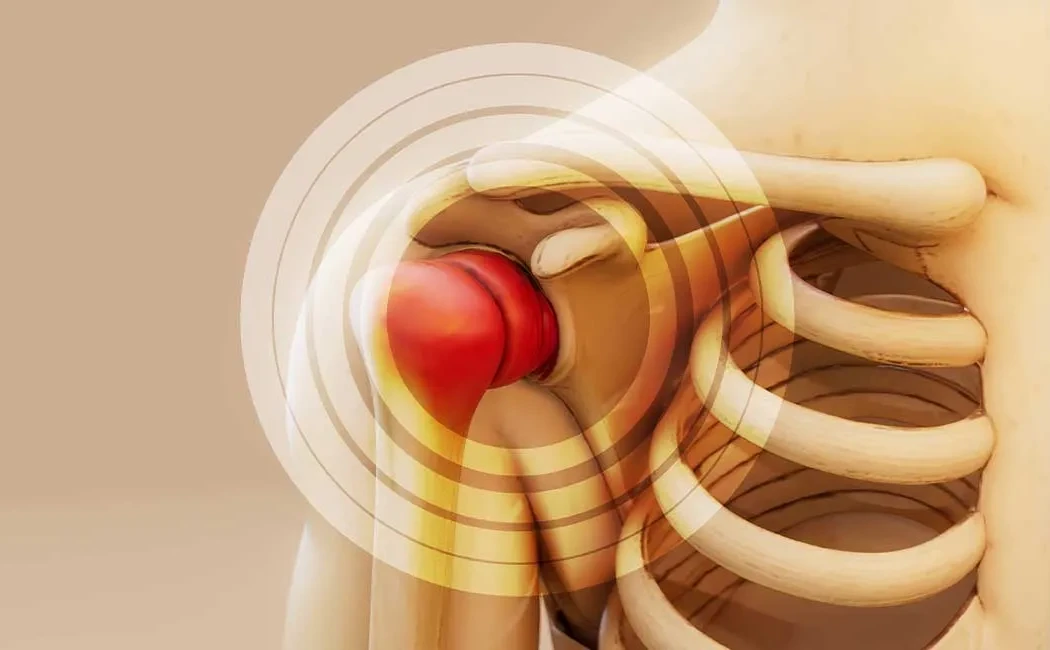
Bone tumors are pathological formations that directly affect the bone structure and can spread to surrounding tissues. The primary goal in treatment is the complete eradication of the tumor, minimizing the risk of local recurrence, and preserving functional capacity as much as possible. Therefore, while surgical resection aims to remove the bone tumor entirely, it is equally crucial to repair the defects in the bone that occur after resection.
Importance and Techniques of Surgical Resection
Surgical resection in bone tumors is the fundamental treatment method applied to prevent tumor spread to surrounding tissues and to prolong the patient's survival. The type of resection varies according to the tumor's location, size, and malignancy grade. The most common surgical techniques include:
1. En-block Resection: This involves removing the tumor along with a margin of healthy tissue surrounding it. When clean margins are ensured, the risk of local recurrence decreases.
2. Marginal Resection: Tissue is removed close to the tumor margins, but clean borders may not be guaranteed. This technique is mostly preferred for well-differentiated tumors.
3. Intracapsular Resection: This technique removes the tumor without disturbing the tumor capsule and is used in limited cases.
During resection, it is crucial to preserve nerves, blood vessels, and other soft tissues as much as possible. However, in certain cases, wide resections may require removal of surrounding structures.
Reconstruction Methods
Repairing bone and soft tissue defects after resection is a critical step to maintain patients’ quality of life and restore functional independence. Various reconstruction techniques are available:
Autologous Bone Grafts
These use bone grafts taken from the patient’s own body, typically from the iliac crest, fibula, or resected bone. Free grafts containing living bone and blood vessels offer excellent biocompatibility and rapid integration. However, there is a risk of morbidity at the graft donor site.
Allografts
Grafts taken from donor bone, especially preferred for large bone defects. Risks include infection and immune reactions, which can be reduced with appropriate sterilization protocols.
Prosthetic Implants
Endoprostheses are commonly used to restore bone and joint loss after resection. Total or partial prostheses can be applied mostly in major joints like the hip and knee. Modern prostheses are modular and can be customized according to the patient’s anatomical and functional needs.
Ilizarov and Limb Lengthening Techniques
If bone loss length and quality are sufficient, distraction osteogenesis techniques such as external fixators and the Ilizarov method can be used. These techniques regenerate bone while correcting length and deformities.
Mechanical Support Systems and Combined Methods
Internal fixation systems, including plates, screws, and nails, are used to ensure the mechanical integrity of the bone post-surgery. Combining allografts and prostheses also yields effective outcomes in some cases.
Importance of Early Mobilization in Reconstruction
Early mobilization after surgery should be planned to preserve patient function and accelerate rehabilitation. Stable reconstruction techniques provide increased load-bearing capacity and allow for greater mobility.
Complications and Management
Complications such as infection, implant loosening, graft failure, and fractures may occur during reconstruction. Hence, thorough patient monitoring before and after surgery, appropriate antibiotic use, and revision surgery when necessary are critical.
Scientific Research and Future Perspectives
Recent advances in bone tumor surgery include biomaterials, personalized prostheses made using 3D printing technologies, and regenerative medicine applications. Progress in genetic and molecular biology will enable better understanding of tumor behavior and facilitate targeted therapies.
Surgical resection and reconstruction in bone tumors require a multidisciplinary approach. Coordinated efforts among orthopedic oncologists, radiologists, pathologists, and rehabilitation teams enhance patient outcomes and improve long-term quality of life.