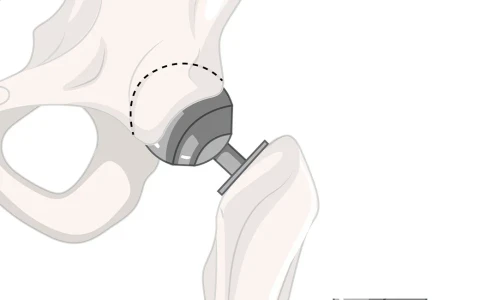
The use of robotic surgery in hip replacement operations is increasingly prevalent. This article evaluates the advantages, potential disadvantages, and current scientific evidence regarding robotic surgery in hip replacement procedures.
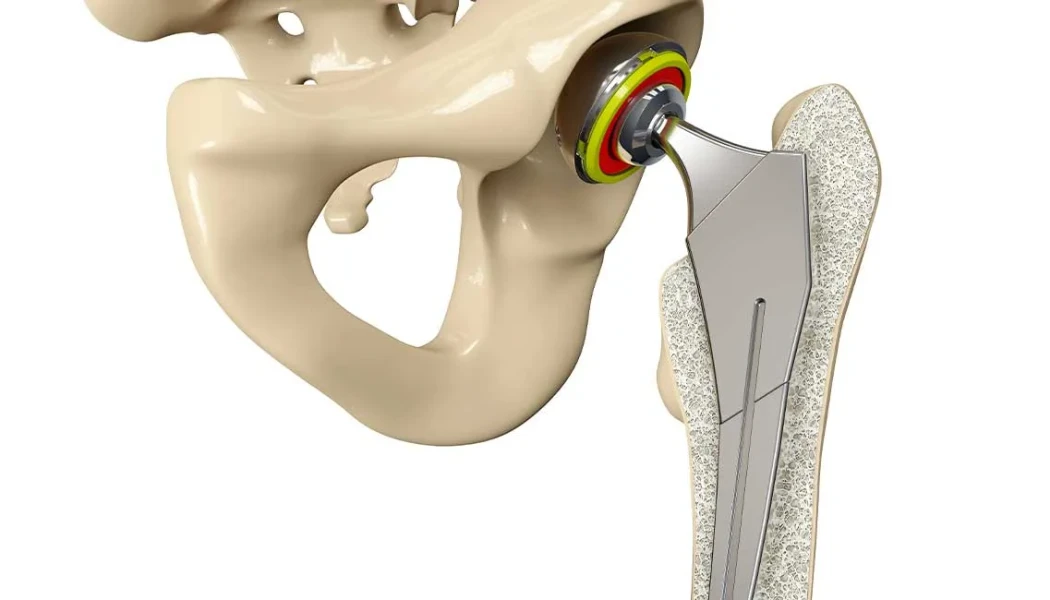
Hip replacement surgeries are widely used effective treatments for advanced joint osteoarthritis, post-traumatic deformities, or other destructive diseases of the hip joint. With recent technological advancements, the use of robotic surgical systems in orthopedics has significantly increased. In particular, robotic surgery in hip replacements enables surgeons to perform implant placement with greater precision and control. This article thoroughly explores the advantages and disadvantages of robot-assisted hip replacement surgeries in light of scientific data.
What is Robotic Surgery?
Robotic surgery is a high-tech method that offers surgeons preoperative planning, three-dimensional imaging, and precise movement control. The robotic systems used in hip replacement operate based on digital plans tailored to the patient's anatomy, minimizing the margin of error in implant positioning. Surgeons retain full control during the operation; robots guide and support the surgeon’s movements. Consequently, implant placement—including angles, depth, and alignment—is optimized.
Advantages of Robotic Surgery in Hip Replacement
1. Increased Precision and Accuracy
Robotic systems deliver high precision by surpassing manual limitations in critical parameters such as the implant’s angle, position, and orientation. This improves the ideal biomechanical fit of the implant and reduces the risk of early implant loosening.
2. Personalized Surgical Planning
Preoperative three-dimensional analysis of the patient’s anatomy allows for a precise implant placement plan, personalizing the surgical procedure and minimizing variability.
3. Reduced Soft Tissue Trauma
Robot-guided incisions can be made with minimal damage to surrounding tissues, resulting in less postoperative pain and shorter recovery time.
4. Potential for Enhanced Recovery
Accurate alignment and implant positioning reduce complications that could negatively impact the patient’s functional recovery.
5. Enhanced Safety through Advanced Imaging
Robotic systems provide real-time, three-dimensional imaging during surgery, enabling the surgeon to make informed decisions at every step.
Disadvantages of Robotic Surgery in Hip Replacement
1. High Cost
Robotic surgical systems and maintenance are costly, which can increase surgery fees and limit access in healthcare settings.
2. Learning Curve
Gaining proficiency with robotic systems takes time. The initial learning stage may temporarily increase complication risks.
3. Longer Operation Time
Especially among surgeons still mastering the system, robotic preparation and calibration can prolong surgery duration.
4. Technological Failures and System Issues
Technical malfunctions, software bugs, or hardware failures may pose significant problems during surgery, necessitating backup plans.
5. Limited Application Scope
Robotic systems may be less effective or unsuitable in complex deformities or infection cases.
Scientific Evidence and Clinical Outcomes
Numerous studies comparing robotic hip replacement with traditional methods generally indicate that robotic surgery achieves higher implant placement accuracy and better mechanical alignment in the hip joint. However, operation duration and costs remain notable disadvantages. Some long-term studies suggest that accurate implant positioning can extend prosthesis lifespan, but more extensive and long-term research is needed.
Surgeon experience, patient selection, and quality of surgical infrastructure critically influence the effectiveness of robotic surgery. With technological advancements reducing costs and improving usability, the prevalence of robotic hip replacement surgery is expected to increase significantly in the coming years.
Frequently Asked Questions
Robotic surgery enables much more precise implant placement, offers personalized surgical planning, and reduces soft tissue damage, facilitating recovery.
Robotic surgery provides advanced imaging and guidance technologies that ensure high accuracy in implant placement, whereas traditional methods rely more heavily on the surgeon’s experience and visual skills.
It may not be suitable for all patients; particularly in cases of severe deformity, infection, or complex anatomical issues, traditional surgical approaches may need to be considered alongside robotic methods.
Potential long-term benefits include extended prosthesis lifespan due to accurate implant alignment, reduced complication rates, and improved functional outcomes.
This article is for general information only and does not replace a medical examination, diagnosis or treatment. Treatment options and outcomes vary from person to person.
Related treatment area Hip Osteoarthritis: Symptoms, Treatment and the Replacement Decision