
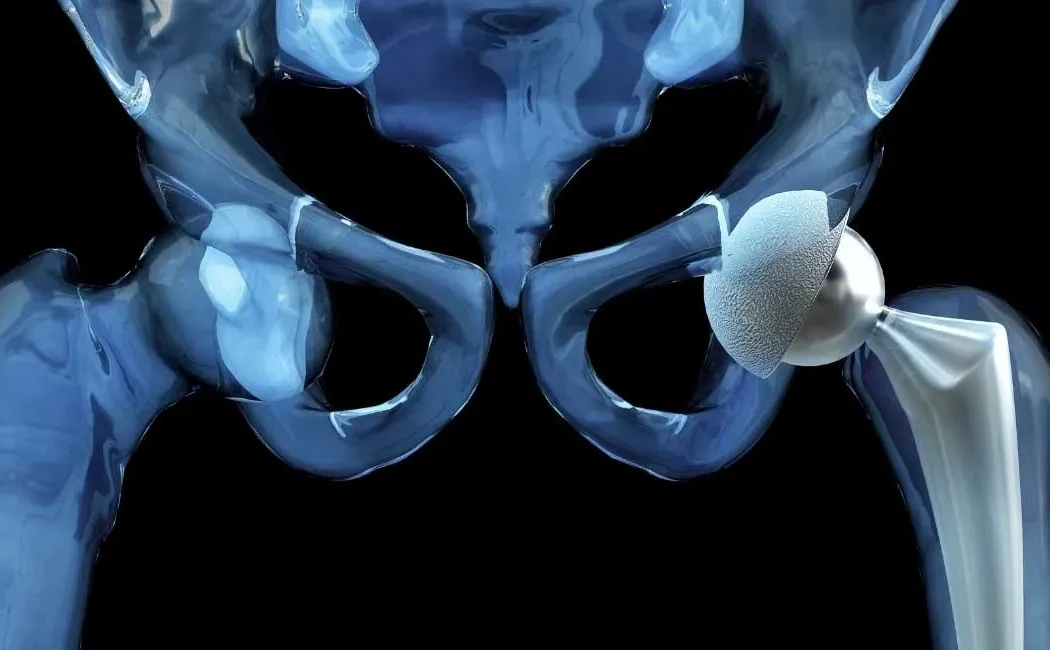
Hip replacement surgery is an effective solution aimed at improving patients' quality of life due to severe damage or degeneration in the hip joint. It is especially preferred in cases such as osteoarthritis, rheumatoid arthritis, post-traumatic degeneration, or bone infections, mostly seen in the elderly population. But how long is the recovery period to return to daily life after surgery, and what should patients pay attention to?
What Is Hip Replacement Surgery?
Hip replacement surgery involves replacing the natural hip joint with an artificial joint. This procedure aims to relieve issues such as pain, limited movement, and functional loss in the joint. Implants are commonly made from metal, plastic, or ceramic materials and are fixed to the bone.
Postoperative Recovery Process
The recovery process after hip replacement surgery depends on many factors including the patient's overall health status, age, surgical technique used, and the effectiveness of postoperative rehabilitation. Typically, patients begin physical therapy immediately after the surgery.
Initial Days and Hospital Stay
Patients usually remain hospitalized for 3 to 5 days after the surgery. During this period, pain management, wound healing, and reduction of infection risk are addressed. Light movements and walking exercises are initiated under the supervision of physiotherapists during these early days.
Starting to Walk and Assisted Mobility
From the second or third day after surgery, patients generally start walking with the help of a walker or crutches. During this phase, caution is necessary to prevent falls and avoid dislocation of the implant. Proper posture and movement techniques post-hip replacement are taught to the patient.
Daily Activities Within 6 Weeks
In the first six weeks of recovery, patients can typically return to light daily activities. Short walks within the home, simple household chores, and personal care routines may be performed during this period. However, activities such as climbing stairs and lifting heavy objects should be limited.
More Active Life After 3 Months
By the third month post-surgery, most patients resume the majority of their daily activities. Walking, light exercises, and participation in social activities increase. Physical therapy programs are intensified during this period aiming to strengthen the muscles surrounding the hip.
Full Functional Recovery and Long-Term Care
Complete recovery and long-lasting use of the prosthesis often require between 6 to 12 months. Throughout this time, regular medical check-ups are essential to monitor implant status and joint range of motion. Excessive strenuous activities should be avoided, and hygiene rules maintained to reduce infection risks.
Precautions After Surgery
Certain movements should be avoided after hip replacement, such as excessive bending of the hip, crossing the legs, and sudden twisting motions. Additionally, home environments should be arranged to minimize fall risks, eliminating slippery surfaces. Besides physical therapy, proper nutrition and limiting smoking and alcohol consumption positively impact recovery.
The Importance of Rehabilitation
Rehabilitation after hip replacement surgery directly influences the success of the procedure. Exercise programs prepared by physical therapists help strengthen the muscles around the hip and increase range of motion. Patients are also trained in movement modifications for daily living activities.
In summary, although recovery and return to daily life after hip replacement surgery vary individually, generally:
- After 6 weeks, patients can move independently within their homes.
- Around 3 months, return to social activities and more active lifestyles occurs.
- Full functional recovery is usually achieved between 6 months and 1 year.
Following the guidance of expert doctors and physiotherapists enhances surgical success.