Comprehensive information about the recovery process and rehabilitation programs that athletes should follow to return to sports healthily after meniscus repair.
The meniscus is a crucial structure within the knee joint and is among the most common injuries seen in athletes. Meniscus tears typically occur during sudden twists or impacts in sports activities. Modern meniscus repair techniques aim to preserve knee function so athletes can continue their sports careers. However, the recovery process after meniscus repair requires appropriate rehabilitation support; without it, surgical success alone may not yield the desired outcomes.
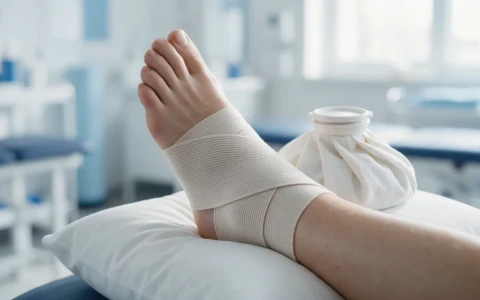
The initial phase after meniscus repair surgery focuses on promoting healing at the surgical site and controlling symptoms such as swelling and pain in the knee. Weight-bearing may be limited during this period, and mobility is usually supported with crutches. Controlled gradual increases in the knee’s range of motion are encouraged. Within the first few weeks post-surgery, cold therapy, light exercises, and suitable medication play key roles in reducing inflammation.
The second phase of rehabilitation targets regaining muscle strength and joint stability. For athletes, strengthening the thigh muscles is particularly critical. Balanced strengthening of the quadriceps and hamstring muscles helps distribute the load on the knee, reducing the risk of re-injury to the meniscus. Specialized exercise programs led by physiotherapists are integral to this stage. Additionally, balance and proprioceptive exercises enhance safety when returning to sports activities.
The timing of an athlete’s return to sports after meniscus repair varies depending on the type and extent of the injury, success of the surgery, as well as the athlete’s age and overall health status. Generally, full recovery and return to sports are recommended within 3 to 6 months according to medical literature. However, this timeline may be extended for sports involving high contact or demanding peak performance. Returning to sports prematurely may increase the risk of re-injury and lead to chronic knee problems.
Psychological support and awareness are also vital during the recovery process. Maintaining a positive mindset after surgery contributes favorably to healing. Athletes need to accept movement restrictions and gradual weight-bearing protocols. Coordination among doctors, physiotherapists, and sports coaches is essential to prepare personalized programs tailored to each athlete.
In recent years, modern techniques such as biological support methods and minimally invasive (arthroscopic) surgeries have been incorporated into meniscus repair. These innovations shorten recovery time and reduce postoperative complications. Procedures aimed at enhancing the meniscus’s self-healing capacity, such as Platelet Rich Plasma (PRP) and stem cell treatments, have shown promising effects in various scientific studies.
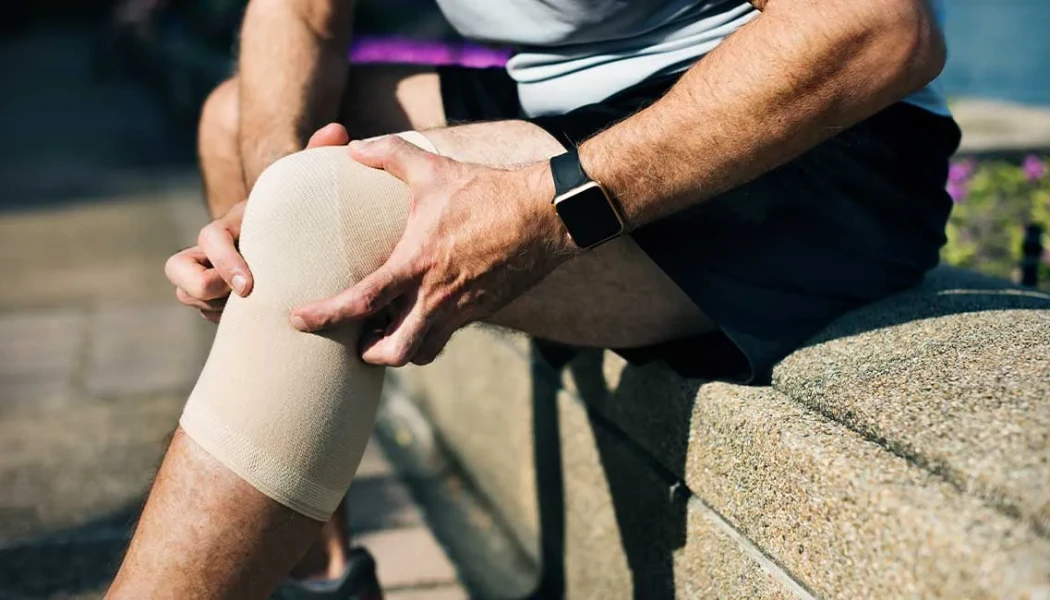
Key factors athletes should consider after meniscus repair include maintaining soft tissue flexibility, performing proper warm-up and cool-down routines, avoiding excessive strain, and gradually increasing intensity in sports activities. The use of appropriate knee braces is also recommended to protect the knee from severe trauma during this vulnerable period.
An ideal recovery process after meniscus repair heavily depends not only on the technical success of the surgery but also on the meticulous application of an individualized rehabilitation program. Athletes must exercise patience and attentiveness to their body’s healing signals, consulting experts as needed to keep their recovery on track.
Frequently Asked Questions
The return to sports timeline varies based on the size of the tear, surgical technique, athlete’s age, and overall health. Typically, a full healing period of 3 to 6 months is recommended before resuming sports activities.
Weight-bearing on the knee should be avoided in the first few weeks following surgery. Gradual mobilization is supported by using crutches. The doctor and physiotherapist will guide the timing and extent of knee usage.
Exercises that strengthen the quadriceps and hamstring muscles as well as balance and proprioceptive training are critical. These help improve knee joint stability and function.
Risk of re-tearing increases with early return to sports, improper rehabilitation, or lack of protective measures. Proper follow-up and rehab minimize this risk.
After recovery and completion of strengthening exercises, low-impact sports like running, cycling, and swimming can be resumed. Contact or high-intensity sports may require a longer recovery period.
This article is for general information only and does not replace a medical examination, diagnosis or treatment. Treatment options and outcomes vary from person to person.
Related treatment area Sports Surgery: Treating Knee, Shoulder and Ankle Injuries