
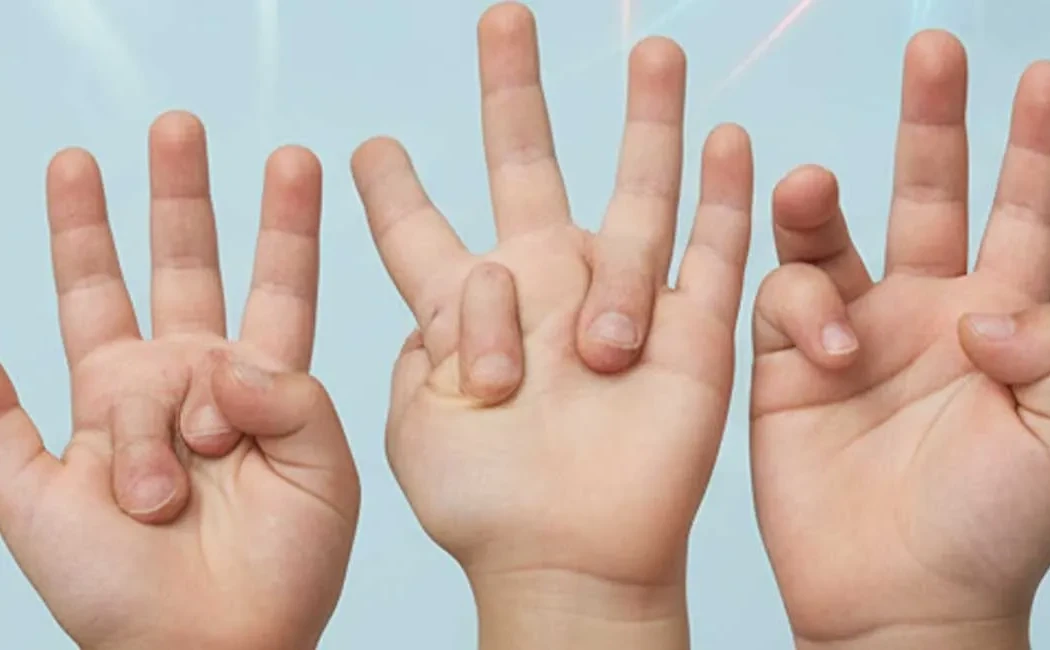
Rare childhood deformities, though often concerning for parents, are orthopedic conditions that modern medicine can manage successfully. These uncommon structural abnormalities arise congenitally or during growth, affecting the musculoskeletal system and potentially limiting a child’s mobility. This article focuses on specific examples such as Blount disease and Hemimelia—detailing their symptoms, diagnostic methods, and treatment options.
What Are Rare Childhood Deformities?
Rare childhood deformities refer to uncommon structural abnormalities affecting bones, joints, or soft tissues. These may emerge due to genetic factors, positional influences within the womb, or developmental issues in growth plates. If left untreated, they may lead to permanent disabilities or functional impairments, necessitating a multidisciplinary approach.
Blount Disease and Hemimelia: Key Examples
Among rare deformities, Blount disease and Hemimelia hold particular clinical significance. Both affect the lower limbs but differ in their causes and treatment strategies. Classified under congenital childhood deformities, accurate differential diagnosis is crucial for determining the proper treatment path.
For more detailed information, you can visit our page dedicated to rare childhood deformities.
Blount Disease
Blount disease is characterized by abnormal development of the growth plate on the upper inner part of the shin bone (tibia), leading to progressive bowing of the legs (genu varum). It commonly appears in early childhood or adolescence. Unlike physiological bowing, untreated Blount disease worsens over time and may cause joint damage.
Hemimelia
Hemimelia is a congenital anomaly where parts of a limb’s bones are partially or completely absent. It most frequently affects the fibula or tibia. This condition causes limb length discrepancies, foot deformities, and knee instability. Treatment focuses on compensating for the missing bone function and equalizing limb length.
Other Rare Pediatric Orthopedic Deformities
Beyond Blount disease and Hemimelia, there are other rare deformities encountered in pediatric orthopedics. For example, congenital pseudoarthrosis—a condition where bone fails to unite—can lead to fragile bones and non-healing fractures. Various angular deformities of the lower limbs also fall under this category.
Additionally, metabolic bone diseases can predispose children to deformities. Rare foot deformities such as vertical talus require early surgical intervention.
Symptoms: When to Suspect a Deformity?
Parents play a critical role in early detection by observing physical changes in their children. Key signs include noticeable leg bowing, asymmetry, limping, or abnormal gait patterns. Sometimes these symptoms may overlap with or accompany conditions like hip dislocation.
Pain may not always be the first symptom but increased discomfort after activity should be noted. Significant limb length differences or restricted joint movement require prompt evaluation by a specialist.
Diagnostic Process: What Tests Are Used?
Diagnosis begins with a thorough physical examination and detailed medical history. The physician assesses the child’s gait and joint mobility. Imaging studies such as X-rays are essential to confirm diagnosis and evaluate the severity.
X-rays provide the primary assessment of bone structure. When more detail is needed, CT scans or MRI may be employed, especially for surgical planning where 3D analysis is vital.
Treatment Options: Surgical and Non-Surgical Approaches
Treatment plans are tailored based on deformity type, severity, patient age, and growth potential. Mild cases may only require observation and regular follow-up, whereas progressive deformities necessitate active intervention.
Surgical treatment may involve corrective osteotomies (bone cutting and realignment), growth modulation procedures (hemiepiphysiodesis), or limb lengthening techniques. Complex cases are managed under specialized protocols in lower limb deformity surgery. Experience with nonunion surgical procedures is also crucial to minimize complications during recovery.
Importance of Early Intervention
Children’s bones have a high capacity for growth and remodeling, making early intervention especially effective. Just as with common pediatric deformities, delayed diagnosis in rare conditions complicates treatment and may lead to more invasive surgeries. Timely diagnosis supports normal physical activity development and psychosocial well-being.
The information provided here is for general informational purposes only and does not constitute medical advice. This content is not a substitute for individual diagnosis, treatment, or guidance. Diagnosis and treatment should only be determined following an in-person consultation with a qualified physician. Since each patient's clinical condition is unique, surgical or non-surgical treatments may vary accordingly.