
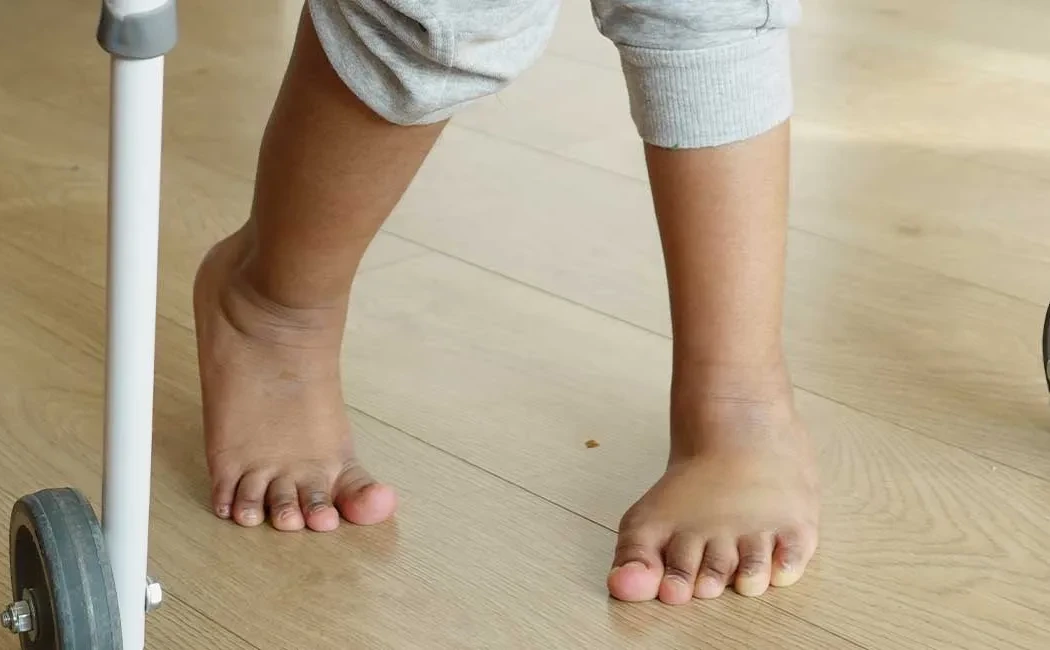
Rare deformities occurring during childhood musculoskeletal development can be concerning for families, but modern medical approaches enable effective management. These deformities typically involve congenital or developmentally emerging abnormalities of bones and joints. Having accurate information about rare childhood deformities is a crucial step for successful treatment outcomes.
This guide scientifically examines rare pediatric orthopedic issues, diagnostic procedures, and therapy choices. Special attention is given to complex conditions such as fibular hemimelia and congenital bone diseases, aiming to raise awareness among parents and caregivers.
Introduction to Rare Childhood Deformities
Rare childhood deformities are conditions infrequently seen during regular orthopedic examinations, often arising from genetic factors or disruptions during embryonic development. Beyond cosmetic concerns, these deformities may impair the child’s ability to walk, run, or perform daily activities.
Managing these rare cases differs significantly from routine fracture or trauma treatments, requiring long-term planning that considers the child’s growth potential. Treatment strategies are personalized based on the severity of deformity, affected limb function, and the child’s age.
What Are Rare Deformities?
Rare deformities encompass a broad spectrum, including limb deficiencies, abnormal ossification disorders, and joint dysplasias. These conditions frequently affect the lower extremities and are characterized by limb length discrepancies and angular deformities.
Classification of these deformities forms the basis for treatment protocols. While some cases involve mainly soft tissues, most present significant anatomical bone variations. Assessments conducted at specialized centers ensure accurate identification of these rare conditions.
Fibular Hemimelia: A Rare Congenital Condition
Fibular hemimelia is a congenital anomaly where the fibula bone in the lower leg is partially or completely absent. This results in leg length discrepancy, ankle instability, and outward foot deformities. It is among the most common long bone deficiencies in rare childhood deformities.
Disease severity varies widely: mild cases show minimal shortening, whereas severe cases lack the fibula entirely and may have associated toe absence.
Congenital Bone Diseases
Congenital bone diseases are disorders present from birth affecting skeletal structure. They may result from genetic mutations or environmental influences. Rare pediatric bone diseases include systemic conditions like osteogenesis imperfecta (brittle bone disease) and skeletal dysplasias.
Monitoring these diseases requires a multidisciplinary approach involving orthopedic surgeons, geneticists, and pediatricians.
Signs and Symptoms
Symptoms of rare deformities often become noticeable at birth or when the child begins walking. Common signs parents may observe include limb length differences, abnormal joint mobility or restrictions, and visible shape abnormalities.
Diagnostic Process
Diagnosis begins with thorough physical examination and family history assessment. The physician evaluates gait, joint range of motion, and limb lengths. Definitive diagnosis and deformity assessment rely on radiological imaging.
Standard X-rays are essential for bone structure evaluation. For complex deformities, 3D computed tomography (CT) or magnetic resonance imaging (MRI) provide detailed analysis of bone and soft tissue relationships. These examinations form the basis for surgical planning.
Treatment Approaches
Treatment for rare childhood deformities ranges from conservative methods to complex reconstructive surgeries. The primary goal is to provide a pain-free, functional, and mechanically stable limb. When identified during childhood, treatment leverages growth potential for correction.
Surgical procedures often include bone lengthening surgery and corrective osteotomies. The Ilizarov technique or modern external fixators are effective tools for both lengthening and angular deformity correction. Complications such as nonunion surgery or malunion surgery require experienced management.
Additionally, surgical procedures within the scope of lower extremity deformity surgery are selected based on the child's age and deformity type.
Early Intervention and Specialist Consultation
Timing is critical in rare deformity cases. Early intervention utilizes the skeletal system’s growth potential for better outcomes. Differentiating common pediatric orthopedic deformities from rare conditions is essential for establishing the correct treatment path.
Managing rare childhood deformities is a long-term process involving treatment and follow-up. Collaboration between families and specialized physicians ensures the best physical and psychological outcomes for the child.
This content is provided for general informational purposes only and does not constitute professional medical advice, diagnosis, or treatment. Always consult your physician or a qualified healthcare professional regarding any health-related questions or concerns you may have. The information contained in this article should not be used to create a personalized treatment plan.