
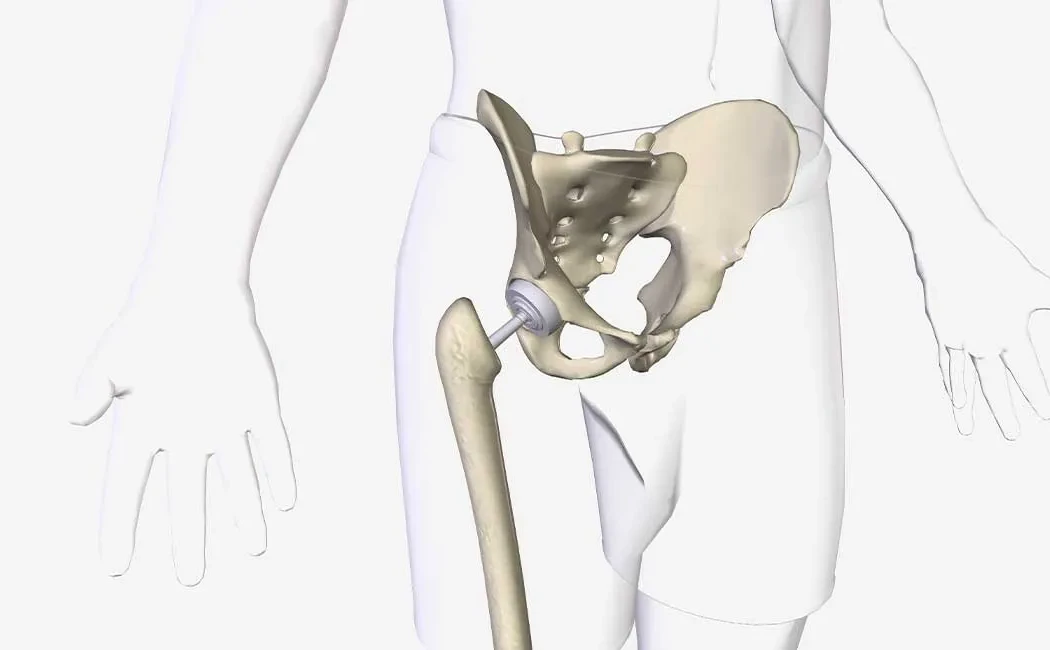
Hip replacement surgeries provide an effective surgical solution for advanced problems such as osteoarthritis, infection, trauma, or deformity affecting the hip joint. These operations significantly relieve pain and restore mobility to patients. However, for the prosthesis to last long and the patient to lead a healthy life, certain rules must be observed during the postoperative period.
Early Period After Hip Replacement Surgery
The first days following surgery are critical for patients. Swelling, mild pain, and restricted movement in the area where the prosthesis was implanted are common. Pain control under specialist supervision is essential, and signs of infection must be closely monitored. If there is bleeding, fever, or marked redness around the surgery site, immediate medical attention is required.
Recommendations to Reduce Infection Risk
Infections related to hip prostheses are serious complications that can severely affect the success of the surgery. Therefore, wound care after surgery is of utmost importance in minimizing infection risk. The wound should be kept clean and dry, and dressing changes must be performed under sterile conditions. Adhering to hygiene rules significantly lowers infection risks. In later stages, during dental treatments or other surgeries, prophylactic antibiotics can help further reduce infection risk.
Appropriate Exercise and Physical Therapy for Prosthesis Mobility
Physical therapy and rehabilitation play a vital role in regaining mobility after hip replacement surgery. Exercises performed under the guidance of a physiotherapist strengthen the muscles around the hip and enhance joint flexibility. They also prevent stiffness from developing around the prosthesis. However, to avoid the risk of dislocation, certain movements that excessively strain the hip should be avoided, especially in the early stages. For example, deep bending or crossing the legs are not recommended.
What to Consider in Daily Life
Patients with hip prostheses should be cautious with some physical activities in daily life. Using support while going up and down stairs reduces the risk of falling. Seating should be soft and ergonomic, and low chairs should be avoided. Standing for long periods or lifting heavy objects can negatively impact the lifespan of the prosthesis. Moreover, high-impact sports, running, and jumping are unsuitable activities for a hip prosthesis.
Preventing Falls
Falls represent one of the most significant risk factors for patients with hip replacements. They can cause the prosthesis to dislocate or fracture. Therefore, it is recommended to use non-slip rugs at home, non-slip mats in bathrooms and toilets, and aids such as canes or walkers to increase safety.
Long-Term Follow-Ups and Check-Ups
Patients who have undergone hip replacement surgery should attend regular orthopedic specialist appointments to evaluate the function and structure of the prosthesis. Imaging techniques such as X-rays are used to assess prosthesis placement and bone integration. Problems like prosthesis loosening or wear can be detected early, increasing the chances of timely intervention.
Tips to Extend Prosthesis Longevity
Protective behaviors for the joint are essential to ensure the prosthesis lasts longer. Balanced walking without putting heavy loads on the hip, weight management, and regular exercises are advisable. Smoking negatively affects bone healing and should be quit. Additionally, calcium and vitamin D intake to support bone health is important in diet.
Psychological Status and Social Life After Hip Replacement
Many patients may experience anxiety and worry during the initial postoperative period. Social support, motivation from family and close ones, and psychological counseling can be necessary. Maintaining social activities and hobbies is crucial to accelerating recovery and improving quality of life.
Overall, by taking care of themselves, following doctor recommendations, and attending regular follow-ups, patients can help ensure that their hip prostheses function smoothly for an extended period. An active and pain-free life is achievable with attentive care.