
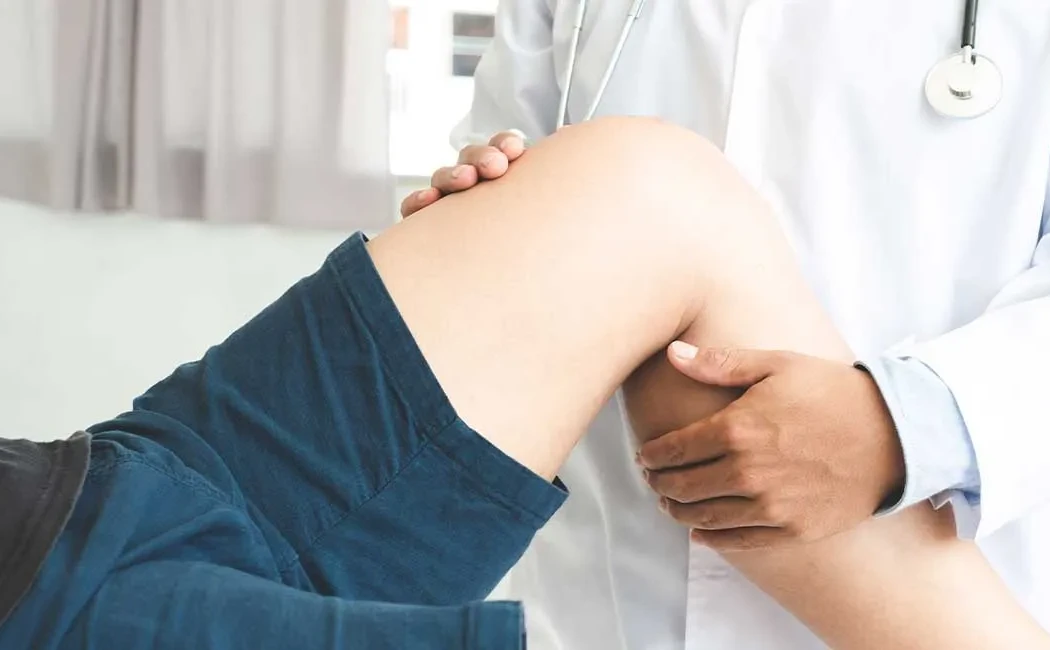
Anterior cruciate ligament (ACL) injuries are frequently seen orthopedic problems that disrupt knee stability, especially in young and active individuals. The ACL plays a critical role in maintaining the anterior-posterior and rotational stability of the knee. ACL tears typically occur during sudden pivoting, stopping, or twisting movements and usually require surgical management. Postoperative rehabilitation is the cornerstone of successful healing and functional restoration.
Surgical Intervention and Its Goals
When an ACL tear is diagnosed, ligament reconstruction is recommended particularly for active patients. The surgery is mostly performed arthroscopically, where grafts are typically harvested from the patient’s own tendons, such as the hamstring or patellar tendon, to repair the ligament. The primary goal of surgery is to re-establish the natural stability of the knee. However, the greatest determinant of postoperative success is consistent and properly planned rehabilitation.
Healing Phases and Principles of Rehabilitation
In the first weeks after surgery, the focus is on controlling swelling and pain, maintaining joint range of motion, and gradually regaining muscle strength. Rehabilitation usually progresses through four main phases: protection and healing in the early phase, gaining mobility, muscle strengthening, and functional training. Each phase must be designed considering the healing capacity of the surgically repaired ligament tissue.
Early Rehabilitation Phase (0–6 Weeks)
In the initial days post-surgery, the knee is generally supported in a slightly bent position and treatments such as ice application, elevation, and anti-inflammatory interventions are used to aid healing. The aim is to gradually reintroduce weight bearing in a controlled manner and increase passive joint mobility. Under the guidance of physiotherapists, gentle strengthening exercises are initiated without compromising the achieved range of motion.
Intermediate Rehabilitation Phase (6–12 Weeks)
This phase is critical for ligament healing as patients progressively put full weight on the leg, and knee range of motion approaches normal limits. Balance and proprioceptive exercises to improve knee stability are emphasized. Strengthening exercises intensify, focusing on coordinated function of the quadriceps and hamstrings. Low-impact aerobic activities such as light jogging and cycling may be introduced into the regimen.
Advanced Rehabilitation Phase (3–6 Months)
During this recovery stage post-ACL reconstruction, the focus shifts to returning patients to sports and everyday activities. Functional strengthening exercises, plyometric training, acceleration work, and change-of-direction drills become central to rehabilitation. Achieving muscular balance reinforces knee stability. Progress is closely monitored through collaboration between the patient, surgeon, and physiotherapist.
Return to Full Activity (>6 Months)
Typically, patients may resume sports activities after six months, provided certain criteria are met. These include absence of pain and swelling, full range of motion, sufficient muscle strength, and elimination of stiffness. However, this timeline can be adjusted depending on the type of sport and individual patient factors. Protective programs are recommended for high-risk sports.
Factors Affecting Rehabilitation Success
Postoperative healing success depends not only on the surgeon’s technical skill but also on the patient’s adherence to the rehabilitation process, nutritional status, other health conditions, and psychological factors. Regular medical follow-ups and compliance with physiotherapist-guided exercise programs enhance healing speed and quality. Avoiding excessive activity early on allows proper healing of the ligament.
Contemporary functional rehabilitation approaches and neuromuscular training programs facilitate faster and healthier recovery after ACL surgery. Treatment plans should be individualized, with a multidisciplinary approach as a foundation.