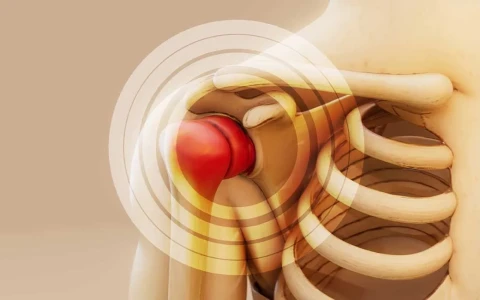
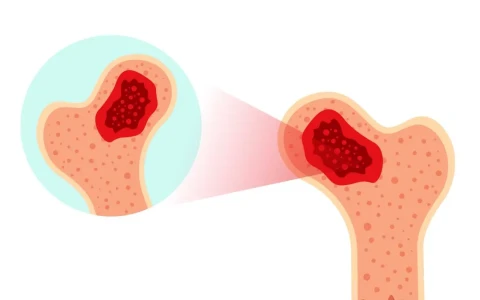
Monitoring the recovery process after bone tumor surgery is crucial for treatment success and preventing complications. This article discusses the scientifically based details and practical approaches of the postoperative follow-up process for bone tumor patients.
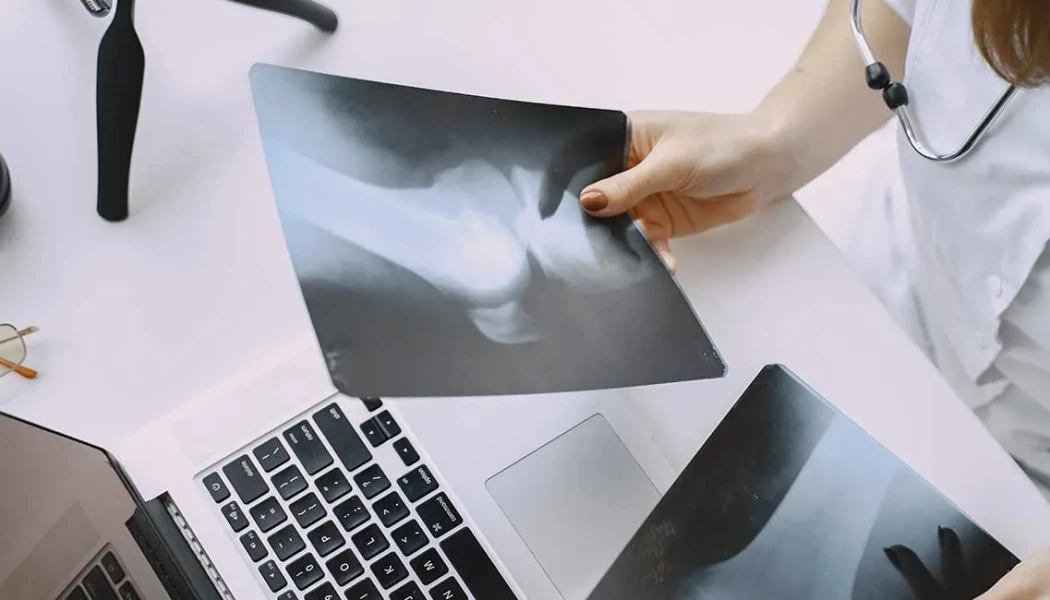
Bone tumors are defined as benign or malignant growths arising within the bone. Surgical intervention plays a significant role in the treatment process; however, postoperative follow-up is just as critical for the patient's health. In the postoperative period, follow-up programs are planned by considering both the patient's physical condition and the risk of tumor recurrence, which are essential for maintaining quality of life.
Importance of the Postoperative Follow-Up Process
Bone tumor surgery typically aims to completely remove the tumor while preserving functional life whenever possible. However, there are certain risks after surgery. These include infections, problems related to bone non-union, tumor recurrence, or metastasis formation. Therefore, regular check-ups allow early intervention and treatment at the initial stages.
Primary Goals of the Follow-Up Process
- Monitoring whether the tumor has recurred
- Evaluating healing at the surgical site
- Tracking the patient's functional status and quality of life
- Early diagnosis of potential complications
- Observing the condition of bone and soft tissues
Follow-Up Protocols and Methods
The follow-up process varies depending on the patient's condition, tumor type, and surgical extent, but generally includes the following practices:
Imaging Techniques
- X-Ray: Used to monitor bone healing and detect possible deformities after surgery; typically preferred during initial evaluations.
- Magnetic Resonance Imaging (MRI): Provides detailed information regarding soft tissue and bone marrow status; used primarily if recurrence or metastasis is suspected.
- Computed Tomography (CT): Helps evaluate bone structure details as well as surrounding tissues.
- PET-CT: Preferred especially in malignant bone tumors to monitor metabolic activity.
Laboratory Tests
Postoperative biochemical tests such as calcium and alkaline phosphatase provide information about bone metabolism. In some cases, tumor-specific markers may also be tracked.
Physical Examination and Functional Evaluation
After surgery, regular assessments of the patient's mobility, pain levels, and wound healing are conducted. Early intervention helps prevent issues if functional loss or abnormalities occur.
Follow-Up Frequency
The frequency of follow-up varies according to the tumor type and surgical features. Generally, patients are monitored every 3 months during the first year, every 6 months in the second year, and annually thereafter. More frequent check-ups may be necessary in malignant cases.
Complications and Precautions
Complications such as infection, non-union of bone, or implant problems are closely monitored during follow-up. In addition, considering the risk of tumor recurrence and metastasis to distant organs, a multidisciplinary approach is essential.
Role of Rehabilitation
Rehabilitation after bone tumor surgery is critical for restoring normal function. Physical therapy and appropriate exercise programs enhance muscle strength, improve range of motion, and elevate quality of life.
Patient Education and Psychosocial Support
Helping patients understand the postoperative process increases treatment compliance. Psychological support, especially for malignant bone tumor cases, improves motivation and quality of life.
Therefore, the postoperative follow-up in bone tumor cases must be conducted through a multidisciplinary approach. Regular check-ups, appropriate rehabilitation, patient education, and early interventions are key factors affecting treatment success and quality of life. Adhering closely to your doctor's recommended follow-up plan is critically important during this process.
Frequently Asked Questions
Typically, controls are recommended every 3 months during the first year, every 6 months in the second year, and annually thereafter. However, these intervals can vary depending on the tumor type and patient's condition.
X-ray, magnetic resonance imaging (MRI), computed tomography (CT), and in some cases PET-CT are the primary imaging techniques used during the follow-up process.
Complications may include infection, bone non-union, implant issues, tumor recurrence, and risk of metastasis to distant organs.
Rehabilitation increases muscle strength, restores mobility, and assists the patient in returning to normal daily functions.
Understanding the treatment process, regularly attending recommended controls, and receiving psychosocial support positively influence recovery.
This article is for general information only and does not replace a medical examination, diagnosis or treatment. Treatment options and outcomes vary from person to person.
Related treatment area Bone Tumours: Benign and Malignant Types, Diagnosis and Treatment