
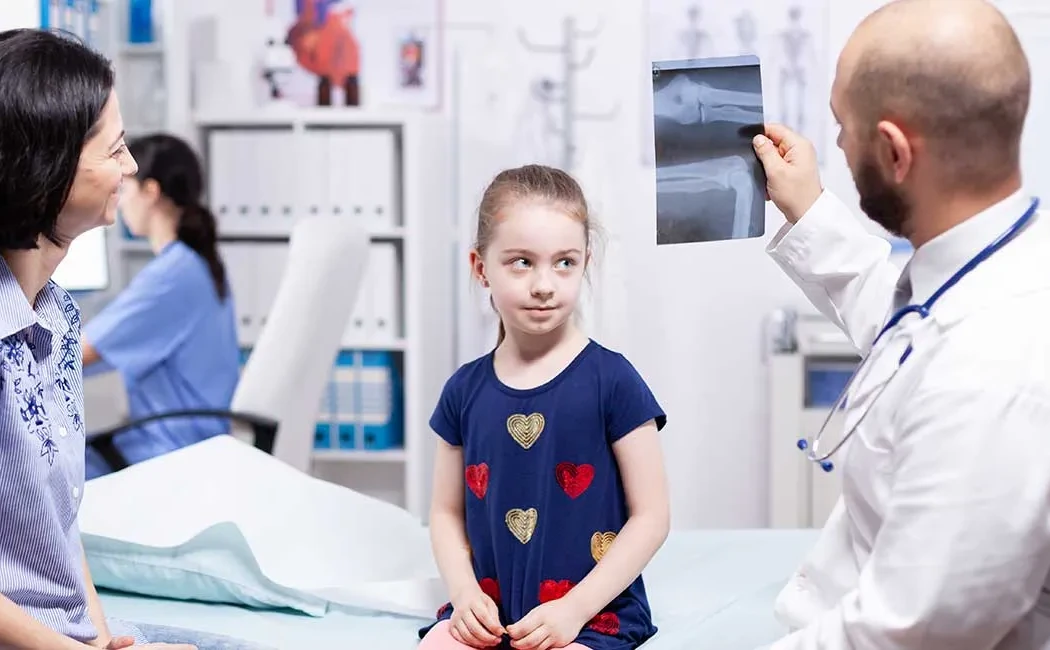
Childhood is a dynamic period marked by rapid growth and development, where the musculoskeletal system is continuously changing. Pediatric orthopedics addresses a broad range of issues during this sensitive phase, including congenital anomalies, developmental disorders, fractures, and infections. Ensuring children's healthy bone structure is crucial, as early interventions directly affect an individual’s quality of life into adulthood.
This guide explores the core concepts of pediatric orthopedics, common problems encountered, and current treatment approaches within a scientific framework. Our goal is to provide parents with a trustworthy roadmap to their child’s orthopedic health and to support informed decision-making throughout treatment processes.
What is Pediatric Orthopedics?
Pediatric orthopedics is the medical discipline focused on spinal, limb, and joint problems in individuals from the newborn period up to late adolescence. Children's bone structures differ from adults,’ featuring growth plates, increased flexibility, and higher healing potential, which require tailored diagnostic and treatment methods.
This specialty encompasses not only surgical interventions but also growth monitoring, preventive care, and conservative treatments.
Common Orthopedic Conditions in Children
Orthopedic issues in childhood may be congenital or arise later due to trauma or developmental factors. Early identification is critical for effective management. The following diagram summarizes the most frequent orthopedic conditions in this age group.
Scoliosis, Hip Dysplasia, and Flat Feet
Developmental hip dysplasia, a key condition, requires detection through neonatal screening. Early treatment for hip dysplasia in children typically involves non-surgical options such as the Pavlik harness, while delayed cases may necessitate surgery.
Similarly, scoliosis, defined as a lateral curvature of the spine, and flat feet, characterized by the collapse of the foot arch, are common concerns families consult about. These conditions, discussed under frequent deformities in pediatric orthopedics, require regular monitoring and timely interventions.
Rare Bone Disorders
In addition to common conditions, some children face complex hereditary or metabolic bone disorders. Diseases like osteogenesis imperfecta (brittle bone disease), skeletal dysplasias, and congenital pseudarthrosis of the tibia demand advanced expertise. Managing rare bone diseases in children requires a multidisciplinary approach. Reconstructive surgery options should also be considered for rare pediatric deformities.
Signs of Orthopedic Problems in Children
Parents can often detect early signs of musculoskeletal issues by closely observing their child’s movement and physical development. Key symptoms to watch for include:
- Pain: Especially pain disturbing sleep or persisting after activity.
- Limping: Changes in walking pattern or favoring one leg.
- Swelling and Redness: Unexplained swelling around joints or bones.
- Asymmetry: Uneven shoulder height, leg length discrepancy, or chest deformities.
- Limited Movement: Inability to move joints through their full range of motion.
Since such symptoms may sometimes mimic bone tumor signs in children, prompt consultation with a specialist is essential without delay.
Diagnostic Process and Methods
Accurate diagnosis is the foundation of effective treatment. Evaluation in pediatric orthopedics begins with a comprehensive physical examination and detailed medical history provided by the family. Examination includes analysis of gait, joint mobility, and neurological status. The diagnostic workflow is detailed in the flowchart below.
Imaging modalities such as X-rays, ultrasound, CT, and MRI help confirm the diagnosis. Minimizing radiation exposure following the ALARA principle is a primary concern in pediatric care.
Treatment Approaches: Conservative and Surgical
Treatment plans are personalized based on disease type, severity, and the child’s age. The overarching principle is to achieve the best results with the least invasive methods.
Non-Surgical Treatments
Many orthopedic problems can be managed without surgery. Casting methods (e.g., Ponseti technique), braces, physiotherapy, and rehabilitation fall into this category. Especially in early stages, guided growth techniques can correct deformities by influencing bone growth direction.
Surgical Interventions and Planning
When non-surgical methods are insufficient or deformities are advanced, surgical options are considered. Procedures for lower limb deformities and leg length discrepancies include Ilizarov external fixation or internal fixation methods applied in bone lengthening surgery.
Similarly, surgeries for upper limb lengthening and deformity correction aim to improve functional capacity, as explained in upper extremity lengthening and deformity correction. Complications following fractures might require surgical correction through nonunion surgery, which realigns the bone axis. Complex cases involving lower extremity deformity surgery demand meticulous preoperative planning. Additionally, management of bone and soft tissue infections involves surgical debridement and extended follow-up.
Recommendations for Maintaining Pediatric Orthopedic Health
Preserving bone health in children is preferable to treating problems later. Adequate nutrition (calcium and vitamin D), regular physical activity, and properly fitted footwear are essential. Developing good posture habits is critical for spinal health. The visual guide below offers tips on maintaining healthy posture.
Conclusion and Informational Notice
Pediatric orthopedics significantly influences a child’s future quality of life. Awareness among families and cooperation with expert clinicians are key to successful outcomes. This guide provides general information only. Each child’s condition is unique, and the most appropriate treatment plan is determined after thorough medical evaluation. If you suspect any orthopedic issue in your child, consult a specialist without delay.
The content on this website and the article titled "Pediatric Orthopedics: A Comprehensive Guide and Treatments for Families" is provided for general informational purposes only. It does not constitute professional medical advice, diagnosis, or treatment. For any health-related concerns, please consult a qualified healthcare professional or authorized medical facility. Do not delay seeking medical care or alter your treatment based on information found online.