
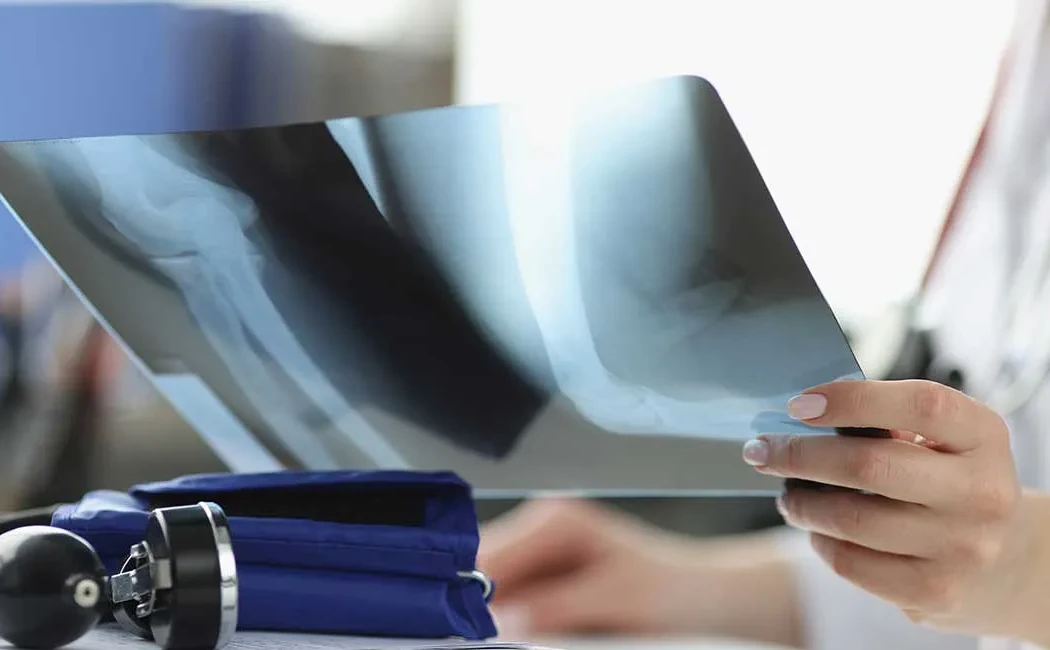
Fracture healing is a complex biological process relying on the body’s natural repair mechanisms; however, in some cases, this process may stall. Nonunion surgery encompasses advanced therapeutic interventions applied when a fractured bone fails to heal within the anticipated timeframe due to biological or mechanical causes (pseudoarthrosis). Cases where standard fracture treatments are inadequate or have failed represent some of the most challenging areas in orthopedics demanding specialist expertise.
These surgical procedures aim not only to achieve bone union but also to restore limb function and enhance the patient’s quality of life. Treatment planning must be individualized, considering patient age, fracture type, presence of infection, and previous surgical history.
What Is Nonunion? Definition and Clinical Significance
Medically referred to as “nonunion” or “pseudoarthrosis,” nonunion describes a condition where the fracture healing process ceases and the bone ends do not unite. Typically, this diagnosis is made when there is no radiologic evidence of healing 6 to 9 months after injury or surgery. Nonunion can lead to chronic pain, restricted mobility, and deformity in the affected limb.
The clinical relevance of nonunion extends beyond a simple fracture, as it can significantly impair daily activities and work capacity over the long term. Early diagnosis and appropriate treatment are key to preventing permanent disability.
Types of Nonunion: Differences Between Hypertrophic and Atrophic
Nonunion fractures are broadly classified based on the biological response at the fracture ends into hypertrophic and atrophic types. This classification is crucial in selecting surgical strategy. Hypertrophic nonunion occurs where there is good blood supply but insufficient mechanical stability, often visible as a "horse hoof" appearance on X-rays. In contrast, atrophic nonunion reflects poor vascularization and biological inactivity of the fracture edges.
Additionally, septic nonunions, associated with infection, complicate treatment further. Correct classification guides whether biological stimulation or mechanical stabilization takes priority.
When Is Nonunion Surgery Indicated?
Surgical intervention is considered by evaluating radiologic findings alongside clinical symptoms. Surgery becomes necessary if conservative treatments (casting, immobilization, ultrasound bone stimulators) fail, implants loosen, or significant gaps exist between bone ends. If deformities or limb length discrepancies require lower extremity deformity surgery, surgical planning needs additional complexity.
Moreover, nonunion in weight-bearing bones demands urgent solutions. For instance, femoral nonunion surgery requires specialized implants and techniques due to its direct impact on ambulation. Persistent pain and progressive joint stiffness are clinical signs indicating the need for surgery.
Surgical Methods: Grafting, Fixation, and Biological Support
Treatment techniques for nonunion depend on the underlying problem. The main principle involves revitalizing bone ends, filling defects, and ensuring solid fixation. The approach is tailored per nonunion treatment details.
Mechanical Stabilization (Fixation)
Immobilization of fracture edges is essential for bone healing. Plates and screws, intramedullary nails, or external fixators such as the Ilizarov method are commonly used. When selecting implants in nonunion surgery, factors like fracture location and bone quality guide the choice.
Biological Support and Grafting
Mechanical stability alone may not suffice; stimulating biological healing is equally important. This requires combining biological and mechanical approaches. Bone grafts—autografts and allografts—are among the most effective strategies to accelerate union. Additionally, biological treatments and nonunion now include stem cell therapy and growth factors.
Revision Surgery: New Strategies for Failed Treatments
Cases that have previously undergone surgery without achieving union fall under “revision surgery.” These may require removal of previous implants, debridement of infected or non-viable tissue, and re-preparation of bone ends. Malunion revision surgeries are technically more demanding than initial procedures.
Successful revision depends on correctly identifying reasons for failure such as infection, mechanical instability, or metabolic issues. Among the success factors in nonunion surgery, surgeon experience and quality of technology are prominent.
Rehabilitation and Recovery Process
Surgery constitutes only part of treatment; effective rehabilitation is equally crucial. During recovery, maintenance of muscle strength, joint mobility, and gradual weight-bearing protocols are essential. Physical therapy supports bone healing through mechanical stimulation.
Patients are advised to avoid smoking, maintain balanced nutrition, and control systemic conditions such as diabetes to improve healing outcomes.
Risks, Complications, and Realistic Expectations
As with any surgery, nonunion surgery involves risks including infection, nerve or vessel injury, implant loosening, or rare recurrence of nonunion. Realistic patient expectations and thorough counseling regarding possible complications are important prior to treatment. Although modern surgical methods and multidisciplinary care increase success rates, outcomes vary by individual case and factors.
References and Information Notice
This content is based on current orthopedic literature and international treatment guidelines. Relevant scientific data can be accessed at:
- PubMed (National Library of Medicine)
- OrthoInfo (American Academy of Orthopaedic Surgeons)
- Mayo Clinic Orthopedics
- National Institutes of Health (NIH)
This content is intended for general informational purposes only and does not constitute medical advice. It is not a substitute for professional diagnosis, treatment, or guidance. Diagnosis and treatment should be determined exclusively through face-to-face consultation with a qualified healthcare provider. Since each patient's clinical condition is unique, surgical or non-surgical approaches may vary accordingly. The information provided is based on current scientific research and medical standards. Do not delay seeking necessary medical care based on this content. Always consult a licensed medical professional for personalized advice.