
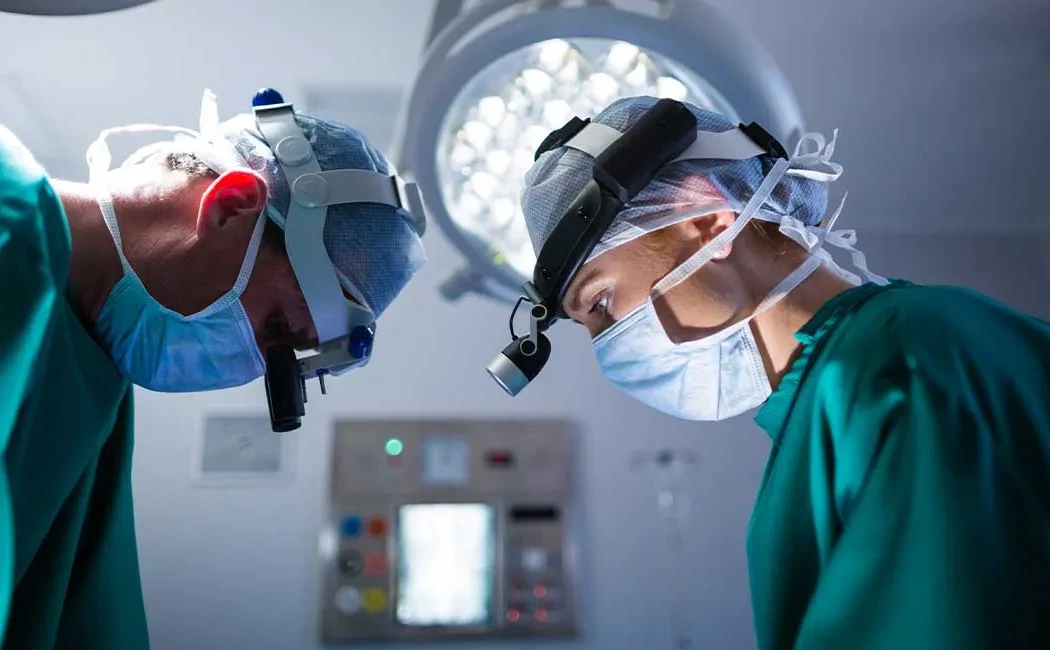
Limb lengthening surgeries are complex surgical methods applied to increase bone length or correct orthopedic deformities. The primary goals of these procedures include both functional and cosmetic improvements. Historically, these operations involved mechanical external fixators, particularly the Ilizarov technique, which entailed long, challenging, and often complication-prone processes. However, with recent technological advances, these procedures have become more controlled, comfortable, and safer.
The new technologies used in limb lengthening surgery provide ease of operation for the surgical team and increase comfort and effectiveness for the patient. Among these innovations, electronically controlled devices, digital three-dimensional (3D) surgical planning and navigation systems, minimally invasive techniques, and novel methods supported by biomaterials stand out.
Electronically Controlled Lengthening Devices
One of the most notable innovations in recent years is the development of electronically controlled lengthening devices. These implants are rod-shaped devices placed inside the bone that allow controlled separation of the bones at the desired rate. Operating with electronic motors or magnetic systems, these devices can be controlled remotely, enabling patients to manage their lengthening process more comfortably and precisely. As a result, risks commonly associated with traditional external fixators, such as infections and restricted movement, are significantly reduced.
3D Surgical Planning and Navigation Systems
Computer-assisted planning has gained significant importance in many surgical fields today. In limb lengthening surgery, 3D imaging techniques allow detailed assessment of the patient's bone structure. The number, angle, and extent of deformities and lengthening requirements can be calculated with millimetric accuracy. This enables the pre-operative determination of the most appropriate osteotomy (bone cut) site, facilitating more precise cuts. Additionally, navigation systems provide real-time 3D guidance during surgery, preventing incorrect cuts and mispositioning.
Minimally Invasive Techniques
Traditional limb lengthening surgeries required extensive bone cuts and placement of external fixators, leading to prolonged interventions. With advancing surgical techniques, more minimally invasive approaches are now preferred. These approaches use smaller incisions and reduce tissue trauma, accelerating the healing process and minimizing complications like infection. They also reduce postoperative pain and encourage early mobilization for patients.
Biomaterials and Tissue Engineering
The usage of biomaterials for filling the bone gaps formed after lengthening is increasingly common. Bioceramics with osteointegration properties reduce the need for bone grafts and support bone healing. Moreover, tissue engineering research, including stem cell-supported applications, contributes to accelerating bone regeneration and forming stronger bone tissue.
Robotic-Assisted Surgery
Robotic technologies are increasingly being utilized in the complex stages of limb lengthening surgeries. Robotic systems enhance the precision of the surgeon’s movements, allowing intervention on the correct bone even at very small angles. This reduces the risk of complications and increases surgical success. Although robotic-assisted surgeries are not yet widespread, they are expected to become standard practice in the future.
These new technologies used in limb lengthening surgeries improve patients’ quality of life and reduce complications to a minimum. Electronic lengthening devices and 3D surgical planning techniques particularly facilitate the surgeon's work while enhancing patient comfort. Furthermore, advances in biomaterials and robotic-assisted applications contribute to achieving more successful results during lengthening processes. Supported by advanced technology and scientific research, these methods will make limb lengthening surgery a safer and more effective field in the future.