
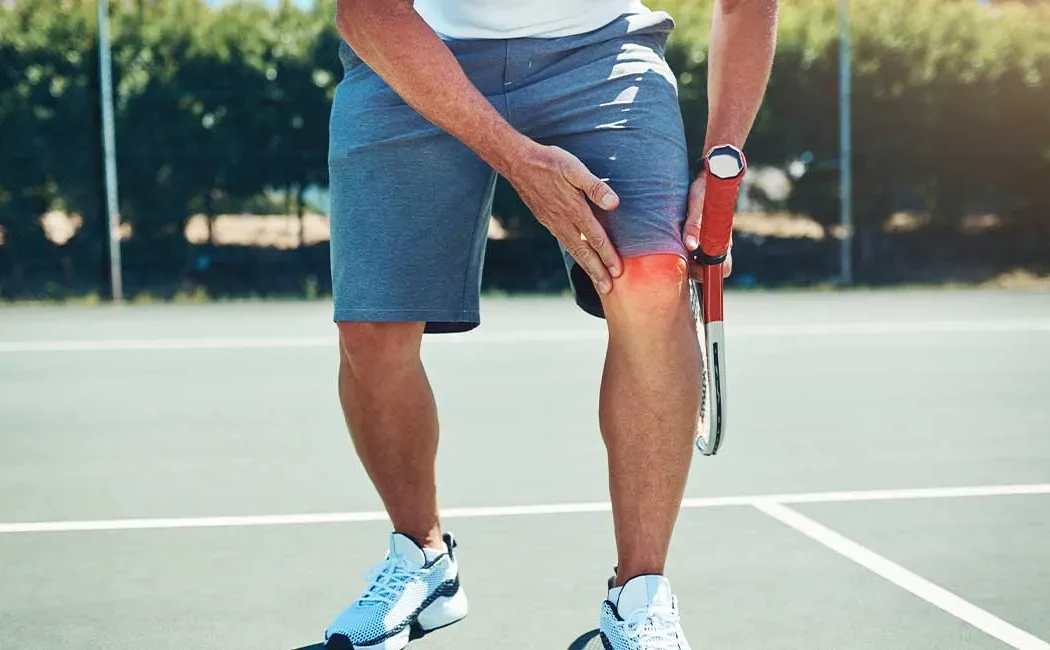
Meniscus tears are among the most common knee injuries in athletes. Especially in contact sports and disciplines with sudden movements, the risk of damage to the meniscal tissue is high. The meniscus is a cartilage structure located on the inner and outer sides of the knee joint, acting as a shock absorber between the bones. This structure provides joint congruity, optimizes load distribution, and contributes to knee stability. Untreated or inadequately treated meniscus tears can lead to persistent pain, restricted movement, and early osteoarthritis due to cartilage damage in the knee.
Diagnosing meniscus tears requires a combination of clinical evaluation and imaging techniques. Athletes experiencing knee pain, locking, swelling, and functional loss should undergo a thorough physical examination. Magnetic resonance imaging (MRI) is the gold standard for detailed assessment of the meniscus structure, enabling determination of the tear type, location, and severity. This information is critical for creating an effective treatment plan.
Treatment options depend on the type of meniscus tear, patient age, activity level, and associated knee injuries. Essentially, there are two main treatment approaches: non-surgical conservative treatment and surgery (arthroscopic surgery).
Non-surgical treatment is preferred for small, stable tears located in well-vascularized regions. The goal is to protect knee function through rest, ice application, anti-inflammatory medications, temporary reduction of load on the knee, and physical therapy. Physical therapy programs focus on strengthening muscles, stabilizing the knee, and proprioceptive training. Success rates vary based on tear type but functional recovery can be achieved without surgery in appropriate cases.
Surgical treatment is recommended for large, unstable, complex tears or those in poorly vascularized areas. Arthroscopic meniscus surgery has become the gold standard in recent years. The objective of the surgery is to preserve as much meniscal tissue as possible. Depending on the tear type, repair (meniscus suturing) or selective removal of the torn tissue (partial meniscectomy) may be performed. Meniscus repair is particularly preferred in young and active athletes when the tear is in a well-vascularized region with healing potential. Postoperative recovery should be carefully managed with physical therapy and rehabilitation to restore knee range of motion, muscle strength, and function.
Other factors considered in treatment selection include the patient’s overall health, previous knee injuries, concurrent ligament damage, and surgical risks. Surgery should be considered when non-surgical treatment fails or when persistent pain and functional loss occur. When meniscus tears are fully and correctly treated, athletes can return to high-level performance confidently.
Recently, orthopedic surgeons specializing in cosmetic lengthening and limb reconstruction procedures have emphasized the importance of minimally invasive techniques in sports injuries. Non-surgical treatment combined with early rehabilitation programs accelerates the return-to-sport process, while arthroscopic surgeries contribute to preserving knee function and preventing long-term complications.