Meniscus injuries are common orthopedic issues affecting knee function. Meniscus repair and meniscus transplantation are two key surgical methods used for their treatment. This article provides a detailed examination of the indications, advantages, and appropriate circumstances for each technique.
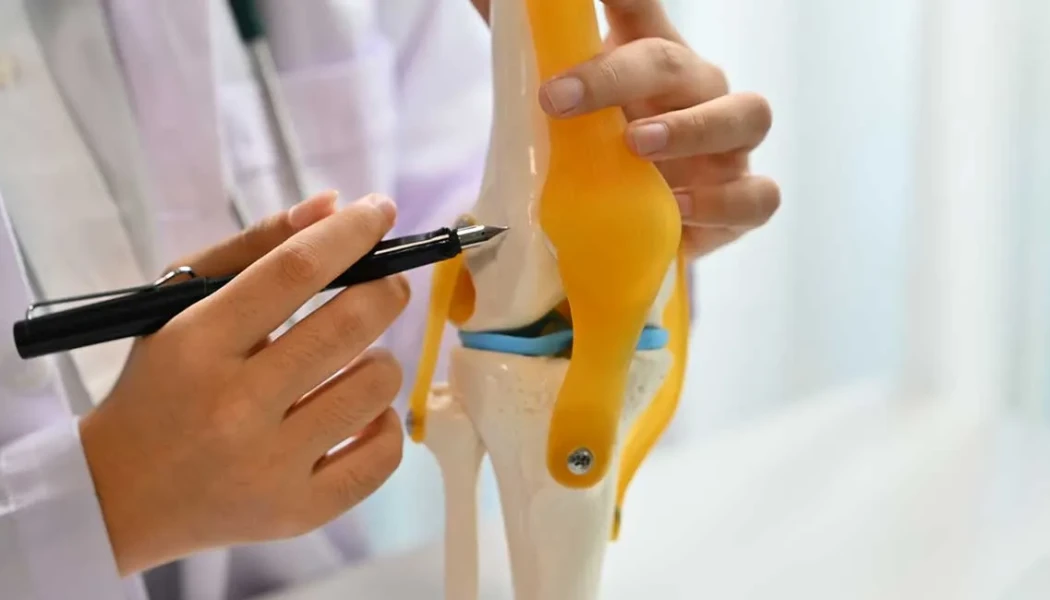
The meniscus consists of C-shaped cartilage structures within the knee joint that play a crucial role in load distribution and joint stability. Meniscus tears commonly occur due to sports injuries or repetitive strain on the knee. Treatment options include meniscus repair and meniscus transplantation, each selected based on factors such as patient condition, type, and severity of the meniscal damage.
What is Meniscus Repair?
Meniscus repair is a surgical procedure where the torn meniscal tissue is sutured to restore its continuity. The goal is to preserve the natural meniscal structure and maintain its function. This procedure is generally preferred in young and active patients, especially when the tear is located in the vascularized peripheral zone of the meniscus (red-red zone) or areas with partial blood supply. The type of tear (longitudinal, vertical, or simple non-complex tears) heavily influences repair suitability.
Advantages of Meniscus Repair:
Preserving the native meniscal tissue is essential to prevent cartilage wear and the development of osteoarthritis. Successful meniscus repair supports long-term knee joint function and facilitates a faster return to sports activities. Additionally, by preventing meniscal tissue loss, the need for further surgery in the future is reduced.
When is Meniscus Repair Preferred?
Meniscus repair is preferred when the tear is located at the peripheral edge, the patient is young and active, the tear morphology is amenable to repair, and there is no significant accompanying cartilage damage. Early intervention is critical for repair success since tissue regeneration in the tear area diminishes over time.
What is Meniscus Transplantation?
Meniscus transplantation involves implanting donor or artificial meniscal tissue into the knee in cases of significant meniscal tissue loss. This surgery is performed for patients experiencing pain, instability, and early osteoarthritis due to severe meniscal deficiency. Meniscus transplantation offers a solution to maintain knee function after complete removal of the damaged meniscus.
Advantages of Meniscus Transplantation:
Restoring the lost meniscal tissue improves load distribution within the knee and slows cartilage damage progression. This procedure is especially beneficial for older patients who have lost meniscal integrity, reducing pain and improving function. The surgery aims to prevent progressive knee osteoarthritis.
When is Meniscus Transplantation Preferred?
Candidates for meniscus transplantation include young and active patients with chronic knee complaints resulting from extensive meniscal loss or removal. It is chosen when cartilage damage is controlled and reconstruction of the meniscus is necessary. However, it is not recommended for elderly patients or those with advanced osteoarthritis.
Which Treatment is Suitable in Which Scenario?
Treatment planning should consider the patient’s age, tear type, condition of other knee joint structures, and activity level. Meniscus repair is recommended whenever feasible because it preserves meniscal function. If the tear is large, degenerative, or irreparable, meniscal tissue may be removed. In cases of substantial meniscus loss, especially in younger patients, meniscus transplantation may be considered. Postoperative rehabilitation is vital for successful outcomes with either procedure.
Recent Advances in Meniscus Repair and Transplantation
Advancements in surgical techniques, arthroscopic methods, and biomaterials have improved the success rates of meniscus repair. In meniscus transplantation, ongoing research focuses on tissue compatibility and long-term durability of the transplanted meniscus. Innovative methods are being developed to accelerate patient recovery and reduce postoperative complications.
Preserving meniscus health and selecting an appropriate treatment are critically important for maintaining long-term knee function and enhancing quality of life. Orthopedic surgeons must comprehensively evaluate patients to determine the most effective and suitable treatment strategy.
Frequently Asked Questions
Recovery after meniscus repair usually takes between 3 to 6 months. During this period, heavy loading on the knee should be avoided, and the rehabilitation program prescribed by the doctor should be strictly followed.
Return to normal activities after meniscus transplantation typically occurs between 6 to 12 months. Protecting the knee post-surgery, starting with low-impact exercises, and gradually returning to sports are essential.
No. Some small and stable meniscus tears can heal with conservative treatment methods. However, if the tear is large, painful, or causes knee locking, surgical intervention may be necessary.
In repair, the torn meniscus tissue is sutured to preserve it, whereas in removal, the damaged meniscus section is excised. Repair is generally more advantageous for preserving knee health.
Meniscus transplantation is not suitable for patients with advanced knee osteoarthritis, elderly individuals, or those with joint instability. Alternative surgical methods should be considered in these cases.
This article is for general information only and does not replace a medical examination, diagnosis or treatment. Treatment options and outcomes vary from person to person.
Related treatment area Sports Surgery: Treating Knee, Shoulder and Ankle Injuries