
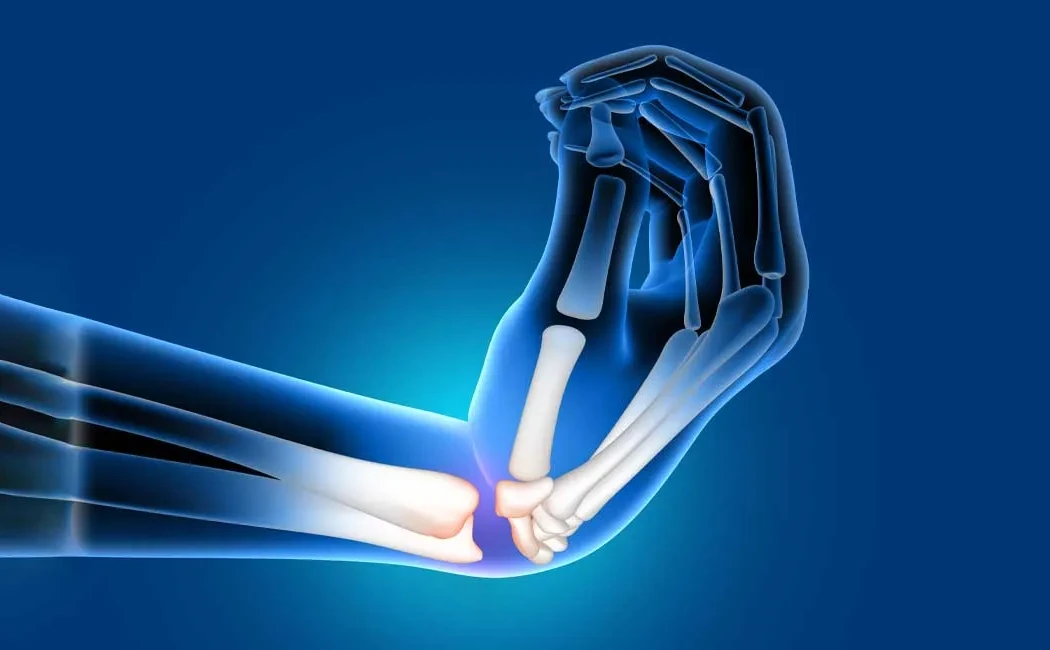
The fracture healing process involves a complex interaction of biological and mechanical factors. However, in some cases, this process does not progress as intended, resulting in the bone healing in an anatomically incorrect position. Known as "malunion" in medical literature, this condition can cause significant functional loss and pain that severely affect patients’ quality of life. Malunion surgery is a reconstructive treatment aimed at correcting such deformities, addressing limb length discrepancies, and preserving joint health. This type of surgery, especially in patients with prior unsuccessful treatments, requires precise planning and expert management to help restore mobility effectively.
What is Malunion?
Malunion is defined as a fracture that has healed but with deviation from the bone’s original anatomical alignment. This may manifest as angulation, rotation, or shortening of the bone. Patients often notice visible deformity or experience functional impairment and chronic pain in the affected limb. For comprehensive resources, refer to our page on malunion surgery information.
Accurate identification of the deformity type is critical for determining the treatment strategy. The process includes clinical assessment supported by radiological imaging, as detailed in malunion treatment and evaluation.
Causes of Malunion
Several factors contribute to the development of malunion. Common causes include inadequate alignment of fracture fragments (poor reduction), insufficient stability during healing, or premature weight bearing on the fracture site. Infection and poor bone quality also increase risk.
Difference Between Malunion and Nonunion
Malunion and nonunion (failure to heal) are often confused but represent distinct complications. In malunion, bone healing has occurred but in an incorrect position. In nonunion, biological healing has not taken place and the fracture site remains unstable. Both conditions may require surgery but the techniques differ accordingly.
Who is Suitable for Malunion Surgery?
Malunion surgery is considered when the deformity restricts the patient’s daily activities, disrupts joint mechanics leading to early osteoarthritis, or causes significant cosmetic concerns. Particularly, rotational deformities and intra-articular malunions often require surgical correction.
Treatment decisions factor in age, activity level, bone quality, and severity of the deformity.
Techniques Used in Malunion Surgery
The primary goal of malunion surgery is to realign the bone anatomically and ensure stable healing. Treatment plans are individualized based on the deformity’s location and type. In some cases, combined approaches with nonunion surgery principles may be necessary, as described in nonunion surgical treatment.
For complex cases, especially involving the lower extremity, expertise in deformity surgery and revision operations is essential for success. Similarly, upper extremity deformities are addressed using specialized upper extremity deformity correction techniques.
Osteotomy and Realignment
Osteotomy involves controlled bone cutting to break the malunited bone and realign it correctly. During this procedure, lengthening, angle correction, or rotational deformity adjustment is possible. Surgical planning requires millimeter-level precision and often utilizes computer-assisted analysis.
Fixation Techniques: Internal and External
After osteotomy, the bone must be stabilized to maintain its new position. This can be achieved using plate and screw systems, intramedullary nails (internal fixation), or external circular fixators such as the Ilizarov apparatus (external fixation). The choice depends on deformity complexity and patient factors.
Revision Surgery: Correcting Previous Procedures
Cases with prior unsuccessful surgeries fall under revision surgery. These require implant removal, infection control if present, and reassessment of bone stock. Revision surgeries for malunion demand more advanced technical skill than primary operations. Surgeon experience is critical to minimizing complications during this challenging process.
Postoperative Recovery in Malunion Surgery
The postoperative phase directly influences surgical outcomes. Controlled weight bearing and physiotherapy are essential until bone healing is complete. The malunion surgery recovery period varies between 3 to 12 months based on patient biology and surgical method. Factors such as smoking negatively impact healing, so lifestyle modifications are advised during recovery.
Risks, Complications, and Realistic Outcomes
As with any surgery, malunion correction carries risks including infection, nerve injury, implant failure, or delayed union. Understanding nonunion and surgical approaches enhances preparedness for potential complications. Patients should set realistic expectations: the goal is a pain-free, functional limb, but achieving a “perfect” anatomical alignment may not always be possible.
Malunion Treatment in Pediatric Cases
Malunion in children requires a distinct approach due to growth plates. Deformities in growing bones can worsen or, in some cases, improve spontaneously (remodeling). Therefore, pediatric patients should be managed by specialists in pediatric lower extremity deformities. When surgery is needed, techniques that preserve growth plates are prioritized.
All information provided is for general informational purposes only and does not constitute medical advice. The content is not intended to replace individual diagnosis, treatment, or professional guidance. Diagnosis and treatment should only be planned after an in-person consultation with a qualified healthcare provider. Since each patient's clinical condition is unique, surgical or non-surgical methods may vary accordingly. The information is based on current scientific resources and up-to-date medical practices.