
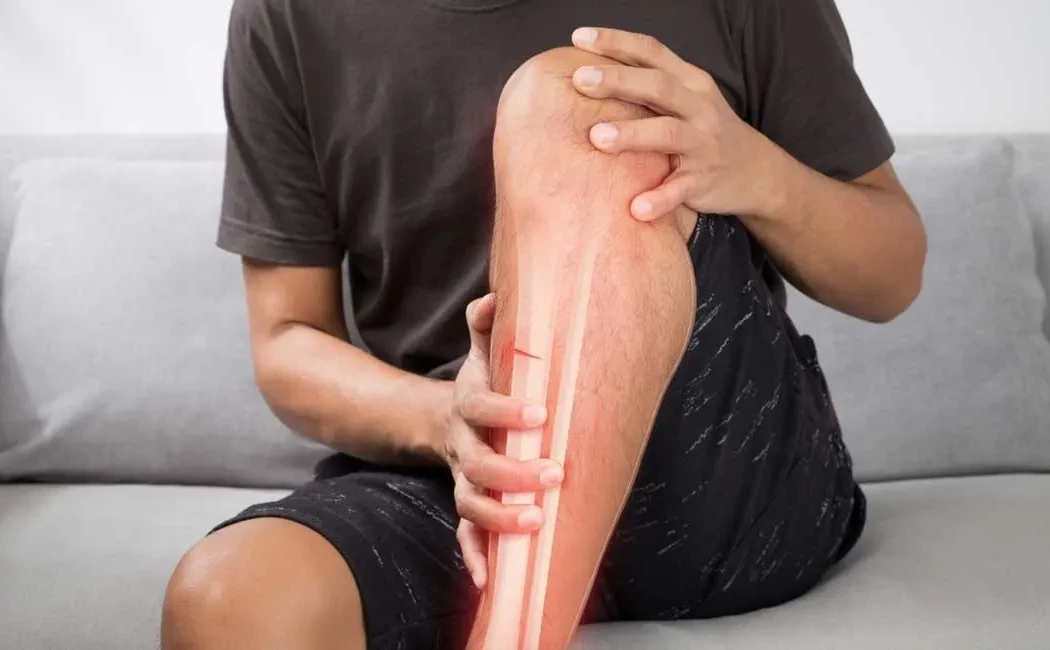
Non-union fractures present a common and significant challenge in the field of orthopedics and traumatology. When the fracture line does not heal within the expected timeframe or fails to heal at all, serious functional limitations can occur for the patient. Therefore, correctly identifying non-union fractures, understanding their causes, and especially applying the most current treatment methods are critical.
The term "non-union fracture" generally refers to cases where bone healing has not occurred within 6 to 9 months, confirmed radiologically by the absence of bone union. Primary causes of non-union fractures include inadequate stabilization, poor blood circulation, infection, smoking, systemic diseases, and nutritional deficiencies. Identifying and addressing these factors increases the likelihood of successful treatment.
In recent years, various innovative treatment methods have emerged for non-union fractures. These approaches can be divided into surgical and non-surgical categories.
Surgical Treatment Approaches
Surgical intervention is often the preferred method to treat non-union fractures. The objectives include re-stabilizing the fracture line, removing necrotic tissue, and promoting bone regeneration. Current advanced surgical techniques include:
1. Ilizarov Method and Limb Reconstruction
The Ilizarov apparatus is a specialized external fixation system that provides micromovement at the fracture site. This technique not only stabilizes the bone but also stimulates bone biology to enhance healing. For long-standing non-union fractures, it is also favored for correcting deformities and performing lengthening procedures. The Ilizarov method shows positive outcomes in infected and poorly healing fractures.
2. Minimally Invasive Surgery and Biological Supports
With minimally invasive techniques, surgeons can directly target the fracture site more precisely than before. Bone grafting, particularly autologous bone marrow aspiration combined with stem cell-supported grafts, has shown effective results in accelerating union. Furthermore, biological agents such as Bone Morphogenetic Proteins (BMPs) promote bone healing. These agents are locally applied during surgery to support regeneration.
3. Plate and Implant Utilization
Modern titanium plates and screw systems are commonly used for surgical stabilization of non-union fractures. Plates apply adequate compression at the fracture site to increase mechanical stability and facilitate bone union. In resistant non-unions, combined surgical methods often provide enhanced support for healing.
Non-Surgical Treatment Approaches
Some modern therapies serve either as alternatives to surgery or as supportive treatments after surgical intervention:
1. Low-Intensity Pulsed Ultrasound (LIPUS)
This FDA-approved technique uses low-intensity pulsed ultrasound to accelerate fracture healing. Applied daily for short durations, LIPUS increases mitotic activity in bone cells, thereby supporting union.
2. Electromagnetic Field Therapy
Pulsed Electromagnetic Fields (PEMF) therapy has found use in early bone healing by stimulating metabolism and regenerative activities in bone cells.
3. Physical Therapy and Rehabilitation Protocols
Proper rehabilitation programs aid in removing movement limitations and restore the functional balance of the musculoskeletal system. Regular monitoring and professional rehabilitation are critical for treatment success.
Successful treatment of non-union fractures depends on selecting the appropriate method, adopting a multidisciplinary approach, and tailoring plans to each patient. Advances in orthopedic surgery have enhanced both the precision of surgical techniques and the use of biological supports, significantly improving healing rates. The combined use of the Ilizarov method and new biological agents offers promising results for complex cases. Throughout the treatment process, infection control and systemic health monitoring remain essential. These modern approaches supported by advanced technology improve patients' quality of life and functional recovery.