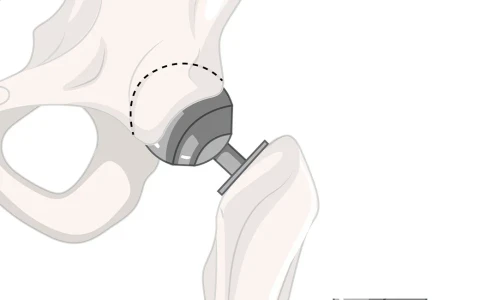
Appropriate rehabilitation following hip impingement syndrome surgery is crucial to enhance the patient's quality of life, reduce pain, and restore functional mobility. This article scientifically explains post-operative rehabilitation processes, exercise programs, and important considerations.

Hip impingement syndrome (femoroacetabular impingement - FAI) is characterized by abnormal bony structures in the hip joint that restrict joint movement, causing pain and functional loss. This condition commonly affects young, active individuals and may require surgical intervention for treatment. Rehabilitation after surgery is vital for successful healing and the patient's functional return.
Hip impingement surgery is generally performed arthroscopically with the goal of correcting bony irregularities and treating labral damage. The post-operative period depends not only on surgical success but also significantly on the quality of rehabilitation. Rehabilitation programs should be personalized according to the surgeon's approval, the patient's overall health, and the extent of the surgery.
Early Rehabilitation Phase (0-6 Weeks)
During the first six weeks, the primary goals are to reduce pain, support surgical site healing, and gradually increase joint range of motion. Rest is emphasized in the initial days, and movement is limited. Use of crutches may be necessary during walking.
Physiotherapy includes gentle stretching exercises and both passive and active range-of-motion exercises. Controlled increases in hip flexion, extension, abduction, and adduction are pursued. Non-invasive exercises are also applied to maintain and strengthen muscle strength. If pain increases, exercise intensity should be reduced and rest prioritized.
Intermediate Rehabilitation Phase (6-12 Weeks)
After the sixth week, joint mobility typically reaches advanced levels. More active muscle strengthening and balance exercises are introduced. Strengthening muscles around the hip, especially the gluteus medius and minimus, is important, as these muscles play a critical role in hip stability.
Walking and light jogging exercises can be started in a controlled manner during this period. Rehabilitation intensity is increased according to the patient's pain and joint mobility. Patients are also educated on precautions during daily activities, such as avoiding strenuous tasks and sudden twisting movements.
Late Rehabilitation Phase (3-6 Months and Beyond)
From the third month onward, the focus shifts to functional goals. Returning to sports activities or readapting to work is planned within this phase. The core of the program consists of exercises to improve strength and endurance. Complex hip movements involving rotation, squatting, and jumping are practiced safely.
The patient's posture and gait dynamics are evaluated and corrective exercises are provided if necessary. Special performance programs are developed for athletes. The objective during this phase is for the patient to regain full functional use.
Key Considerations in Post-Operative Rehabilitation
Managing pain and swelling is essential during rehabilitation. Cold applications, medication, and manual therapy techniques may be utilized. Hygiene and wound care must not be neglected to prevent infection.
Patient education is equally important. Patients should understand that pain is a normal sign of recovery, avoid excessive strain, and regularly perform prescribed exercises to ensure success. Additionally, attention to physical activities and hip mechanics helps prevent long-term problems.
In summary, post-surgical rehabilitation for hip impingement syndrome requires a multidisciplinary approach and individualized programs. This approach is necessary to preserve hip functions, reduce pain, and improve quality of life.
Frequently Asked Questions
Walking can generally be started within the first few days after surgery with crutch support. Full weight bearing and independent walking typically occur within 4-6 weeks under the guidance of the surgeon and physiotherapist.
Pain and swelling are controlled with cold applications, prescribed painkillers, and rest. Manual therapy and lymphatic drainage techniques may be performed by the physiotherapist if needed.
Priority is given to exercises that increase passive and active range of motion, strengthen the muscles around the hip, and support balance. Muscle strengthening and progression of functional movements are done gradually.
Returning to sports activities is usually planned between 3-6 months post-surgery, depending on the patient's functional status and joint mobility under physiotherapist and surgeon supervision.
You should consult your doctor if you experience excessive pain, severe swelling, fever, redness or discharge at the wound site, or restricted movement. These signs may indicate infection or complications.
This article is for general information only and does not replace a medical examination, diagnosis or treatment. Treatment options and outcomes vary from person to person.
Related treatment area Hip Osteoarthritis: Symptoms, Treatment and the Replacement Decision