
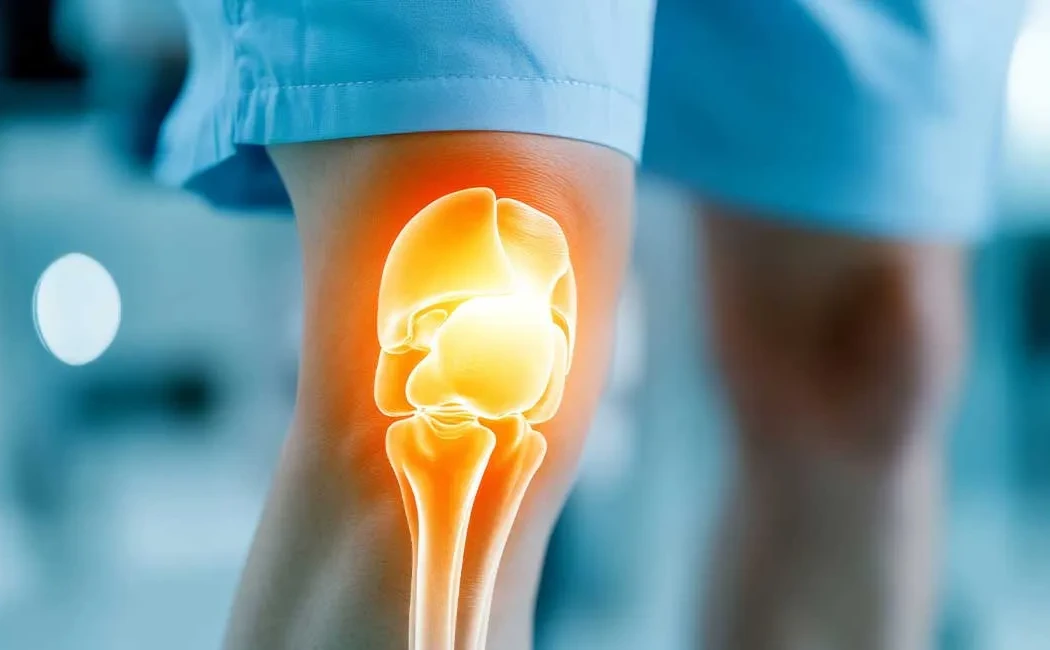
The hip and knee joints are among the body’s most critical weight-bearing structures. Over time, degenerative conditions such as osteoarthritis, rheumatoid arthritis, or traumatic injuries can cause irreversible joint damage. In such cases, hip and knee joint (prosthetic) replacement and reconstruction surgery is a fundamental treatment aimed at improving patients’ quality of life by restoring painless mobility. Advances in surgical techniques and prosthetic technology have significantly enhanced the success rates of these operations and the durability of implants.
The surgical process involves not only replacing the damaged joint but also restoring soft tissue balance and correcting limb alignment. It is essential for patients to understand every detail of the procedure beforehand, manage their expectations realistically, and adhere to the rehabilitation period for optimal outcomes. This article discusses the stages of prosthetic surgery, types of implants used, and postoperative considerations based on current scientific evidence.
Overview of Hip and Knee Joint Replacement Surgery
Joint replacement surgery involves removing the damaged joint surfaces and implanting artificial joints made of durable materials such as metal, ceramic, or polyethylene. The main objective is to eliminate pain and restore joint function.
For more detailed technical information and surgical specifics, please refer to our page on Hip and Knee Replacement and Reconstruction Surgery.
Why is Prosthetic Surgery Needed?
The most common indication for prosthetic surgery is osteoarthritis, commonly known as degenerative joint disease. The wearing down of joint cartilage results in bone surfaces rubbing against each other, causing severe pain and limitation of movement. Other indications include inflammatory joint diseases like rheumatoid arthritis, avascular necrosis (bone tissue death due to impaired blood supply), and post-traumatic joint damage. Surgical intervention is considered when conservative treatments such as medications, physical therapy, or intra-articular injections fail to provide relief.
Who is a Candidate?
Not every patient with joint pain qualifies for prosthetic surgery. Candidates typically include individuals whose daily activities such as walking or climbing stairs are severely restricted, who experience pain at rest, and who have not benefited from non-surgical treatments. The patient’s overall health, bone quality, and ability to comply with postoperative rehabilitation are also critical factors. Ideal candidates are identified through detailed radiological assessments and physical examinations.
Hip Replacement Surgery
The hip joint is a ball-and-socket joint formed by the femoral head and the acetabulum of the pelvis. In hip replacement surgery, these components are replaced with artificial parts. Being well-informed before surgery by reviewing Hip Replacement Surgery Information can help patients better prepare for the operation.
What is Total Hip Replacement?
Total hip replacement involves replacing both the femoral head and the acetabulum. The damaged femoral head is resected and replaced with a prosthetic head attached to a metal stem implanted into the femur. The acetabulum is shaped and fitted with a metal cup lined with polyethylene or ceramic to provide a smooth, pain-free joint surface. For the latest approaches and surgical techniques, see our article on Current Trends in Hip Replacement.
Types of Hip Prostheses
The type of prosthesis used depends on the patient’s age, activity level, and bone quality. Implant components may be combinations of metal-polyethylene, ceramic-ceramic, or ceramic-polyethylene. Based on fixation, prostheses are classified as cemented or cementless.
Surgical Preparation and Procedure
Preparation includes anesthesia evaluation, blood tests, and necessary imaging. Infection risks are minimized by treating any existing dental or urinary infections prior to surgery. The operation typically lasts 1-2 hours. The surgeon chooses the most suitable surgical approach (anterior, posterior, or lateral) tailored to the patient’s anatomy.
Knee Replacement Surgery
Knee replacement surgery involves resurfacing the worn joint surfaces with metal and plastic components. It can be performed as total knee replacement or partial (unicondylar) knee replacement. For alternative treatments aimed at delaying knee replacement, see Joint Preservation Surgery and Delaying Knee Replacement.
When is Knee Replacement Recommended?
Knee replacement is indicated when advanced cartilage damage exists, deformities such as bone angulations have developed, and severe pain disrupts sleep. Difficulties with activities like climbing stairs or rising from a chair are important indicators for surgery.
Types of Knee Prostheses and Selection Criteria
Knee prostheses are categorized based on whether the posterior cruciate ligament is preserved and whether the implant has a fixed or mobile bearing surface. The choice is made by the surgeon according to ligament status and patient expectations.
Surgical Stages
During surgery, damaged bone surfaces are precisely cut, and prosthetic components are fixed either with bone cement or press-fit techniques for stable implantation.
Postoperative Recovery Process
The recovery phase following surgery is critical for the long-term success of the procedure. Patients must strictly follow their physician’s instructions. For postoperative care tips, please consult Hip Replacement Postoperative Care Recommendations.
Initial Days and Hospital Stay
After surgery, patients typically remain hospitalized for 3-4 days. On the first day, in-bed exercises and brief walks are initiated to enhance circulation and prevent blood clots. Pain management may include epidural analgesia or intravenous medications.
Physical Therapy and Rehabilitation
Rehabilitation is essential to increase joint range of motion and strengthen muscles.
Return to Daily Life
Most patients begin walking without support within 4-6 weeks after discharge.
Implant Longevity and Risks
While modern surgical techniques and advanced biomaterials have extended implant lifespan, various factors can influence durability. Other hip joint conditions, such as impingement syndrome, should also be considered in differential diagnosis. More details can be found in Treatment of Hip Joint Impingement Syndrome.
Factors Affecting Implant Longevity
Implant lifespan is closely related to patient weight, activity level, bone quality, and surgical accuracy. Excessive weight and high-impact sports may accelerate wear. Currently, over 90% of implants function well for 15-20 years or longer.
Potential Complications and Risks
As with any surgery, risks include infection, deep vein thrombosis (blood clots), loosening, or dislocation of the prosthesis. Prophylactic antibiotics and anticoagulant therapies are used to minimize these risks. Regular postoperative follow-ups are crucial for early detection of complications.
Editorial Note and Information
This content has been prepared under the supervision of Prof. Dr. Halil Ibrahim Balcı, based on current medical literature and clinical experience. Orthopedic surgery encompasses not only prosthesis implantation but also complex procedures such as limb reconstruction and deformity correction. For related surgical information, you may review our articles on Limb Lengthening Surgery Process and Costs and Limb Lengthening Surgery Outcomes. Our aim is to provide transparent, accurate information enabling patients to actively participate in their treatment.
This content is provided for general informational purposes only and does not constitute professional medical advice, diagnosis, or treatment. Always consult your physician or a qualified healthcare professional with any questions regarding your health. The information presented here may not be applicable to your individual medical condition and should not be used as a basis for treatment planning without a thorough examination by a healthcare provider. Do not delay seeking professional medical care based on the information provided.