
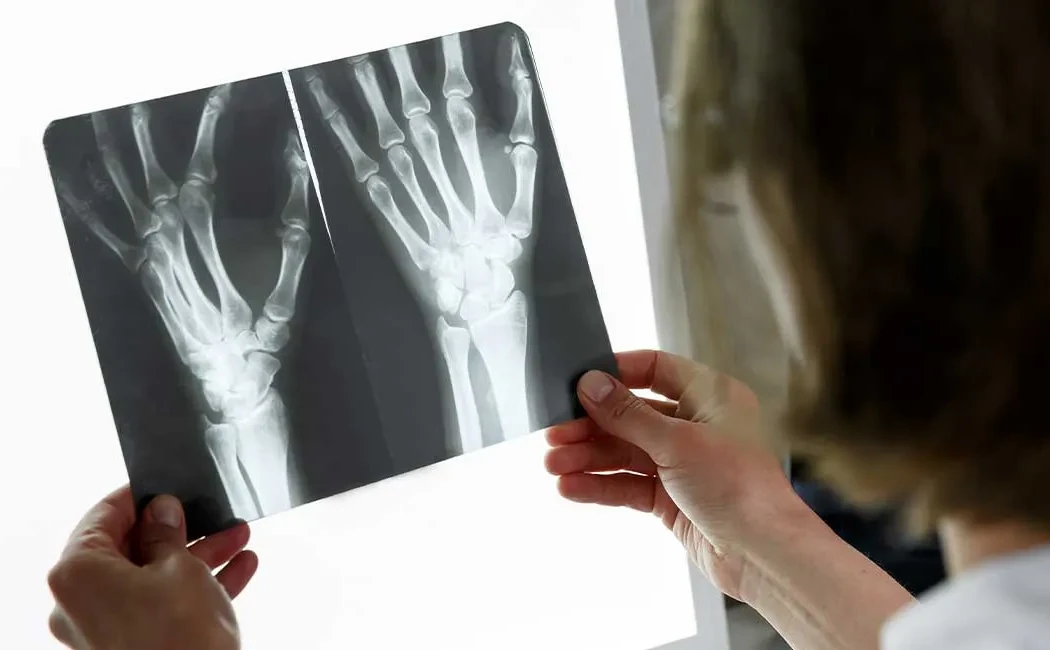
Nonunion, medically referred to as "nonunion," is a condition where a fracture fails to heal within the expected time or does not heal at all. This presents a significant challenge for both patients and surgeons, as prolonged healing can lead to loss of function, pain, and diminished quality of life. Enhancing success in nonunion surgery requires careful consideration of various factors.
Causes and Classification of Nonunion
Nonunion can develop primarily due to two main factors: biomechanical and biological. Mechanical insufficiencies such as inadequate stabilization, presence of infection, poor blood supply, diminished biological activity, excessive soft tissue damage, and systemic factors—like smoking, diabetes, and nutritional deficiencies—increase the risk of nonunion. Clinically, nonunion is classified into oligotrophic or atrophic and hypertrophic types. Oligotrophic and atrophic nonunions reflect decreased biological activity, whereas hypertrophic nonunions typically involve mechanical problems like insufficient stabilization.
Factors Influencing Surgical Success
Accurate Diagnosis and Classification
Successful treatment begins with correct analysis of the nonunion type and underlying causes. This diagnostic step forms the foundation for surgical planning. Radiological assessments (standard X-rays, CT scans) should evaluate the type of nonunion as well as the condition of adjacent bone and soft tissue. Importantly, infection should be ruled out because infected nonunion harbors multiple factors that impede surgical success.
Ensuring Stabilization
One of the most critical elements in surgical treatment of nonunion is achieving complete mechanical stability. Insufficient stabilization allows micro-movements at the fracture site, preventing healing. To address this, appropriate stabilization methods such as plates, intramedullary nails, or external fixators (e.g., Ilizarov apparatus) are selected. The choice depends on the nonunion’s type, location, the patient’s overall condition, and reasons for previous treatment failures.
Supporting Biological Therapy
Providing biological support during surgery with bone grafts or growth factors significantly improves outcomes, especially for atrophic nonunions. Autografts (bone tissue from the patient) are considered the gold standard, as they provide osteoinduction, osteoconduction, and osteogenic cells. Alternatives include allografts or synthetic bone grafts. Recently, biological agents like bone morphogenetic proteins (BMPs) have been incorporated to further enhance healing potential.
Infection Control
When infection is detected, infection management must run parallel to the nonunion treatment plan. Debridement, targeted antibiotic therapy, and stable fixation are critically important. Successful treatment of infected nonunion hinges on completely controlling the infection.
Optimization of Patient Factors
Systemic factors such as smoking, diabetes, nutritional deficiencies, and alcohol use adversely affect bone healing. These factors should be addressed before and after nonunion surgery. Maintaining the patient’s overall health in a stable and optimal state contributes significantly to surgical success.
Experienced Surgical Techniques
Nonunion surgery is complex and technically demanding. A surgeon’s experience, meticulous surgical planning, and careful technique increase success rates. Proper osteotomy, graft placement, and stabilization must be performed with precision.
Planning Physical Rehabilitation
Early controlled movement post-surgery supports the healing process. Physiotherapy programs are essential for reducing functional loss and maintaining musculoskeletal health. However, to avoid compromising stability, the timing, duration, and intensity of rehabilitation must be carefully regulated by the surgeon.
Use of Innovative Methods
In recent years, innovative approaches such as cellular therapies, biomaterials, gene therapy, and laser applications are being explored in nonunion treatment. Adding these cutting-edge techniques to standard treatments may enhance surgical success in the future.
In summary, successful nonunion surgery requires a multidimensional approach to optimize mechanical, biological, and systemic factors. Considering the unique reasons for nonunion in each patient and tailoring individualized treatment plans will improve success rates significantly.